Tai Chi is bringing a slower, more mindful rhythm to the way Indians move
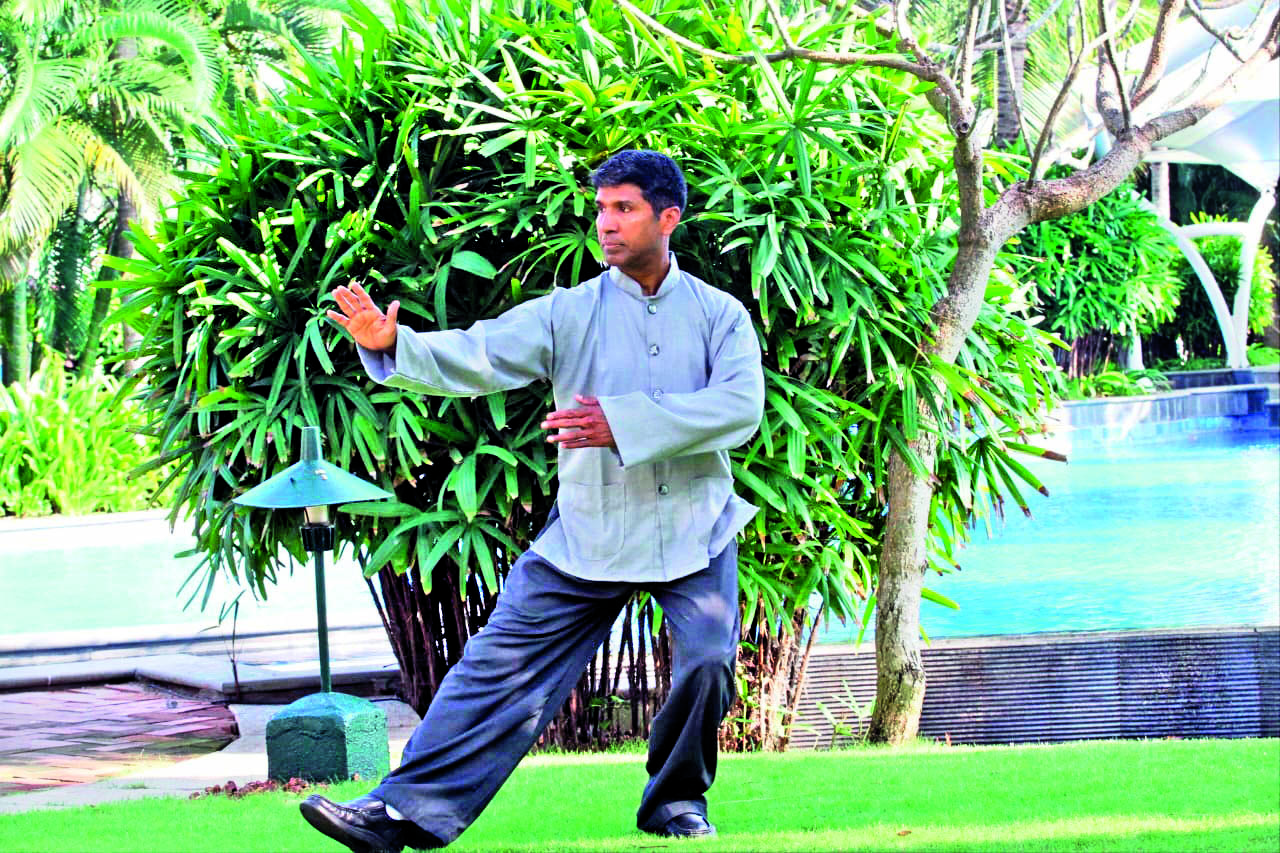
In a culture obsessed with steps, speed and fitness trackers, a different kind of walking is quietly gaining ground. Tai Chi, slow, deliberate and almost meditative, is attracting people looking for movement without the pounding pace of conventional workouts.
Often described online as “Tai Chi walking”, the practice combines controlled movement, weight shifting, breathing, balance and mindfulness. But Master Sifu George Thomas, who has taught Tai Chi in India for more than three decades, says the term itself is relatively new.
“Tai Chi walking is a new-age fancy word or gimmick used to attract people into classes,” he says. “Traditional Tai Chi teachers are happy with word-of-mouth promotion.” Thomas learnt Yang Family Tai Chi from fifth-generation Grandmaster Fu Sheng Yuan and has nearly 50 years of experience in martial arts.
He says he introduced Tai Chi to India about 33 years ago and has taught more than 50,000 people over the years. From Chennai and Bengaluru to Hyderabad, Pune and Mumbai, Tai Chi has had a presence in India for decades. What is changing is how people are discovering it — through wellness communities, social media and growing interest in gentler forms of exercise.
Meditation in motion
So what makes Tai Chi different from simply walking slowly? According to Thomas, it is the combination of movement, breathing and meditation. “Yang Family Tai Chi is meditation in motion,” he says, describing the movements as slow and evenly paced, “like a gentle flowing river.”
Unlike conventional walking, where the focus may be on distance, speed or calorie expenditure, Tai Chi draws attention to how the body moves, how weight shifts from one leg to another, how breathing flows and how balance is maintained. Thomas describes it as an internal art, drawing parallels with Hatha Yoga, Pranayama and Rajyoga.The emphasis is less on pushing the body and more on becoming aware of it.
Slow does not mean easy
The deliberate pace can be deceptive. Maintaining controlled movement while shifting weight and coordinating breathing requires concentration and body awareness. And unlike many exercise routines, there is no particular fitness level required to begin. “It is so simple that anyone who can walk can do Tai Chi, irrespective of age or gender,” says Thomas. His Indian classes, he adds, attract working adults between 25 and 60, while his classes in Canada have a larger number of participants over 60.
30 mins of stillness in motion
Thomas recommends around half an hour of daily practice.
Learning curve: The basics generally take two to three months to learn.
Beyond fitness: Regular practice, he says, can encourage calm, balance and body awareness.
The real challenge: Consistency — and making time for oneself — can be harder than the movements.
Less numbers, more awareness: Tai Chi shifts the focus from steps, speed and calories to attention, breathing and movement.
The takeaway: Slow down, breathe deliberately and focus on the movement rather than the destination.
“Tai Chi walking is a new-age fancy word or gimmick used to attract people into classes,” he says. “Traditional Tai Chi teachers are happy with word-of-mouth promotion.”
— Master Sifu George Thomas