A drenched T-shirt may look like a workout well done, but sweat isn’t always the measure of wellness and good health
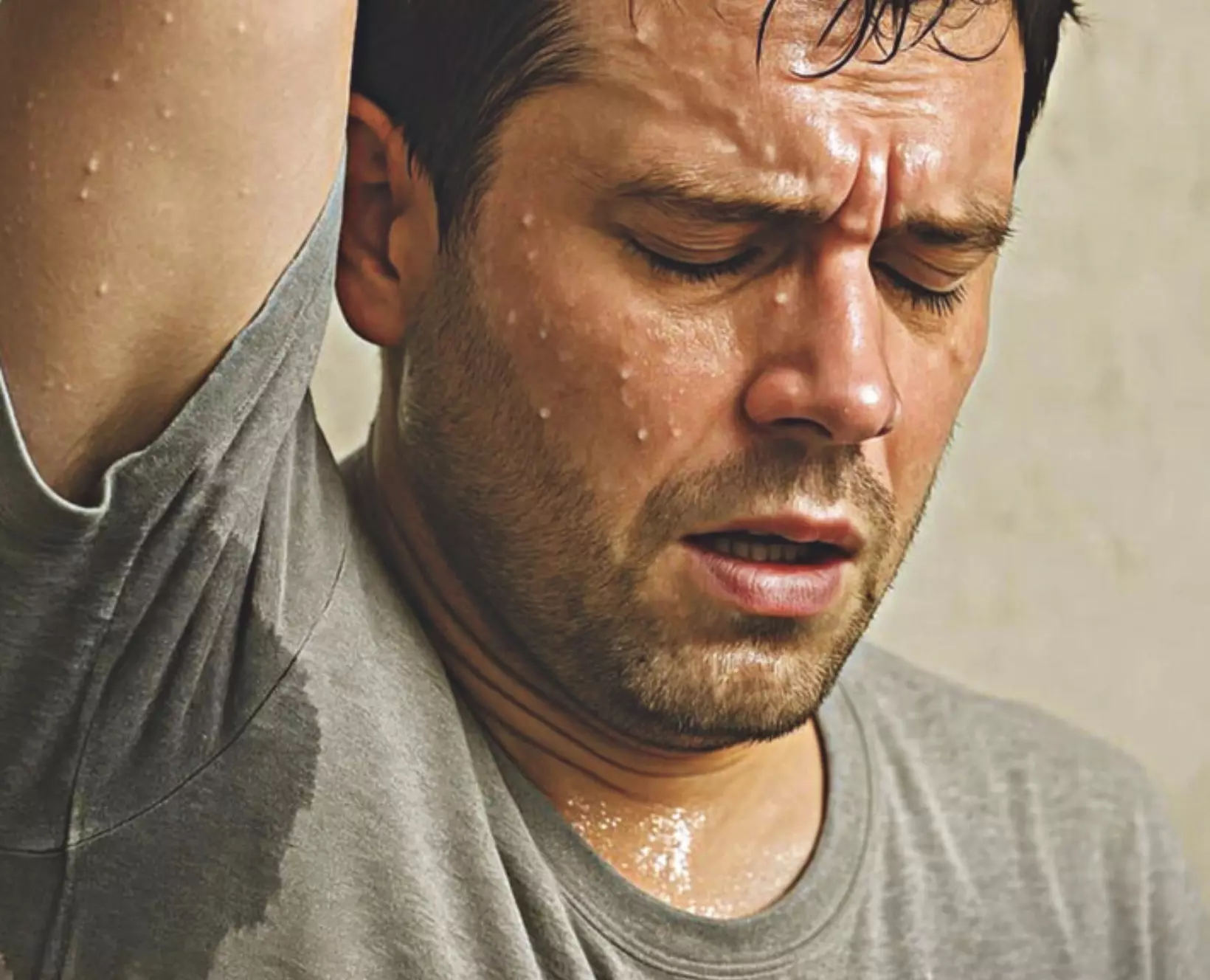
You finished a workout and are sweating profusely as usual. But what if someone told you that a soaked T-shirt is not the badge of a hard workout. Not many people realise that sweating is a natural air-conditioner of the body. “Sweating is the cooling mechanism of the body and it is not a scorecard to quantify exercise intensity,” says Dr. Rishi V. Lohiya, Senior Consultant, Interventional Cardiology.
During exercise, the body’s temperature rises, activating the neuro-hormonal cooling system, which in turn stimulates sweating. He adds that the amount a person sweats depends on several factors, including the ambient temperature, the individual’s acclimatisation to the environment, genetics, hydration status and overall body composition.
Born To Sweat
When you exercise, your muscles produce heat. As your body temperature rises, your nervous system activates the sweat glands, sending fluid to the surface of the skin. When that sweat evaporates, it helps remove heat from the body. Dr Rishi adds, “Even minimal physical activity in warm and humid climate can lead to heavy sweating and a heavy workout session in a cool gym may cause minimal sweating.”
Built On Belief
Ever wondered why some people can finish a workout looking as though they have stepped out of a shower, while others barely break a sweat? Your sweat rate is not determined by effort alone.
Dr. Malhar Ganla, Clinic Exercise Physiologist & Founder, Freedom from Obesity says, “Sweating is influenced by genetics, body size, sex, age, fitness, hydration and most importantly, the environment.” Point being, Heat and humidity can significantly increase sweat production, while fitter people may begin sweating earlier as their bodies become more efficient at cooling themselves.
According to Dr Malhar, there is considerable individual variation in how the body regulates temperature and responds to heat. This means that even two people doing the exact same workout can sweat very differently—one may be drenched, while the other barely breaks a sweat.
Dr Malhar points out that a drenched T-shirt does not mean you have melted away more fat. Sweat is mostly water, along with small amounts of electrolytes such as sodium. So, while the weighing scale may show a lower number immediately after a particularly sweaty workout, that drop is largely water weight—not body fat. In short, you may be soaking your T-shirt, but you are not necessarily soaking away the kilos!
Hail & Hearty
Sweating alone cannot tell you how healthy your heart is or how hard your cardiovascular system is working. You may sweat heavily during a moderate workout, while your heart could be working hard even with very little visible sweat.
Dr Syed Akram Ali, Senior Consultant Interventional Cardiologist & Director of Intensive Coronary Care, Renova Century Hospitals from Hyderabad says, “People often assume that the more they sweat, the harder their heart is working. But sweat is not a reliable measure of cardiovascular health.”
Dr Syed explains that sweat is not the best way to measure exercise intensity. Instead, people should pay attention to their heart rate, breathing and how hard the workout feels. As the intensity rises, the heart beats faster to deliver more oxygen to the muscles, while breathing becomes quicker and deeper.
The simple “talk test” can also help, if you can comfortably hold a conversation, you are likely exercising at a moderate intensity. If you are struggling to get more than a few words out, you’re really putting your lungs to work.
Dr Malhar adds, “A simple rule is: if you can speak comfortably, the intensity is probably moderate, if you can only speak a few words at a time, you are working much harder.”
Hydrate Enough
For most regular workouts, drinking according to thirst is a simple and sensible approach.
Dr Malhar advises that for most regular workouts, drinking according to thirst is usually a good guide. However, during prolonged or intense exercise, particularly in hot and humid conditions, the body can lose significant amounts of fluid and sodium through sweat. In such situations, hydration needs become more individualised, and simply replacing water may not always be enough.
So, while a drenched T-shirt may look impressive, sweat is no scorecard for a hard workout. Pay attention to your heart rate, breathing and how your body feels instead.
Sweating is the cooling mechanism of the body and it is not a scorecard to quantify exercise intensity.”
— Dr. Rishi V. Lohiya, Sr Consultant (Interventional Cardiology)
Sweating is influenced by genetics, body size, sex, age, fitness, hydration and most importantly, the environment.”
— Dr. Malhar Ganla, Clinic Exercise Physiologist