Health At "Steak" Without Protein

Protein is vital in your diet as it helps overall growth, maintains muscle and is the building block of the body
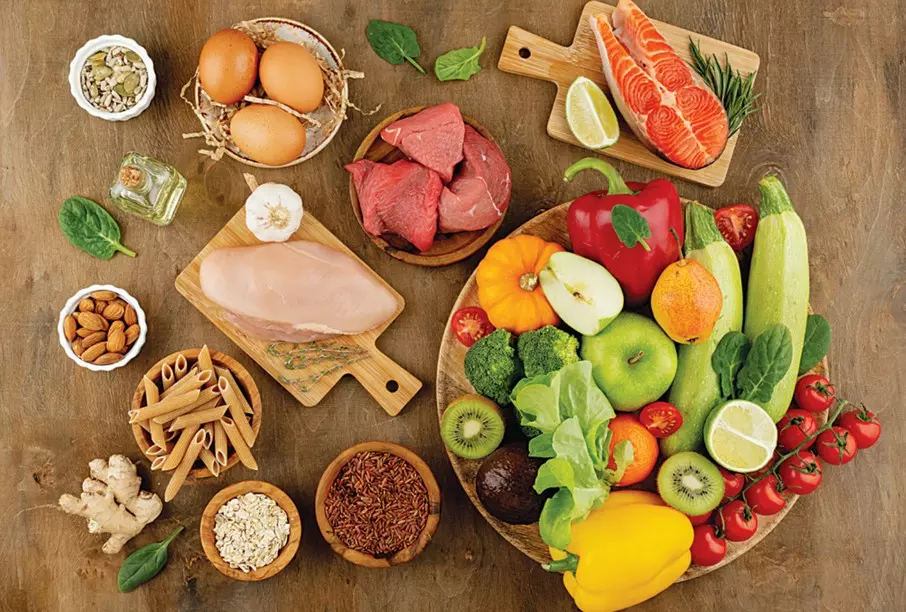
Protein is one of the three essential macronutrients in food (along with carbohydrates and fats) and plays a critical role in maintaining overall health. People have the misconception that only non-vegetarian food is rich in protein. Vegetarian protein is equally rich in protein when combined with the right food choices. “High-protein vegetarian options include dairy products such as milk, paneer, and yoghurt. Protein is also present in lentils and legumes such as chickpeas, beans, rajma and soy products like tofu and tempeh. Proteins are also found in trace amounts in nuts and seeds,” says Aditi Prasad Apte, Senior Clinical Nutritionist, Aster RV Hospital.
The Indian diet is very diverse, and we can easily whip up high-protein meals in multiple ways. “For example, dal chawal or bisibelebath contain leucine, and dal contains lysine; when both are combined, it becomes a complete protein. Multi-mix lentil chilla with grated tofu can also be a great meal option for vegans, which is not only tasty but also protein-rich,” adds Apte. The vegan diet can sometimes be challenging, as it is devoid of dairy products. Lentil curry, when paired with vegan curd made with cashews, can easily meet your protein requirement.
Protein Push
Protein is vital for growth, repair, defence, regulation, and energy balance in the body. Proteins are the body’s building blocks. They are needed for the growth, repair, and maintenance of muscles, skin, hair, nails, and internal organs. They help in healing wounds and repairing damaged cells. Many enzymes (which speed up chemical reactions in the body) are proteins. Without them, digestion, energy production, and cell function would slow down drastically. “Certain hormones like insulin and glucagon are protein-based, helping regulate blood sugar and metabolism. Antibodies are proteins that defend the body against infections by recognising and neutralising harmful microbes (bacteria, viruses, toxins). Proteins like haemoglobin carry oxygen through the blood,” says Syamal Raju Annamneedi, Corporate Chef at Ironhill India.
Other proteins transport nutrients (like iron, vitamins, and fats) and store them when needed. While carbs and fats are the body’s preferred fuel, proteins can also be broken down to produce energy, especially during fasting or intense exercise. Protein-rich foods help you feel full for longer, reducing cravings and supporting healthy weight management. Adequate protein is crucial for athletes, active individuals, and the elderly to maintain muscle mass, strength, and endurance.
Including Right
There are many practical ways to add protein to your daily diet. For breakfast, add eggs, Greek yoghurt, or paneer bhurji; oatmeal with chia/flax seeds or nut butter; or smoothies with protein powder or soy milk and nuts/seeds.
For lunch/dinner, include dal, beans, or lentils; pair rice with rajma, chole, or sambar for a complete protein; or add chicken, fish, or paneer curry with roti/brown rice. When you are snacking, choose roasted chickpeas, boiled eggs, trail mix with nuts & seeds or cheese cubes, peanut butter toast, or protein bars. The balanced plate rule is simple. Always try to fill one-fourth of your plate with protein, half with vegetables/fruits, and half with whole grains.
Powerful Protein Pairs
1. Classic Quinoa Salad Recipe
(Courtesy: Syamal Raju Annamneedi, Corporate Chef, Ironhill India)
Ingredients
• ½ cup quinoa (uncooked)
• 2 cups water or vegetable broth
• ¼ cup cherry tomatoes (halved)
• ¼ cucumber (diced)
• ½ cup red onion (finely chopped)
• ¼ cup cooked chickpeas
• 2 cups mixed lettuces
• ¼ cup of avocado
• 20 grams broccoli
• 10 grams olives
• ¼ cup fresh parsley or cilantro (chopped)
• 3 tbsp olive oil
• 2 tbsp lemon juice (freshly squeezed)
• 1 tsp honey or maple syrup (optional, for balance)
• Salt and black pepper to taste
Method
1. Cook the quinoa. Rinse quinoa under cold water. In a saucepan, combine quinoa and water/broth. Bring to a boil, then reduce heat to low, cover, and cook for 15 minutes. Fluff with a fork and let it cool.
2. Prepare the veggies. Dice cucumber, avocado, and broccoli; halve cherry tomatoes; and chop onion and parsley.
3. Make the dressing. Whisk together olive oil, lemon juice, honey/maple syrup (if using), salt, and pepper.
4. Assemble the salad. In a large bowl, combine cooled quinoa, vegetables, and chickpeas. Pour over the dressing and toss gently until well mixed.
5. Serve cold or at room temperature.
2. Teriyaki Chicken with Sautéed Broccoli, Carrots & Zucchini (Courtesy: Wan Ming Li, Exec. Chef, Bao To Me)
Ingredients:
For the chicken
• 2 boneless chicken thighs
• 2 tbsp soy sauce
• 1 tbsp sugar
• 2 tbsp cooking sake
• 2 tbsp cooking mirin
• 1 tbsp sesame oil (or regular oil)
• 1 clove garlic, minced
• 1 tsp unsalted butter
For the veggies:
• 1 cup broccoli florets
• 1 medium carrot, sliced thin
• 1 small zucchini, sliced into half-moons
• 1 tbsp oil
• Salt & pepper, to taste
• Sesame seeds and spring onions for garnish (optional)
Method
1. Marinate the chicken: In a bowl, mix soy sauce, sugar, sake, mirin, sesame oil, and garlic. Add the chicken, coat well, and let it marinate for at least 15 minutes.
2. Cook the chicken: Heat a pan on medium-high. Add the chicken with its marinade and cook until golden brown and cooked through (6–8 mins). Cut the chicken into chunks and put it back in the sauce. The sauce should slightly thicken into a light glaze. Finish it with cold butter until well combined.
3. Sauté the veggies: In another pan, heat oil. Toss in broccoli and carrots first and cook for 2–3 minutes, then add zucchini. Stir-fry until tender but still crisp. Season with a pinch of salt and pepper.
4. Bring it together: Serve the glossy teriyaki chicken alongside the colourful sautéed vegetables. Sprinkle sesame seeds and chopped spring onions on top for freshness. Pairs well with steamed rice.
3. Paneer & Beetroot Tikki (Courtesy of Gopal Krishan, Head Chef, Bombay Club)
Ingredients
• Paneer 100 grams (crumbled)
• Beetroot ½ medium (grated)
• Potato ½ medium (boiled & mashed)
• Green chilli ½ (finely chopped)
• Ginger ½ tsp (grated)
• Cumin powder ¼ tsp
• Black pepper ¼ tsp
• Salt ½ tsp (or to taste)
• Fresh coriander leaves 1 tsp (chopped, for garnish)
• Onion ½ small (sliced rings, for garnish)
• Oil 10 ml (for shallow frying)
Method
1. In a large bowl, combine crumbled paneer, grated beetroot, mashed potato, green chilli, ginger, cumin powder, black pepper, and salt.
2. Bind the mixture and mix well.
3. Shape into small, flat, round tikkis.
4. Heat a nonstick pan and add oil. Place the tikkis and cook on medium heat until golden brown on both sides (approx. 3–4 minutes on each side).
5. Garnish with fresh coriander and onions on the sides.
Protein Sources
• Legumes & Pulses: Lentils, chickpeas, kidney beans, black beans, mung beans.
• Soy Products: Tofu, tempeh, soy milk, soy chunks.
• Dairy & Alternatives: Milk, yoghurt, paneer, Greek yoghurt, cheese, and plant-based fortified yoghurts.
• Grains: Quinoa, oats, brown rice, millet (ragi, bajra, jowar), whole wheat.
• Nuts & Seeds: Almonds, walnuts, chia seeds, flaxseeds, hemp seeds, and pumpkin seeds.
• Vegetables: Spinach, broccoli, green peas, Brussels sprouts (not high, but add up when combined).
• Eggs: A complete, versatile protein source.
• Poultry: Chicken, turkey (lean options).
• Seafood: Fish (salmon, tuna, sardines, mackerel), prawns, shellfish.
• Meat: Lean beef, pork, and lamb (choose moderate portions).
