The hips mobility workout that everyone is skipping could be holding back your fitness goals, experts give a low down
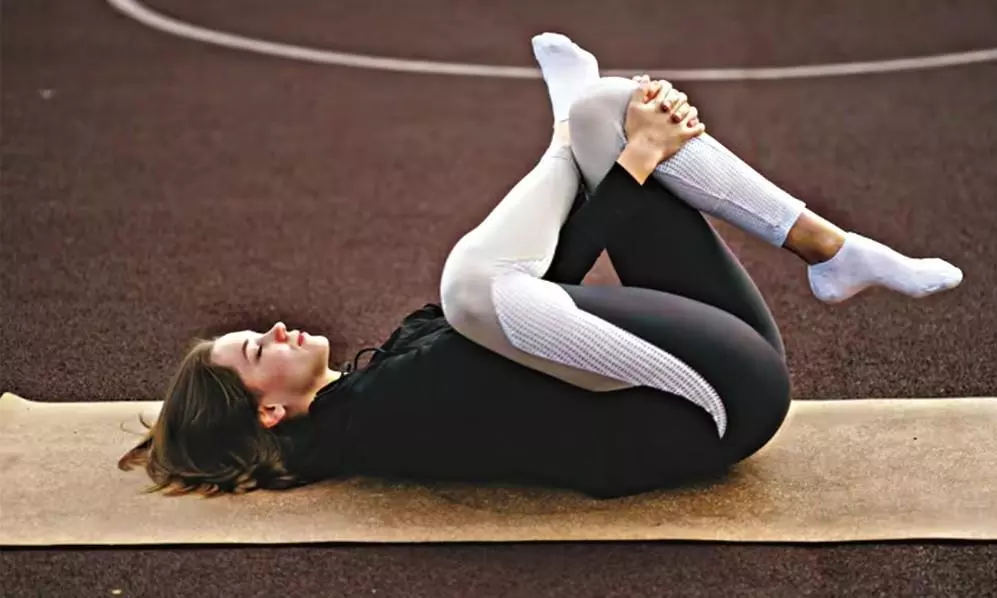
Millions of people hit the gym, run miles on the road, attend fitness classes or follow disciplined workout routines every week. Yet amid the focus on strength, endurance and weight loss, one crucial element of movement is often overlooked: hip mobility. The hips are involved in almost every major movement the body performs, from walking and running to squatting, lifting and climbing stairs. Experts say that when the hips lack adequate mobility, other parts of the body may be forced to compensate, potentially affecting performance, posture and movement quality.
Hip Mobility Matters
Dr. Prakhar Singh of OSVI Healthcare says, “Hip mobility is fundamental to efficient and safe movement because the hip joint connects the upper and lower body. It plays a key role in walking, running, squatting, lifting and maintaining balance.”
He explains that adequate hip mobility allows the body to move through a healthy range of motion while distributing mechanical loads more effectively. When mobility is restricted, however, the lower back, knees or ankles may compensate.
“Restricted hip mobility can force the lower back, knees or ankles to compensate, potentially affecting posture, movement patterns and exercise technique,” he says.
Over time, this compensation may contribute to stiffness, muscle imbalance, reduced athletic performance and recurring aches or pain. For athletes, the consequences can extend to performance itself, with restricted hip rotation or extension potentially affecting stride length, power generation and agility.
The Sitting Problem
Modern lifestyles may be making the problem worse. People who spend several hours sitting at desks, in cars or on couches can develop stiffness around the hips, particularly when they remain in the same position for prolonged periods. Dr. Harshal Bamb, Senior Consultant – Spine Surgeon at Gleneagles Hospital, Parel, says that hip mobility is essential not only for exercise but also for everyday movement.
“When the hips are stiff, other joints like the lower back, knees and ankles may have to compensate, affecting posture and movement,” he added. According to Dr. Bamb, poor hip mobility can eventually contribute to muscle tightness, reduced performance, discomfort and a higher risk of certain exercise-related injuries.
Not Another Workout
The good news is that improving hip mobility does not necessarily require a lengthy or complicated routine. Experts recommend incorporating simple movements into existing exercise schedules and daily routines.
Dr. Bamb recommends simple movements including hip circles, gentle lunges, bridges, squats and controlled hip stretches. He also advises people to avoid sitting continuously for long periods, take short movement breaks and change positions frequently. “A proper warm-up before exercise and gradual progression in workouts can also help the hips move better and reduce unnecessary strain,” he says. Dr. Singh similarly emphasizes consistency over intensity. “Even 5–10 minutes of targeted mobility work each day can complement regular exercise and improve movement quality over time,” he said.
The Missing Piece
Hip mobility may not have the visibility of heavy weights, long runs or high-intensity workouts, but experts argue that it deserves a place alongside them. Rather than treating mobility as an optional stretching session, fitness enthusiasts may benefit from viewing it as part of the foundation of movement itself.
For people chasing better performance, improved posture or simply more comfortable everyday movement, the missing piece may not be another demanding workout. It could be learning to move the hips better and making mobility a consistent part of the routine.
Hips Exercises
• Exercises such as hip circles, 90/90 rotations, controlled lunges, deep squat holds and gentle hip-flexor stretches.
• Slower stretches and mobility drills can be performed after training or during breaks from prolonged sitting.
• Mobility exercises should be performed gradually and without forcing a painful range of motion.
• Dynamic mobility movements can be useful before exercise