People are downloading breathwork apps and lining up outside breath studios to ease mental, emotional and physical stress
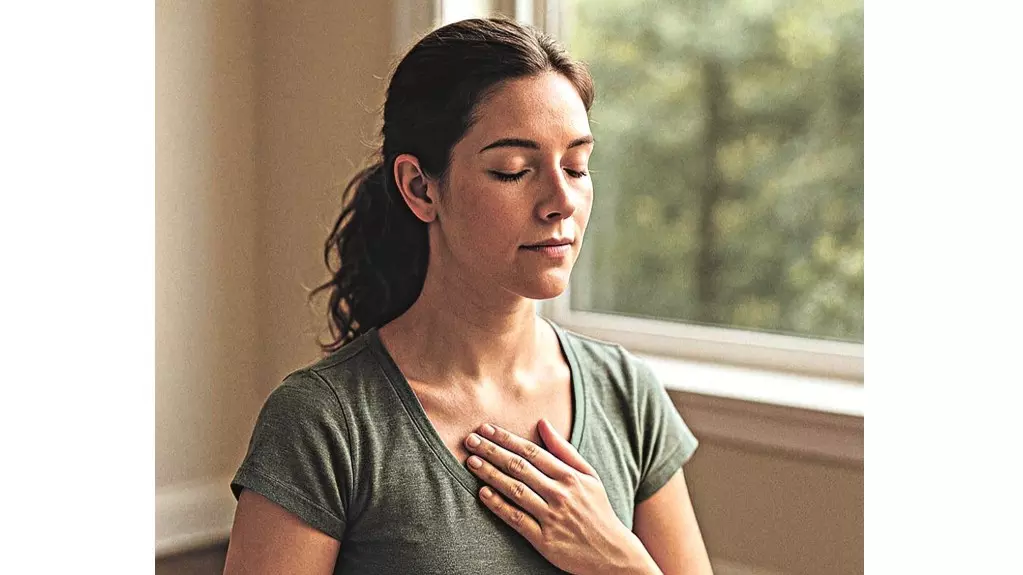
In an era of endless notifications, constant hustle, and pervasive anxiety, the idea that something as basic as breathing could improve your mental health is irresistible.
Breathing Your Way to Calm
Breathwork is exactly what it sounds like: structured breathing exercises designed to influence your mental, emotional, and even physical state. Some exercises are as simple as the 4-7-8 method (inhale for 4 seconds, hold for 7, exhale for 8). Others, like holotropic or transformational breathwork, can get intense, with rapid cycles meant to unlock emotional release. “I was sceptical at first,” says Maya Sharma (28), a digital designer. “But after just a week of doing 10 minutes of guided breathwork each morning, I noticed I was less irritable and more focused at work.”
“It’s kind of magical how something so simple can work.”
If you’re thinking, “I breathe all the time, why do I need instructions?”— you’re not alone. Most of us don’t breathe fully. Stress and modern life often lead to shallow, fast breathing, which can exacerbate anxiety and tension. Structured breathwork encourages deeper, slower, intentional breathing, which in turn signals your nervous system to relax.
Apps, Studios, and Celebs
The rise of guided meditation and wellness apps has made breathwork more approachable than ever. Platforms like Calm, Headspace, and Breethe now offer dedicated breathwork sessions. You don’t even have to leave your couch — or your pajamas. “I downloaded an app on a whim,” says Rajiv Patel (34), a software engineer. “Now I do a 5-minute session before every Zoom call. I feel calmer, more present, and weirdly productive. I can’t imagine my day without it.”
Breathwork has also entered the studio world. Urban wellness centres host hour-long sessions where participants lie on mats, follow guided prompts, and breathe through everything from stress to trauma. Some claim that sessions can leave you feeling lighter, calmer, or even euphoric.
“I went to a class after a stressful week,” recalls Priya Menon, a teacher in Mumbai. “Halfway through, I felt like all the tension in my shoulders melted away. It’s like giving your brain a mini-vacation.” breathwork is being touted as a go-to for stress relief, focus, and even spiritual exploration. It’s become a talking point in interviews, wellness podcasts, and lifestyle columns, which only fuels its mainstream popularity.
Science Behind The Trend
It’s tempting to dismiss breathwork as just another wellness fad, but research suggests there’s something to it. Controlled breathing can influence the autonomic nervous system, the part of your body responsible for stress responses. Slower, deeper breaths can reduce heart rate, lower blood pressure, and trigger the body’s relaxation response.
Dr. Ananya Desai, a clinical psychologist, explains: “Breathwork is powerful because it gives people an immediate tool to regulate their nervous system. While it’s not a replacement for therapy or medication when needed, it can be a highly effective complement.”
Need Breathing Space
So why is breathwork suddenly everywhere? Some experts point to the pandemic as a tipping point. Global anxiety and uncertainty made people seek simple, accessible tools they could use at home. Unlike yoga classes or gym memberships, breathwork doesn’t require equipment, a membership, or even a mirror. All you need is yourself — and a few minutes.
The trend also aligns with a broader cultural shift toward “micro-practices.” People want quick, effective ways to reduce stress without radically changing their routines. Five minutes of guided breathing feels manageable in a hectic day. “I love that I can literally do this anywhere,” says Aditi Rao, (24), a marketing executive. “On the train, in my office, even in my car, before a meeting. It’s like my little secret stress-buster.”
Breath Of Fresh Air
Breathwork’s popularity isn’t just hype. It’s a simple, scientifically backed tool that helps manage stress, improve focus, and promote emotional balance. It’s accessible, adaptable, and low-cost — a rare win in a world of complicated wellness trends.
The trend also reflects a cultural moment: people are craving small, actionable practices that give them a sense of control. Breathwork fits perfectly. Whether it’s five minutes before a big meeting, a morning ritual, or a nightly reset, learning to breathe with intention is proving more powerful than it sounds.
Take A Deep Breath
• Studies have found that specific breathwork practices reduce symptoms of anxiety and depression, improve attention and even aid sleep.
• Breath-focused practices were associated with measurable improvements in mood and stress markers (Frontiers in Human Neuroscience 2020 review)
Tips For Beginners
If you’re curious about trying breathwork, the options are endless—and beginner-friendly. Find a quiet space, sit or lie comfortably, and start small. You might feel awkward or notice tension at first—this is normal. The benefits often come with consistency rather than intensity.
Popular techniques include:
• Inhale for 4 seconds, hold 4, exhale 4, hold 4. Loved by athletes and executives alike.
• 4-7-8 breathing: Inhale 4, hold 7, exhale 8. Promotes calm and is especially good before bed.
• Alternate nostril breathing: Common in yoga, helps balance the nervous system.
• Guided breathwork apps:
Calm, Breethe, Headspace, and others offer structured sessions for 5–20 minutes.

