Chef Vikas Khanna on Balancing Tradition and the Art of Conscious Cooking

Chef Vikas Khanna joined DC Conversations for an interactive chat about conscious cooking habits and how healthy living choices should be a permanent choice
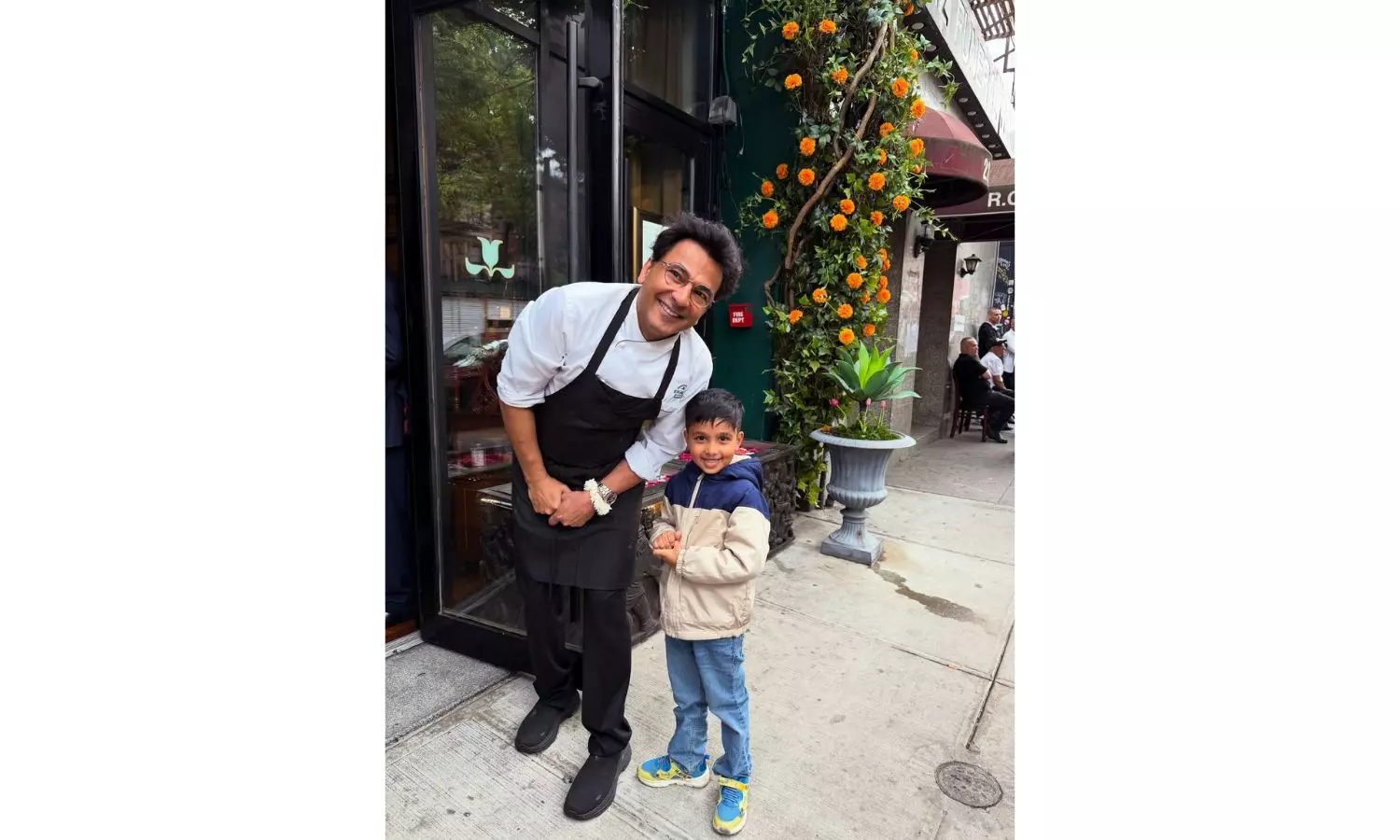
Hyderabad: In the era of fleeting food trends and viral sensations, chef Vikas Khanna stand with a deeper and intentional relationship with what we eat. On a recent conversation with DC Conversations, he shared insights in his 42 years of career and his dedication to his craft, and how the future lies in returning to traditional roots while embracing modern technologies.
As cooking has evolved, the shift in how Indian home cooks approach their kitchens is very significant with conscious cooking discussed as “contemporary”, chef Vikas notes that it is far more than a mere trend. “Anything which is related to health, longevity, well-being, it cannot be a trend,” he explains. ‘It has to be a part of lifestyle”.
He notes that the current generation is more curious and habitual in asking questions than those before them, constantly questioning the products and the ingredients used. He says this curiosity is the driving force for improvement in the industry. As a person who is associated with major brands, he values in reinventing products and bringing the best for the people, “business is one side which is important but also being conscious is very important,” he adds.
When asked about the ongoing obsession with high-protein diet, chef Vikas emphasised on having a balanced diet. He talked about how he maintains a protein-rich diet as it is a very important aspect of his diet but refuses to abandon essential food groups. He explained that if we exclude any items from our diet, be it carbs or dairy, our body will go into shock as it not used to it.
The commitment to balance does not limit to better ingredients but also to the material that we cook in. Chef Vikas highlighted a common misconception about aluminium non-stick pans. He asserts that the pans itself are not the issue it’s the neglect. “The problem is when it gets scrapped,” he warns as he urges cooks to replace the damaged utensils immediately to avoid health hazard.
One of the chef’s most passionate innovations involves rethinking the vessels used to cook and serve. He envisions a world where the kitchen is an extension of the living space and the tools used are a work of art in their own. This led to him collaborating with Bergner, to create a beautiful set of high-quality cast-iron cookware designed to go from the stove top to the table as the centrepiece of a meal. This idea is meant to save labour and energy while preserving the warmth of the food.
Cast iron has been a staple part of Indian kitchens for generations. Despite common fears regarding its maintenance, chef Vikas considers it “one of the greatest options for centuries.”
While chef Vikas looks forward to new technologies and ways of cooking, he also remains deeply rooted with traditional practices and ingredients. He hopes for traditional ingredients like Pippali (long pepper), and Jimbu, a traditional Himalayan herb comeback in the modern kitchens.
Chef Vikas Khanna has been an internationally acclaimed figure and has been honoured by many organisations for his contribution to culinary arts and humanitarian impacts, he remains remarkably detached from is accolades. He regards his work as the reward. “I keep all my crowns outside my work, it does not and should not ever affect it,” he states firmly.
Even after 42 years in his career, chef Vikas spends around 16 hours a day in the kitchen. His advice to the next generation of chefs is simple: one should not let external recognition define them. The main focus should be commitment and dedication.
Chef Vikas’s mission remains the same, to honour the sacred connection between the cook, the ingredient and the guest. As he puts it when describing the simple home-style cooking that revolutionised his career and his restaurant Bungalow, in New York City as “one honest home style restaurant to change the cuisine”.
This Article is Written By Archana Prasad, Student of English and Foreign Language University, Interning at Deccan Chronicle
