Once used by astronauts to combat bone loss, vibration plates have become the latest workout obsession in gyms, fitness studios and homes
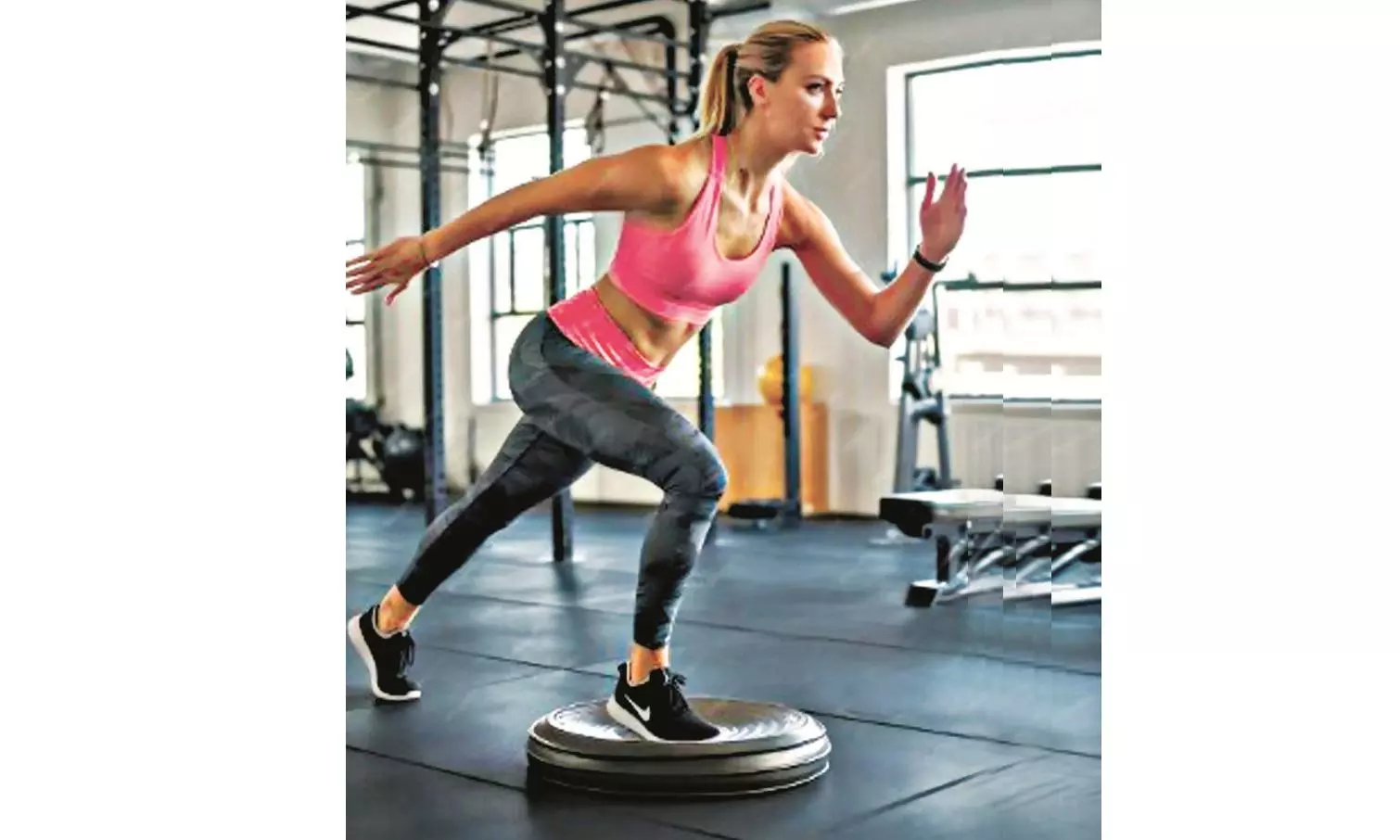
Vibration plates are trending from rehab centres to home gyms. Once used by astronauts to combat bone loss, they’ve become the latest workout obsession, rapidly gaining traction across social media. Compact Vibration machines are promoted as daily wellness routines. The buzz is undeniable, but the question remains: Can you really shake your way to better health?
Circulation, Balance & Beyond
Dr Saurabh Verma, Clinical Director, Orthopaedics & Spine Surgery, Marengo Asia Hospitals, Gurugram.
“Vibration plates can aid lymphatic drainage and circulation, helping reduce exercise soreness while improving stability and balance. Weight loss, however, is not a standalone strength. They work best when combined with traditional aerobic exercise. As for bone density, while some claims suggest benefits, medical evidence is mixed, and they should never be considered a substitute for weight-bearing workouts,” adds Dr Verma.
Safety First
As vibration plates are widely available today, it’s essential to prioritise safety and quality. “Before buying a vibration plate for home use, focus on safety, stability, and credibility rather than tall claims. Choose a trusted brand with adjustable vibration settings, a sturdy platform, and clear safety guidelines. Machines that offer supervised exercise recommendations are far more valuable than those promising effortless weight loss. Remember, a vibration plate is only effective when paired with strength training, cardio, balanced nutrition, and healthy lifestyle habits.” Says Dr Priyank Patel, Orthopaedic - Spine Surgeon, Jupiter Hospital, Thane.
No Shortcuts
Short, consistent sessions matter more than long ones. Approximately 10 to 20 minutes, two to four times a week, paired with regular exercise, is enough for most adults. Beginners should start low, focus on posture, and move slowly.
Vibration plates aren’t shortcuts but add-on tools that complement strength and flexibility training when used with proper technique.
“Vibration plates boost circulation, recovery, and muscle activation, making them handy for warm-ups and cooldowns. But activation shouldn’t be mistaken for muscle growth. True strength and hypertrophy still come from progressive resistance training, which delivers the mechanical overload needed for long-term adaptation. Still, the real progress, strength, endurance, and transformation come from consistent training, nutrition, and disciplined routines,” adds Singh.
Know Your Limits
Healthy adults can generally use vibration plates safely when sessions are kept within recommended limits and proper technique is followed. “However, they are not suitable for everyone —individuals with bone or joint disorders, recent surgeries, spinal issues, severe arthritis, or chronic medical conditions should seek medical advice before starting. Medical supervision becomes especially important when vibration plates are used for rehabilitation or recovery, as the intensity and exercises must be tailored to the individual’s condition.” Dr Priyank.
Use vibration plates wisely: start low, maintain posture, pair with strength and flexibility, stop if in pain, avoid long sessions, and skip use if injured or without medical clearance.
Support vs. Therapy
Vibration therapy can support recovery, but it should never replace physiotherapy. “Used under guidance, it can enhance muscle activation and proprioception, serving best as a warm-up or supportive tool aligned to the stage of injury and patient goals. In orthopaedics, its value lies in complementing structured rehab, supervised physiotherapy, regular exercise, and medical care, never as a standalone treatment,” adds Dr Priyank.
A vibration plate makes sense only as part of a broader fitness routine. Without strength work, cardio, and adequate nutrition, its benefits remain limited.
Box
Vibration Mode
• Jennifer Lopez has added the vibration plate to her fitness and recovery regimen. She uses it to boost muscle activation, improve circulation, and maximise recovery.
• Mark Wahlberg has been using a Power Plate vibration machine for over 15 years. He’s also an investor and ambassador of a vibration plate brand.
• Mira Rajput Kapoor uses a vibration plate in her home routine, even while brushing
her teeth.
She blends wellness with daily tasks.
• Samantha Ruth Prabhu made the vibration plate go viral, standing on it, wobbling, giggling, and turning a recovery tool into a playful moment.