A neurosurgeon’s daily routine reveals why consistency—not intensity—is the real foundation of fitness
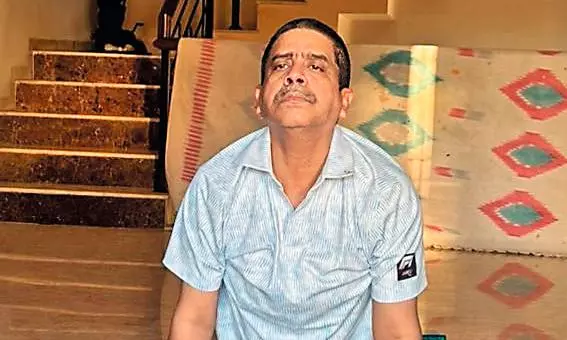
For Dr Alok Ranjan, neurosurgeon, Apollo Hospitals, the body is not separate from the work. “It is the instrument. And like any instrument, it demands daily calibration,” he says.
His routine is not built on extremes or trends. It is quiet, repetitive and shaped by the physical demands of long surgeries and microscopic precision: “In my profession, fitness is not optional. It is what allows me to operate with precision, without fatigue or tremor.”
A BODY TRAINED FOR STILLNESS AND STAMINA
Dr Ranjan’s day begins at 6 am, not with urgency, but with structure. “After freshening up, I spend about 50 minutes on yoga, stretching, and isometric exercises, mainly for my neck and back,” he says. Neurosurgery demands hours of standing, sometimes up to eight, under a microscope where even the slightest tremor can affect accuracy. “Upper body strength is important. At the same time, legs need to be strong, and fingers supple,” he explains.
His workday spans multiple floors of the hospital, moving between operating rooms and outpatient clinics. “I try to maintain an erect posture and use an ergonomic chair,” he adds.
MOVEMENT, BUILT INTO THE DAY
Unlike regimented fitness schedules, his movement is seamlessly embedded into daily life. “I walk about 4.5 kilometres and climb 15 flights of stairs in the hospital itself. I never use the lift,” he says. On Sundays, the routine moves outdoors, five kilometres of walking at KBR Park. “I prefer places where walking is part of the day, typically 8 to 10 kilometres. I cannot walk slow,” he admits, laughing. “My family keeps complaining.”
WHY LESS CAN BE MORE
Interestingly, Dr Ranjan has stepped away from weight training, not out of preference, but necessity. “I initially tried weights, but it was causing fine tremors in my microscopic work.” Instead, his focus remains on stability, flexibility, and control, qualities often overlooked in conventional fitness narratives.
EATING FOR FUNCTION, NOT FAD
His diet is even more disciplined. “More than me, my better half is strict about what I eat,” he says. His day begins with a simple ritual, tulsi leaves, black pepper, and turmeric, something he credits for eliminating persistent throat irritation over the years. Meals are consistent, home-cooked, and uncomplicated. “Breakfast is usually idli, dosa, chapati, or poha. Lunch is chapatis or rice with dal and green vegetables. Dinner is light, again chapatis and vegetables.” Snacks are measured, dry fruits, seeds, cucumber, or pomegranate. Tea, always without milk. Protein is modest, eggs once a week, chicken or fish occasionally. “Strictly no alcohol and smoking, even passive.”