Tea-Riffic Food Items, Steeped in Traditions

Tea may be your favourite morning beverage but not many know that tea leaves can also be used to cook
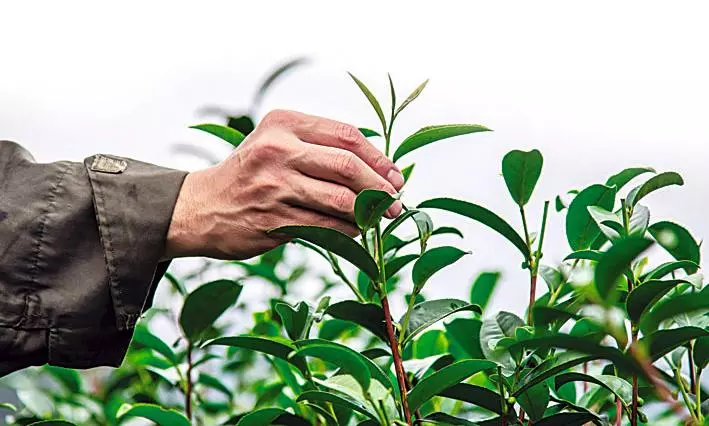
Tea is more than a beverage. It is a versatile ingredient that adds dimension, nuance, and soul to a dish. Whether used as a delicate infusion or a bold aromatic, tea brings sophistication and story to the plate.
Taste-Tea Recipes
Fresh tea leaves can be surprisingly versatile in cooking. The tender young leaves can be used in stir-fries, lightly sautéed with garlic, ginger, and oil. Blanched tea leaves are used in Burmese Lahpet Thoke (fermented tea leaf salad). Use large, tender leaves as a wrap (like grape leaves) for steaming or light grilling. Add a few leaves while simmering broths for a gentle earthy or grassy note. You can also infuse milk or cream with crushed tea leaves before using in custards or gelato bases. “Fresh tea leaves are surprisingly versatile. Unlike the dried, oxidised versions we use for brewing, the young, tender leaves have a delicate vegetal flavour, somewhat akin to baby leaves or tender herbs, but with a nuanced astringency and floral undertone,” says a Head Chef at The Postcard in the Durrung Tea Estate, Assam. Do experiment with different tea varieties —green, oolong, white, or black to complement different ingredients.
Health Factor
Fresh tea leaves are a powerhouse of natural goodness and can be a smart ingredient in the chef’s wellness toolkit. They are packed with antioxidants that help fight inflammation and support heart health. “The presence of L-theanine adds a calm, focused energy without the jittery hit of caffeine, making it great for balance. These leaves also offer a gentle metabolic boost, aid digestion, and have natural antibacterial properties that support gut and oral health. Used blanched or lightly sautéed, they add not just a mild earthy bitterness but also a nutritional edge to salads, broths, and even desserts. Just remember, they are potent, use young, tender leaves in moderation to get the most out of their flavour and benefits,” says Ajeeth Janardhanan, Culinary Director, The Residency Group of Hotels.
Add Ons
Incorporating tea into your daily meals can be both simple and innovative. Replace plain water with brewed tea when cooking grains like rice, quinoa, or barley to subtly infuse flavour. “Use chilled tea as a base for smoothies, dressings, or vinaigrettes. Brew a strong infusion to marinate fish or chicken or use it as a poaching liquid for vegetables. Ground tea leaves can be folded into cookie dough, pancake batter, or even ice cream for a hint of complexity. And for something refreshing, tea-based mocktails or coolers are perfect as a daily wellness ritual,” says Anup Gupta, Executive Chef, Taj Lakefront, Bhopal. Veerender Thapa, Sr. Sous Chef, Radisson Blu Plaza Hyderabad, adds, “use them in soups or rasam-style decoctions for earthy warmth. Incorporate into chutneys or pesto’s where their bitterness balances spicy elements. Fresh tea leaves can also be blended into smoothies with amla and lemon juice for a health boost. Including them in your diet enriches it with antioxidants and phytonutrients and adds complex flavours and textures to meals.”
Careful, Steep Slope
When cooking with tea, it is important to avoid over-steeping, as this can lead to bitterness and alter the tea’s delicate flavour profile. “Another key tip is to pair the accompanying ingredients thoughtfully since many teas have subtle notes that can easily be overpowered. If the tea is intended to be the hero of the dish, it should be complemented with mild, subtle flavours,” says Megami Mehta, Sous Chef, House of Ming, Taj Mahal, New Delhi. “Avoid over-steeping in cream or water as this may extract bitterness. Don’t pair with overpowering spices or dark chocolate; they can mask the tea's finesse. Avoid using stale or stringy leaves as they affect both texture and flavour negatively,” adds Ashley Nunes, Executive Chef, Park Hyatt Hyderabad.
Chai Patta Chaat
(Courtesy Head Chef at The Postcard in the Durrung Tea Estate, Assam)
Ingredients
• 12–15 baby tea leaves, washed & patted dry
• ½ cup besan (gram flour)
• 2 tbsp rice flour (for extra crispness)
• ¼ tsp turmeric powder
• ¼ tsp red chili powder
• Salt to taste
• Water (to make a light batter)
• Oil for deep frying
For Chaat Toppings
• ½ cup whisked curd (slightly sweetened or salted)
• 2–3 tbsp tamarind chutney
• 2 tbsp green chutney
(mint- coriander)
• 2 tbsp chopped onions
• 1 tbsp chopped tomatoes
• 2 tbsp fine sev
• 1 tbsp pomegranate seeds
• Chaat masala to taste
• Roasted cumin powder to taste
• Fresh coriander- chopped, for garnish
Method
1. Choose medium-large spinach leaves. Wash, pat completely dry, and set aside.
2. In a bowl, mix besan, rice flour, turmeric, red chili powder, and salt.
3. Add water slowly to make a thin, smooth batter.
4. Dip each tea leaf in the batter, coat well, and deep- fry in hot oil until crispy and golden.
5. Arrange crispy tea leaves on a plate.
6. Drizzle with yogurt, green chutney, and tamarind chutney.
7. Top with chopped onions, tomatoes, sev, and pomegranate seeds.
8. Sprinkle chaat masala, roasted cumin powder, and garnish with coriander.
Kadambari Tea Toffee Pasta with Crispy Lotus Disc
(Courtesy Anup Gupta, Executive Chef, Taj Lakefront, Bhopal)
Ingredients
For Pasta & Filling
• Kadambari tea leaves 300 g
• Lotus flour 250 g
• Egg yolks 6
• Onion 10 g
• Garlic 5 g
• Leek 10 g
• Celery 10 g
• Cream cheese 20 g
• Brunost cheese 40 g
• Lemon juice 5 ml
• Pecan nuts (crushed) 10 g
• Olive oil 20 ml
For Sauce
• Kadambari tea leaves (blanched) 200 g
• Pistachios 10 g
• Garlic 5 g
• Olive oil 20 ml
• Salt & pepper to taste
• Parmesan cheese as needed
For Crispy Lotus Disc
• Lotus stem (thinly sliced) 50 grams
• Salt & pepper to taste
• Olive oil 10 ml
For Garnish
• Edible flowers 2 g
• Parmesan shavings as needed
Method
1. Blanch Kadambari tea leaves and squeeze dry. Sauté with onion, garlic, leek, and celery. Mix in both cheeses, lemon juice, salt, pepper, and crushed pecans. Set aside.
2. Form a well in the lotus flour, add yolks, olive oil, and salt. Knead into a smooth dough. Rest for 30 minutes. Roll into thin sheets using a pasta sheeter.
3. Fry some tea leaves until crisp. Sandwich them between pasta sheets and roll again. Cut into 2”x3” rectangles. Spoon 25 grams of filling on each, then fold into a toffee shape.
4. Blend blanched Kadambari tea leaves with pistachios, garlic, olive oil, salt, and pepper. Stir in Parmesan to enrich the sauce.
5. Season thin lotus stem slices with olive oil, salt, and pepper. Dehydrate until golden and crisp.
6. Cook the pasta parcels in salted boiling water for two minutes. Toss in the tea-pistachio sauce. Plate with lotus discs and finish with edible flowers and Parmesan shavings.
7. Best paired with Kadambari White Tea or a light-bodied Chardonnay to enhance the earthy, nutty notes of the dish.
Chilled Mud Crab and Fermented Green Tea Salad
(Courtesy Shivneet Pohoja, Executive Chef,
ITC Maurya New Delhi)
Ingredients
For the Crab
• 1 large mud crab (about 1–1.2 kg)
• Salt, for boiling
• Ice water, for chilling
For the Salad
• 1 cup fermented green tea leaves
• ½ cup shredded green lettuce
• ¼ cup finely sliced red onion
• ¼ cup julienned carrots
• 2 tbsp roasted peanuts (crushed)
• 1 tbsp toasted sesame seeds
• 1 red chilli, finely sliced (optional)
• 2 tbsp cherry tomatoes
For the Dressing
• 2 tbsp lime juice
• 1 tbsp fish sauce
• 1 tbsp peanut oil or light sesame oil
• 1 tsp palm sugar or brown sugar
• 1 small garlic clove, minced
Method
1. Bring a large pot of salted water to a boil. Add the live mud crab, cover, and cook for 10–12 minutes until bright orange. Remove and plunge into ice water to stop the cooking.
Once cool, extract the meat carefully and set aside in the fridge.
2. Steep two tbsp of green tea leaves in hot water for five minutes. Drain and lightly press out excess water. Mix with a pinch of salt and a few drops of lime juice, place in a jar, and ferment at room temperature for 2–3 days.
3. Whisk all dressing ingredients until well combined.
4. In a large bowl, combine the fermented tea leaves, lettuce onion, carrots, cherry tomatoes, peanuts, sesame seeds, and chili.
5. Add the crab meat and gently toss with the dressing.
6. Chill in the fridge for 10–15 minutes before serving.
7. Serve on a chilled plate with crab shells on the plate as garnish.
