India’s quintessential breakfast, idli, is not just a healthy dish but also has a day to celebrate on March 30 (World Idli Day)
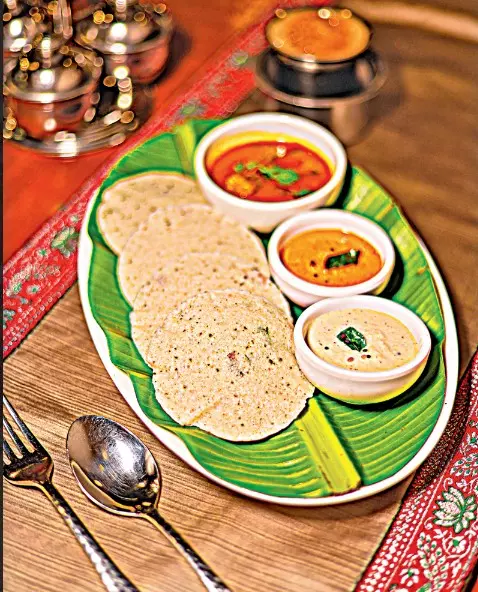
Across India, steaming hot idli-sambar is the ultimate breakfast choice. A perfect combination of carbohydrates and protein. Idli is simple, affordable, easy to digest, and suitable for all ages. A good idli is defined by its soft and fluffy texture with mild tanginess. “For the food to have a light texture, good fermentation is the key. Each region has a very distinctive way of preparing idlis, and there are variations galore. A variety of flavours can be infused. For example, there is Rava idli, Thatte idli, Podi idli, and different millet idlis, making the dish diverse yet traditional. The appliances have made the process faster, but traditional fermentation cannot be replaced. It still gives the best taste and texture,” says Balaji Sathish Kumar, Executive Chef – The Residency Towers, Chennai. In Tamil Nadu, you see the classic soft idli, while Kanchipuram idli incorporates spices and a firmer texture.
Science & Craftsmanship
The perfect idli is a delicate balance of science and craftsmanship. “The texture should be soft, airy, and spongy and light to the touch, yet structured enough to hold its shape. Proper fermentation is key; it should impart a subtle tang without overpowering the natural flavour of rice and lentils. From a culinary standpoint, consistency in batter, quality of ingredients, and controlled fermentation conditions define excellence. A well-made idli should feel almost cloud-like, with a clean, mildly fermented aroma,” says Bala Subramaniam, master chef, The Orchid Mumbai.
Advantage Idli
Idli is often described as one of the healthiest breakfasts. It is steamed and low in fat. It uses the process of fermentation, which aids in good gut health, and the combination of rice and pulses gives it a good balance of carbs and protein. Idli is one of the best breakfast items adopted by many cultures. But the flexible nature of the dish allows it to be combined with many flavours according to one’s personal preference. “This trait of being able to be customised makes it the most favourite breakfast option,” adds Kumar. Idli has endured across generations because it represents simplicity, nourishment, and comfort in its purest form. It is deeply rooted in South Indian households, where recipes are passed down with care and precision.
Ramaserry Idli
Ramassery idlis are a unique culinary speciality from Ramassery, a small village near Palakkad in Kerala. These idlis are made using locally sourced rice from the Palakkad region and are known for their soft, fluffy texture and flat, disc-like shape unlike conventional idlis. What truly sets them apart is the traditional method of preparation. The batter, made with rice, black gram, fenugreek, and sea salt, is poured onto a muslin cloth stretched over the mouth of an earthen pot. As the idlis steam, the vapour passes directly through the cloth, allowing for a lighter texture. Another earthen pot is placed on top to trap the steam, ensuring the idlis cook evenly from both sides. Once done, they are gently de-moulded using plachi leaves, which lend a subtle, distinctive fragrance. These idlis are typically served with a unique podi made from Palakkadan matta rice and a complex blend of spices and are best enjoyed with Kerala-style sambar or a hearty chicken curry.
What makes this variety of idli truly special is not just the softness or its distinct disc-like form, but the method itself. “What also makes it unique is its journey and origin. It comes from a small community of artisans who have preserved this recipe over generations. At Kappa Chakka Kandhari, our effort has always been to bring such hidden culinary gems to a wider audience while staying true to their authenticity. Ramassery Idli is more than a variety of Idli – it is a story of migration and craft, and that’s what makes it truly unique,” says Chef Regi Mathew, Co-owner and Culinary Director of Kappa Chakka Kandhari.
Small dish, Big legacy
World Idli Day highlights the beauty of simplicity in Indian cuisine and was started in 2015 in honour of Chennai-based Eniyavan M., who has multiple innovations in idli-making to his credit. It celebrates a dish that represents sustainability, nutrition, and tradition. It also brings attention to regional diversity and encourages chefs and home cooks to innovate while preserving authenticity. Most importantly, it reminds us of how deeply food connects culture and community. “World Idli Day serves as a wonderful platform to celebrate one of India’s most iconic dishes. It brings attention to the cultural, nutritional, and culinary significance of idli, not just within India but globally. For chefs and hospitality brands, it is an opportunity to showcase tradition, share stories, and introduce the dish to new audiences, ensuring that this humble preparation continues to be appreciated across generations. Idli is now made and relished all over the world,” says Subramaniam.
Modern conveniences have certainly made idli preparation more accessible, especially in urban settings. Ready mixes and advanced appliances simplify the process, but they cannot fully replicate the depth of flavour achieved through traditional soaking, grinding, and fermentation methods. While technology supports efficiency, the essence of a truly exceptional idli still lies in understanding the craft—particularly fermentation, which remains an art that requires intuition and experience.
Basic Idli (Courtesy of Balaji Sathish Kumar, Executive Chef – The Residency Towers Chennai)
Ingredients
• Idli rice 600 g (or Idli Rava)
• Urad dal (split, skinless) 200 g
• Fenugreek seeds: 5 g
• Salt 10–12 g (or to taste)
• Water approx. 500–700 ml for grinding
Method
1. Wash and soak rice separately for 4–5 hours.
2. Soak urad dal with fenugreek seeds for 4 hours.
3. Grind urad dal to a smooth, fluffy batter (add water gradually).
4. Grind rice to a slightly coarse texture.
5. Mix both batters, add salt, and ferment overnight (8–12 hours).
6. Grease idli moulds, pour batter, and steam for 10–12 minutes.
7. Rest for two minutes, then de-mould and serve hot.
8. Ferment in a warm environment (28–32°C) for best rise, softness, and flavour.
Kanchipuram Idli (Courtesy Master Chef Bala Subramaniam, The Orchid Mumbai)
Ingredients
• Raw rice: ½ kg
• Boiled rice: ½ kg
• Urad Dal 200 grams
• Methi seeds: 5 grams
• Black Pepper Powder: 15 grams
• Dry ginger powder, 15 grams
• Hing powder, 2 grams
• Till Oil 75 ml
• Ghee 75 ml
• Cashew nuts: 50 grams
• Salt to taste
Method
1. Soak raw rice and boiled rice together for five hours.
2. Soak urad dal and methi seeds together for five hours.
3. Grind everything together and leave it for fermentation overnight.
4. Before preparing the idli, heat oil and ghee together, then sauté the cashew nuts until golden brown.
5. Add black pepper powder and ginger powder to the mixture, then pour it into the idli batter. Season with salt and mix well.
6. Steam the batter in an idli mould until the idlis are perfectly cooked.
7. Serve it hot with spicy tomato chutney or coconut chutney.