Say Cheers To These Hangover Healers

Beat the dreaded festive hangover with these famous desi food staples, from South’s rasam-rice to North’s ghee-soaked paranthas, not to forget hangover soups, sandwiches, and muffins
The sun rises, the party lights fade, and the familiar throb of too much celebration begins to hum behind the eyes. Across cultures, one of the most universal human experiences is the morning after a night of excess — and the comfort found in the meals that help us feel whole again. Hangover food is more than just a cure; it is a ritual, a cultural symbol, and a reminder that while we may overdo it, we also know how to take care of ourselves.
Food For Thought
Food has always been intertwined with emotion, but after a night of drinking, it takes on an almost spiritual quality. People crave warmth, familiarity, and flavours that ground them. Hangover meals often reflect deeper cultural values: balance, healing, hospitality, and comfort. Whether it’s the bite of spice, a bowl of broth, or a greasy delight, each dish tells a story about community and care. In many societies, the day-after meal brings people together again — not to celebrate, but to recover. It becomes an unspoken gathering, an acceptance that everyone is in the same foggy boat.
The Science Behind It
While many of these dishes come from tradition, they also line up with nutritional logic. Spices like black pepper, ginger, and turmeric have anti-inflammatory properties. Yogurt and fermented foods restore gut balance. Carbs help stabilize blood sugar levels after alcohol spikes and dips.
Dr. Kalpana Achari, a nutritionist from Mumbai explains, “Hangover food works because it gives the body three things it desperately needs — hydration, electrolytes, and easy-to-digest calories. Indian regional dishes naturally include all three.”
Regional Hangover Staples
India’s diversity is reflected not only in its languages and landscapes but also in its hangover remedies. Each region has its own trusted “next-day” cure, shaped by tradition and based on ingredients believed to settle the stomach, calm the head, or restore energy.
Southern Comfort Bowls
In Tamil Nadu and Kerala, rasam rice– warm, peppery, and aromatic — is a go-to hangover healer. The combination of tamarind, black pepper, and garlic helps cut through nausea and sluggishness. Another southern staple is curd rice, a soothing dish that cools the stomach and replenishes hydration. Karnataka often leans toward akki roti with coconut chutney — light, comforting, and easy on a troubled stomach.
Northern Spice Salvation
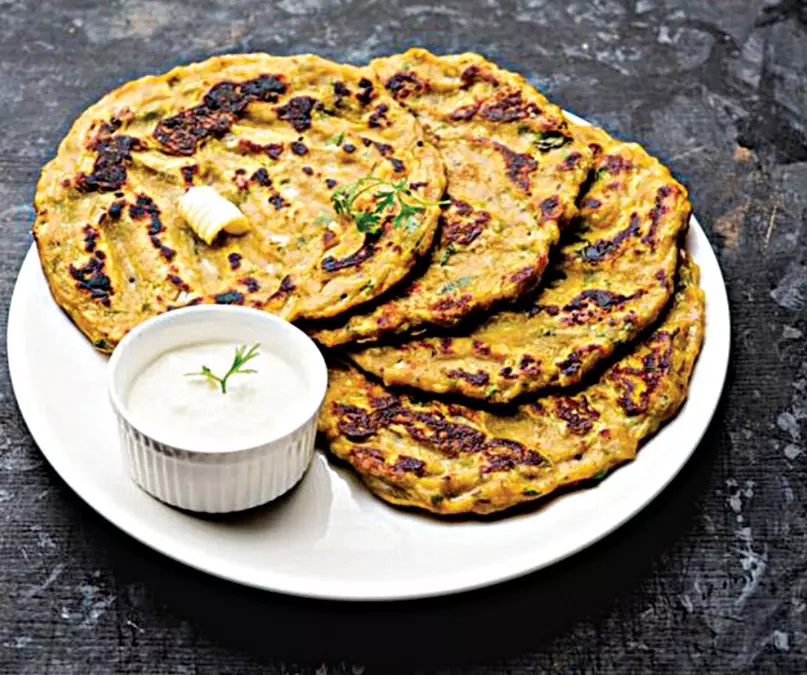
North India believes in the power of bold flavours to kick-start the senses. Aloo paratha drenched in butter, chole bhature, and paneer parathas are among the favourites. For many, the carb-heavy meals absorb lingering alcohol and provide the energy needed to function.
In Punjab, lassi – sweet, salted, or even spiced– is considered essential for rehydration and calming acidity.
Eastern Equilibrium
West Bengal’s classic maach-bhaat (fish curry with rice) might surprise outsiders as a hangover meal, but for many Bengalis, the familiar flavours bring them back to equilibrium. Light, home-style dal and rice-dal-bhaat is also a widely preferred option.
Odisha’s pakhala bhata, a fermented rice dish, is even believed to rehydrate and cool the body, making it a unique and ancient hangover remedy.
Global Hangover Favourites
Around the world, cultures have developed their own “morning-after” cures, each reflecting local ingredients, beliefs about healing, and culinary identity. In South Korea, few dishes are as iconic as Haejangguk, literally translating to “hangover soup.” Loaded with napa cabbage, ox blood, soybean paste, and hearty broth, it is believed to replenish electrolytes and settle the stomach after a night of drinking — a tradition so ingrained that the dish is sold in dedicated hangover restaurants across Seoul. In Japan, people often reach for shijimi miso soup, made with freshwater clams praised for their liver-supporting properties.
The United Kingdom swears by its “full English breakfast,” a protein-heavy plate with eggs, sausages, beans, and toast meant to revive energy levels. In Mexico, the spice and acidity of menudo, a slow-cooked tripe soup, is cherished for clearing the senses.
Meanwhile, in the United States, greasy comfort classics like bacon-and-egg sandwiches, hash browns, or a steaming bowl of chicken noodle soup remain favourites. Each of these dishes, though diverse in flavour and form, shares one purpose: offering comfort, hydration, and a familiar embrace in the morning after a long night.
Community, Culture, Celebration
Hangover food is rarely eaten alone in spirit, even when eaten in solitude. It carries memories of the night before, wrapped in flavors that soothe regret. For many, these meals act as a cultural anchor — reminders of home, family traditions, or friendships sealed over steaming plates and shared headaches.
Chef Rishabh Adhikari, observes, “People don’t just come in looking for food — they come looking for forgiveness. A good hangover dish makes you feel understood.”
Across the world, from ramen in Japan to greasy breakfasts in the U.K., hangover rituals unite people in a global tradition of comfort. But in India, with its sensory richness and regional diversity, the morning-after plate becomes a tapestry of memory, healing, and cultural expression.
Universal Remedy & Regret
Whether it's rasam, parathas, misal pav, or pakhala bhata, hangover food reminds us that although celebration is temporary, comfort is timeless. And as long as people continue to dance, toast, and occasionally overdo it, the world will keep perfecting the art of the morning-after meal.
Desi Morning After Healers
· Maharashtra: Spicy Misal pav, poha, lemon and peanuts
· Gujarat: Khichdi
· West Bengal: Classic maach-bhaat, dal-bhaat
· Odisha: Pakhala bhata
· Punjab: Lassi (sweet & salty), ghee-soaked aloo paratha, paneer paratha, spicy chole bhature
· Tamil Nadu & Kerala: Rasam rice
· Karnataka: Akki roti with coconut chutney
Global Morning After Healers
· South Korea: Haejangguk (hangover soup) loaded with napa cabbage, ox blood, soybean paste, and hearty broth
· Japan: Shijimi miso soup made with freshwater clams
· UK: A full English breakfast comprising eggs, bacon, sausages, toast, juice, tea
· Mexico: Menudo, a slow-cooked tripe soup
· US: Bacon-and-egg sandwiches, hash browns, steaming bowl of chicken noodle soup
