Rich Girl Arms Muscle Their Way Into Fitness

Fitness experts fume as many women shift focus from functional fitness to fashionable fragility as part of new the ‘decorative fitness’ trend
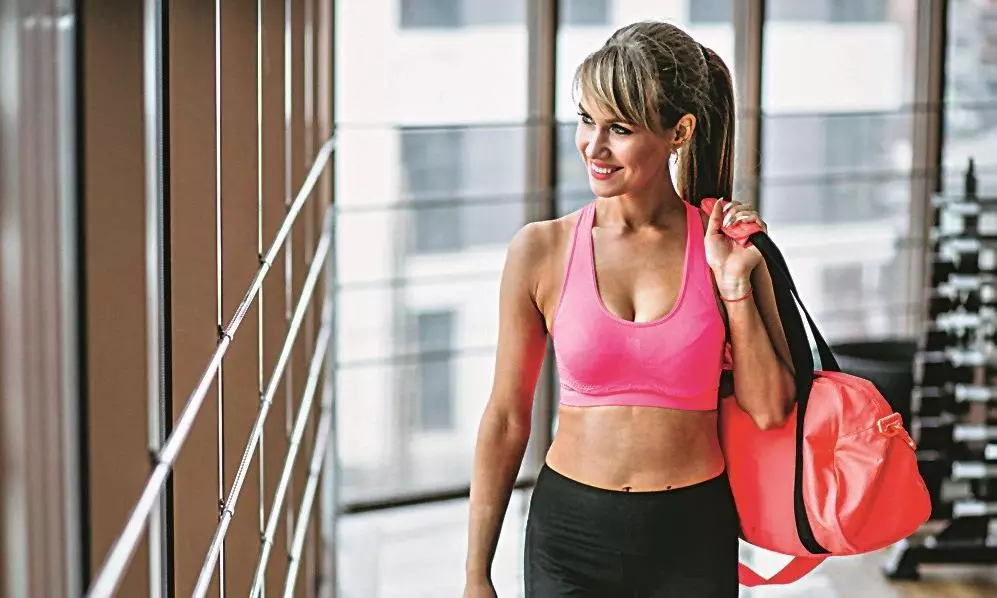
For much of the last decade, women's fitness culture seemed to be experiencing a long-overdue revolution. Weight rooms that men once dominated became increasingly welcoming to women. Strength training replaced endless hours of cardio as the gold standard of health, and the mantra “strong is the new skinny” symbolised far more than a fitness trend.
Today, social media appears to be steering the conversation in a different direction. A growing aesthetic known as “rich girl arms” is quietly gaining popularity across platforms, promoting arms that appear slim and lightly toned but intentionally lack visible muscle. The ideal is one of effortless elegance—strong enough to carry a luxury handbag, but not so muscular that they challenge traditional ideas of femininity or hint at physical labour.
On the surface, the trend may seem like just another fleeting beauty preference. Yet beneath the carefully curated images lies a larger cultural conversation about what society values in women's bodies—and whether we are slowly returning to an era where appearance matters more than ability.
Strength Is More Than Muscle
Fitness professionals argue that reducing exercise to aesthetics overlooks its most valuable purpose. “Strength is not measured by how visible your muscles are but by how confidently you move through your everyday life,” says fitness coach Namita Raj. “Whether you're lifting weights, carrying your children, travelling independently or simply protecting your long-term health, physical capability is one of the greatest forms of freedom a woman can invest in.”That perspective reflects a growing body of research showing that resistance training supports cardiovascular health, protects against osteoporosis, improves metabolic health and helps preserve mobility as women age. Muscle is not merely cosmetic. It is a functional infrastructure for lifelong wellbeing.
Unlike previous fitness movements that celebrated athletic performance, endurance and strength, decorative fitness focuses almost entirely on aesthetics. The goal is no longer to deadlift heavier weights, complete a marathon or master a pull-up. Instead, it is to cultivate a body that appears healthy, expensive and effortlessly maintained.
Luxury fashion, “old money” aesthetics and minimalist beauty trends have merged to create an image of femininity that feels polished but deliberately understated. Visible muscle, once praised as a sign of discipline and confidence, is increasingly being portrayed as excessive or unfeminine in certain corners of the internet.
While trends naturally evolve, this particular shift raises important questions. If fitness becomes another tool for meeting narrow beauty standards rather than improving physical wellbeing, are women truly moving forward? “People should stop following these silly trends. Your body is a temple. Muscle strength is important irrespective of your gender,” says Sushama Patil, a certified gym instructor from Pune.
Looks vs Strength
One of the greatest achievements of the strength movement is its emphasis on function over form. Women began celebrating milestones that had nothing to do with dress size, lifting heavier weights, improving mobility, running faster and simply feeling more capable in everyday life. Strength training has been consistently linked to greater confidence, improved mental health, better bone density and healthier ageing. It encourages women to appreciate their bodies for their performance rather than constant visual evaluation. Decorative fitness risks reversing that progress. Instead of asking, “What can my body do?” Many are once again encouraged to ask, “How does my body look?”
The difference may seem subtle, but its long-term impact can be significant. Fitness becomes another performance rather than a source of empowerment.
‘Effortless’ Beauty Pressure
The most misleading aspect of trends like "rich girl arms" is the illusion of effortlessness. Social media often presents these physiques as naturally attainable through gentle movement, Pilates classes, or daily walks, while overlooking the complex realities of individual body composition, genetics, nutrition, and lifestyle. Achieving an extremely lean appearance requires strict dietary control, regular exercise and favourable genetics. Marketing these bodies as effortless can create unrealistic expectations, particularly for younger women who may compare themselves to carefully curated online images.
Redefining Feminine Power
Women's relationship with strength has always been shaped by culture. For generations, femininity was associated with softness, delicacy and dependence. The rise of strength training challenged those assumptions by proving that women could be powerful without sacrificing femininity. Fitness educator Karishma Shah says, “Every woman has the right to choose the kind of body she wants. The concern arises when social media quietly convinces women that taking up less physical space is somehow more elegant than becoming stronger. True empowerment comes from having options, capability and confidence, not from fitting into another aesthetic trend.”
Her observation highlights an important distinction between personal preference and cultural pressure. There is nothing inherently wrong with preferring a lean physique, Pilates or low-impact exercise. Problems emerge when a single visual ideal becomes the benchmark for beauty or success.
A Matter Of Choice
Fitness trends will continue to evolve, just as fashion and beauty standards always have. Some will inspire healthier lifestyles, while others will prioritise appearance above all else. The challenge lies in recognising the difference.
The strength movement offered women something that previous beauty trends rarely did: permission to occupy space, develop power and define health on their own terms. It encouraged women to train for longevity rather than simply aesthetics and to celebrate achievements measured in kilograms lifted instead of centimetres lost.
As decorative fitness gains momentum, the conversation should not be about rejecting femininity or criticising personal style. It should be about protecting the progress that redefined fitness as a tool for empowerment rather than decoration.