Latest Health Goal, a Post Meal Stroll

Going for a quick 10-15-minute walk after meals can help lower sugar levels and aid digestion
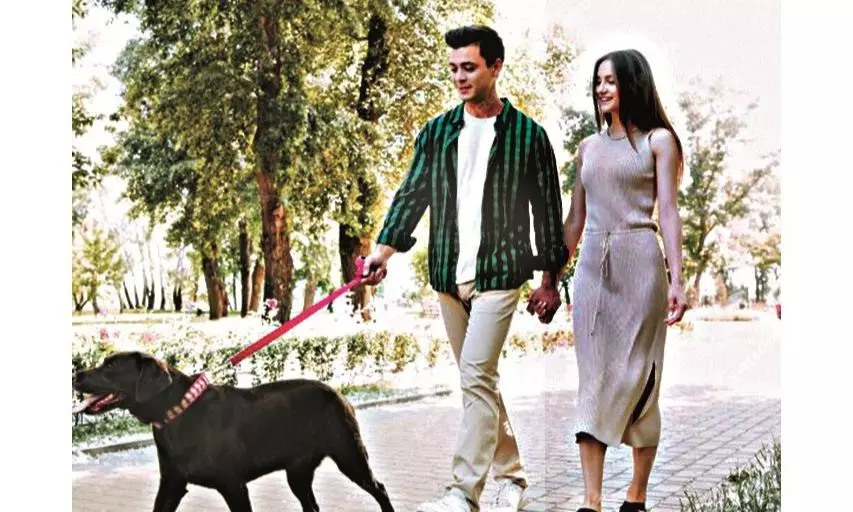
It’s time to ‘step up’ after lunch or dinner and do a heart walk and talk. Walking after meals, also known as postprandial walking, has gained popularity. The health benefits of walking are well-researched, regardless of the time of day you walk. Post-meal walking is much more than a social trend now. Several studies now support the consensus that even brief walks of 10–15 minutes immediately after meals can contribute to overall well-being.
Ayurveda describes ‘Shatapavali’ (walking at least 100 steps after a meal) as highly beneficial to overall well-being. It aids digestion, prevents heaviness and lethargy. Modern science now validates this wisdom.
Glycemic Control
Post-meal walks can help control blood sugar levels. After one consumes the food, body glucose levels rise due to the absorption of glucose into the bloodstream. “A short walk after meals encourages large muscle groups to start using the glucose that is circulating throughout our body for energy. This process allows for avoiding high blood sugar spikes after eating and increases insulin sensitivity. This is a major aspect of managing diabetes and prediabetes. A regular practice of walking after meals will lead to better Glycaemic Control and will enable one to rely less on escalating medication for diabetes related issues,” says. Dr Pranav Ghody, Consultant Endocrinologist and Diabetologist, Wock-hardt Hospitals, Mumbai Central.
Timing Matters
Physical activity is a cornerstone of metabolic health. Among all forms of daily activity, post-meal walking, especially after dinner, has emerged as a simple, low-cost, and highly effective metabolic intervention. “Multiple randomised trials show that 10–20 minutes of walking starting within 15–30 minutes after a meal significantly lowers post-meal glucose compared to either prolonged sitting or walking at other times of the day. This effect is most pronounced after dinner, when insulin sensitivity is naturally lower due to circadian rhythms. Morning exercise improves fitness and insulin sensitivity, but post-dinner walking directly targets the most metabolically vulnerable window of the day,” states Dr Rajiv Kovil, Head of Diabetology and weight loss expert, Zandra Healthcare.
Regular walks contribute to cardiovascular health, improving circulation and overall heart function. “Post- dinner walking is one of the most underutilised yet powerful metabolic tools. It requires no equipment, no gym, and no prescription, just consistency. Move after you eat. Especially after dinner. Your metabolism listens,” adds Dr Kovil.
A good time to begin walking is about 15 minutes after your last meal. “Walk at a slow, steady pace for 10-20 minutes. Do not push yourself too hard during this initial period of developing a new habit of exercise; try to develop a routine of walking every day, slowly increasing your walk time,” adds Dr Ghody.
“Individuals who are regular with post-meal walks tend to observe: less bloating, improved sugar control (particularly for diabetics). Less disposition to the accumulation of weight around the waist. Sleep better when performed after dinner. The loss of weight is slow, but this habit will be backing it silently and consistently, “says Dr Murtaza S Bagwala, Head of Emergency Medical Services, Saifee Hospital, Mumbai.
A Walk, Not A Workout
Avoid intense exercise immediately after eating. “Don’t treat post-meal walking as a workout. It is digestion maintenance, but not calorie blasting. An after-meal walk will not make up for overeating. However, walking in moderation will not add any weight and will encourage slow weight loss, particularly amongst individuals aged above 35. One who has severe acidity or GERD Premature walking may make reflux worse. Anyone who has recent abdominal surgery hernia, severe back pain, or rigid osteoarthritis should consult a doctor. Consult your doctor before adding post-meal walks into your routine,” adds Dr Murtaza.
Going for a stroll after a meal can also boost your mood. Walking regularly may reduce symptoms of depression and anxiety, lower stress, and improve mental well-being. One always has the option of indoor walking post-meals. Walking within a living room, taking stairs, or moving inside your office. Sitting at your desk continuously without any movement can increase stress. Walking a few steps at the workplace can help release endorphins and reduce anxiety.
‘The fart walks’ is a playful term and a simple way to support your digestive health. Overcome the urge to plop on the couch to watch your favourite show immediately after dinner. A consistent practice of post-meal walking can lead to various health improvements.
Post-Meal Walkers
• Katrina Kaif's nutritionist, Shweta Shah, revealed that Katrina practices Shatpavali, an Ayurvedic ritual of walking 100 steps after meals.
• Rujuta Diwekar, a celebrity nutritionist, shared on social media that a post-meal stroll helps the body process food better, improves digestion, and sets the stage for a good night’s sleep.
• Mairlyn Smith, a Canadian actor and cookbook author, vouches for the ‘fart walk’ after dinner. Smith, the "Queen of Fibre," created the term fart walk to normalise the natural release of gas that occurs during post-meal movement.
• Miranda Kerr, an Australian supermodel, practices light walking after her meals. It helps her avoid the "post-lunch slump" and maintain consistent energy levels.