How I Keep Healthy: Fit for Surgery

A back injury transformed the way Dr Tripuraneni Venkata Aditya Chowdary approached fitness. Today, the GI surgeon relies on Pilates, strength training and smart nutrition to stay strong, pain-free and ready for the demands of surgery
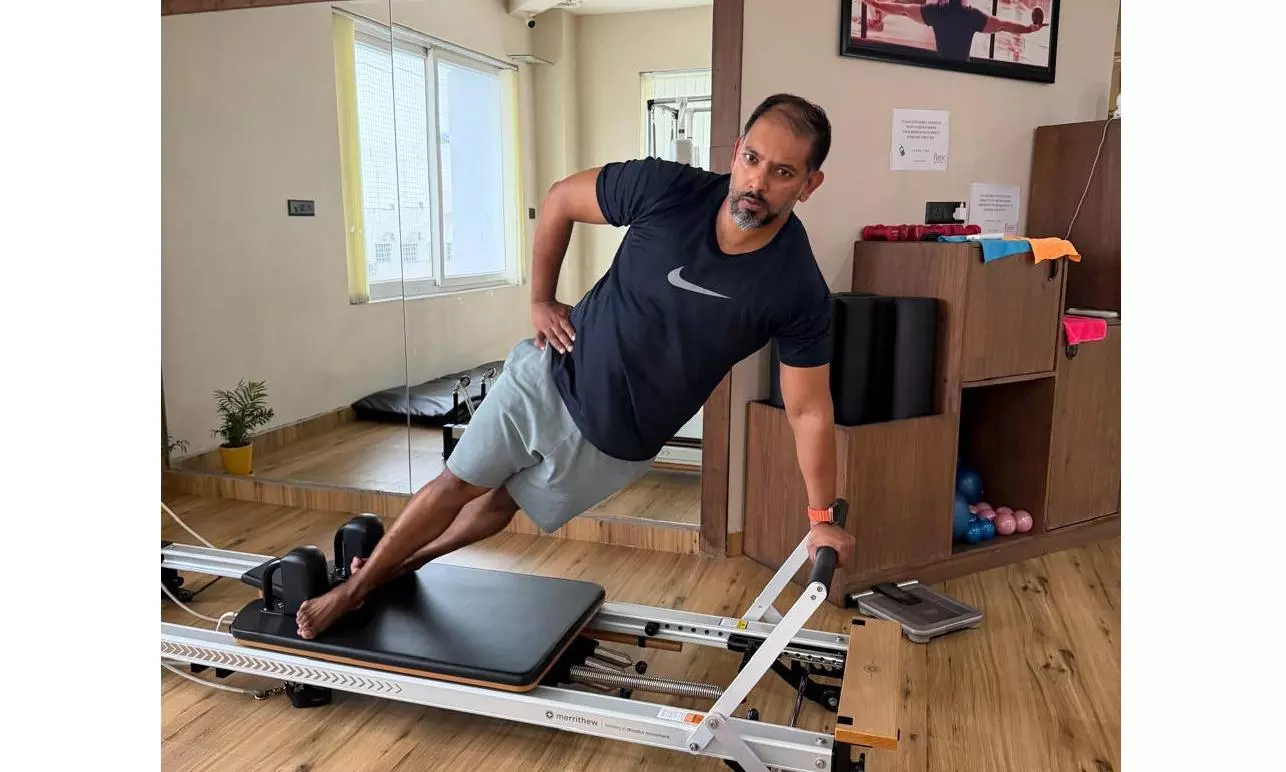
For Dr Tripuraneni Venkata Aditya Chowdary, GI Surgeon at Apollo Hospitals, fitness became a necessity long before it became a routine. Five years ago, he developed chronic back pain, a common occupational hazard for surgeons who spend hours standing in the operating theatre. Three years ago, the problem worsened after an incorrectly performed deadlift resulted in a back injury. “It was a wake-up call,” he says. “I realised that strengthening large muscle groups alone was not enough. I needed to focus on the smaller stabilising muscles that support the spine and protect the joints.”
That realisation led him to Pilates, which soon became a permanent part of his fitness regimen. The results were transformative. The pain disappeared, posture improved and mobility increased. Today, Pilates sits alongside weight training, running and yoga in a programme designed for both performance and longevity.
THE 5 AM RULE
Like most surgeons, Dr Aditya’s schedule is demanding and unpredictable. His days begin with surgeries at 8 am and continue with consultations, patient reviews and, at times, emergency procedures that stretch late into the night. Even Sundays are rarely completely off. To ensure fitness doesn’t get sidelined, he works out before the day begins. His alarm rings at 5 am. “The best time to exercise is before work takes over. Once the day starts, there are too many variables you cannot control,” he says.
FITNESS THROUGH VARIETY
Dr Aditya believes one of the biggest mistakes people make is relying on a single form of exercise. His weekly routine combines weight training four times a week with Pilates and running twice a week. Sundays are reserved for HIIT and yoga. “People often focus on one form of exercise and ignore everything else. The body performs best when different systems are trained together,” he says.
EATING FOR PERFORMANCE
Nutrition requires just as much discipline. “Surgeons probably have some of the worst eating habits because work schedules can be so unpredictable,” he admits.
Over the past year, he has focused on increasing his protein intake, aiming for nearly 150 grams a day. To stay on track, he carries meals from home and keeps protein bars handy during long workdays. He also uses collagen supplements a few times a week as part of his recovery strategy.
RECOVERY MATTERS TOO
Fitness does not end when the workout is over. Outside the gym and operating theatre, recovery comes through simple pleasures. Listening to music helps him unwind, while Sunday lunches with friends offer an opportunity to disconnect from work and recharge mentally.
