Calorie Count Stays on the Right Track

From stigma to self-care, calorie tracking is being reclaimed as a tool for long-term health
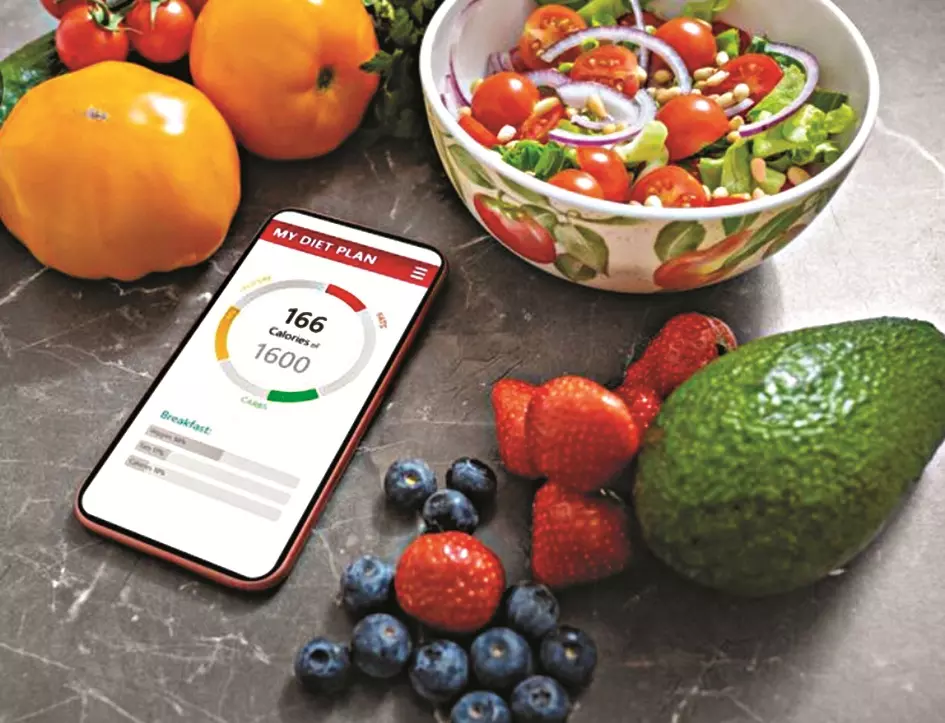
For decades, calorie tracking has lived under a cloud of stigma. It was seen as a practice reserved for obsessive gym-goers, rigid dieters, or people struggling with eating disorders. The very idea of logging every bite or scanning every food label was often mocked as excessive, joyless, or even unhealthy.
Yet, beneath that reputation lay something more nuanced — a powerful tool that, if used gently and mindfully, could help people understand their habits and make informed choices. Today, as India and the rest of the world grapple with lifestyle diseases, sedentary work culture, and mental health stressors, calorie tracking is being reframed. No longer a symbol of restriction, it’s being embraced as a quiet form of self-care and accountability.
A New Narrative
The new conversation around calorie tracking is not about shrinking bodies — it’s about expanding awareness. Nutritionists, health coaches, and everyday users are steering the practice away from guilt and towards growth. Instead of counting calories to achieve an unrealistic number on the scale, people are using the data to learn how food affects their energy, mood, and overall well-being.
“Calorie tracking is not the villain,” says Dr. Rashi Bhandari, a clinical nutritionist. “The problem was never the tool, but how we used it. When tracking becomes about self-punishment, it harms you. But when it’s about curiosity — asking ‘What fuels me best?’ — it becomes empowering.”
This shift mirrors a broader cultural change: the rise of mindfulness in everyday health. Just as meditation and journaling are used to tune inwards, calorie tracking is being reframed as a way to tune into one’s eating patterns — not to control them, but to understand them.
Awareness vs. Obsession
Modern approaches to tracking are gentle, flexible, and focused on awareness rather than obsession. For many users, it’s not about achieving a fixed number but observing trends: how certain foods make them feel, when hunger naturally strikes, and how social or emotional factors influence their meals.
Health professionals are now encouraging “soft tracking” — using apps or journals periodically to check in, rather than logging every crumb. It’s less about control and more about reflection.
According to Priyanka Acharya, a Mumbai-based diet coach who works with corporate clients, “We often underestimate how disconnected we are from our food. Tracking for even two weeks can reveal powerful insights — like hidden sugar intake or skipped protein. It’s a mirror, not a measuring stick.”
Lifestyle Changes
India’s changing lifestyle has a lot to do with this reimagining. With rising rates of diabetes, obesity, and hypertension, there’s a growing awareness that prevention begins with daily choices. Urban professionals, who may not have time for elaborate wellness routines, find that a simple log of meals provides structure and accountability without the need for radical diets.
At the same time, the cultural context around food is evolving. Traditional Indian meals, once shared and home-cooked, are being replaced by restaurant takeaways and processed snacks. Tracking offers a way to reconnect with mindful eating — not by rejecting cultural foods, but by understanding portion sizes and nutritional balance within them. Importantly, the new wave of tracking tools is adapting to local needs. Indian-specific food databases, AI-assisted recognition for regional dishes, and apps that include traditional meals like dal, idli, and roti have made the process less alienating. The result is a growing comfort among Indians to use digital tools that respect their cuisine and culture.
The Right Balance
Of course, experts still caution against extremes. Over-tracking or attaching moral value to food can lead to anxiety or disordered eating patterns. The healthiest approach, they say, is balance — tracking when it helps, stepping away when it starts to dominate.
“Awareness is healthy. Obsession is not,” says Dr. Shaurya Menon (clinical nutritionist). “I tell my clients: You are not your calorie count. Food is information, not judgment.”
That balance extends to the purpose of tracking as well. Rather than chasing quick results, users are encouraged to focus on long-term outcomes like steady energy, improved digestion, better sleep, and reduced risk of disease. Calorie awareness becomes part of a larger self-care ecosystem that includes movement, rest, and emotional wellbeing.
Daily Mindfulness
For many, calorie tracking has quietly become a form of daily mindfulness. Office workers log lunches to stay aware of midday habits. Parents use tracking to model healthy eating for their children. Even older adults, once skeptical of “fitness apps,” are using them to manage portion sizes and maintain energy.
It’s no longer about perfection, but presence. The act of logging food — even imperfectly — encourages people to pause, reflect, and make small adjustments that accumulate over time.
In this sense, calorie tracking has come full circle. What was once seen as obsessive is now being recognised as a thoughtful way to care for one’s future self. As India embraces a more balanced, science-backed understanding of health, the message is clear: numbers aren’t everything, but awareness can be transformative.
A Longevity Tool
In the end, calorie tracking’s revival says less about dieting and more about maturity — a cultural readiness to see food as nourishment, not numbers. When used wisely, it helps bridge the gap between intention and action, between knowing and doing.
The stigma is fading, replaced by a new philosophy of self-care that values awareness over anxiety. In a world where health often feels complicated, perhaps the quiet act of paying attention — one meal at a time — is the simplest form of empowerment we have.
