Decoding Holistic Balance for Perfect Health Outcomes

30 Oct 2025 7:46 PM IST30 Oct 2025 7:46 PM IST
The idea of ‘nira’ struck us during a time when both our physical and personal needs became evident. We realised that these needs can be combined, creating a purposeful approach to wellness.
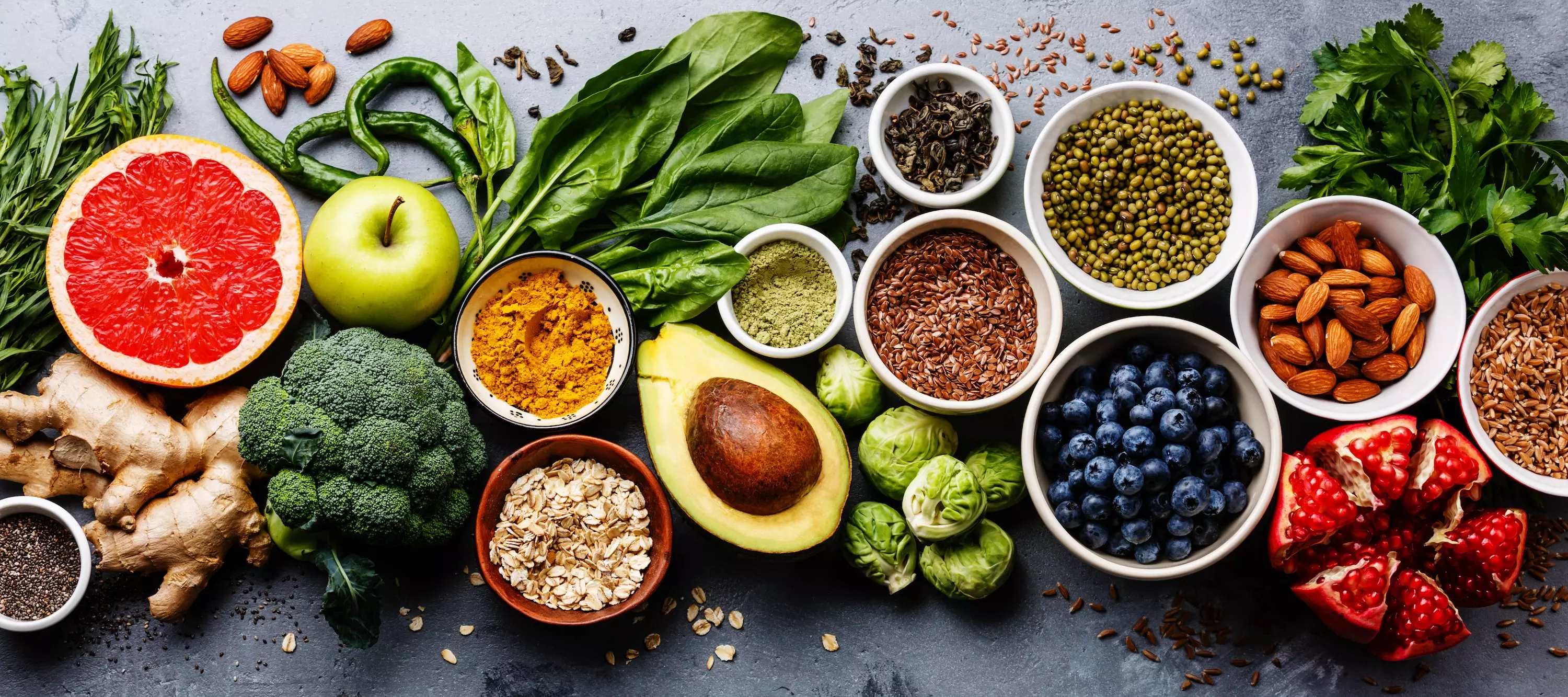
Representational Image/Linkdln
In conversation with Ritesh Bawri, Founder and Chief Science Officer at nirā balance
Years ago, a stark warning about his deteriorating health pushed Ritesh Bawri to confront lifestyle diseases head-on. What followed was a remarkable personal transformation: weight loss, reversal of chronic conditions, and a renewed sense of vitality. But Bawri didn’t stop at his own journey. Armed with academic training from Harvard Medical School and Tufts University, he set out to explore how evidence, tradition, and personalisation could reshape healthcare. The result was nirā balance, a wellness platform named after the Sanskrit word for “pure water,” symbolising clarity and flow. Here, Bawri shares why lasting health is less about quick fixes and more about balance, science, and sustainable change.
1. When did your wellness journey begin?
The idea of ‘nira’ struck us during a time when both our physical and personal needs became evident. We realised that these needs can be combined, creating a purposeful approach to wellness. In this fast-paced world, the question arises: how much time can a person actually dedicate to physical fitness? Is it just an hour in the gym, or perhaps a scheduled day dedicated to physical activities for the entire week? Who is responsible for suggesting the diet plan, and what scientific evidence supports it?
So, we thought of ‘nirā balance’. And why did we select ‘nirā’? The word nirā comes from Sanskrit, meaning pure water. It symbolises flow, clarity, and life force that each one of us should focus on in life. Clarity of mind on a deeper level is difficult to achieve when we are not rested or attending to the physical needs of our bodies. This is one area where physical and emotional health reflect each other. Rest your body, and rest your mind to achieve balance and the flow capacity.
2. What inspired you to create a hyper-personalised health platform?
See, after studying physiology at Harvard Medical School and nutrition at Tufts University, and going through more than 700 reference books, over 6,000 medical journals, and completing certificate programmes, including a short course at Stanford University, I believe there needs to be something different in the way we approach personal healthcare. Isn’t this an era where everything is connected to technology? We have smart watches and all the gizmos, but do we really have the time? Who is deciding our diet? Along with our loved ones, someone you trust the most, perhaps a cook, also plays a vital role in this on your busy schedules. And how well can they know your physical goals and dietary plan? So, the idea of nirā, I think, is relevant and formed in my mind.
3. How does nirā balance differentiate itself from others in the wellness space?
We know many apps suggest a dietary plan, but how many offer one for your cook? See, we are not giving a generic plan applicable to a particular segment. We are personalising it for you according to your physical structure and body demands. Moreover, as we have mentioned in our #asknira campaign, we are directly guiding the cook or personal dietician to take you through the food programme as per your body requirements. We are also not making random suggestions, but using a pyramid of evidence, which means we rely on a hierarchy of scientific research where stronger, more thoroughly validated studies support our recommendations. We try to reach the root cause of lifestyle health issues, not just the symptoms. For example, iron deficiency can increase the risk of breast cancer six times. So rather than treating surface symptoms, we address foundational imbalances, which we call going to the root of the problem. That is what ‘nirā balance’ represents.
Ritesh Bawri, Founder and Chief Science Officer at nirā balance
4. Can you talk about the science driving the programme?
Ok, let me exemplify this with the example of turmeric, which features in many global studies about diseases such as diabetes, blood pressure, and heart health. We glean a meta-view from the analysis of multiple scientific studies and make sure that every aspect of the science we rely on is cross-disciplinary, evidence-based, and deeply researched. For the wellness of our clients, we always aim to stand out from the cluttered wellness market, and it is not the role of a nutritionist that we are exploring. Our motto is also different from that of a wellness practitioner.
We believe in an evidence-based methodology which focuses on root cause diagnostics and suggests necessary outcomes, showing how they can be beneficial to the individual. It is the science of balance and the art of living well. Together they help an individual reclaim health and redefine life. The nirā balance app is more than a tool; it is a blueprint for lasting wellbeing, combining personal health data with nutrition science. In partnership with leading innovators in wearable technology, it supports lifestyle choices with precision and world-class care, while continuously tracking health to maintain equilibrium across key areas. This includes digestive balance, addressing hyperacidity, constipation, gas, poor digestion, and low immunity. Through metabolic regulation, issues such as high blood sugar, fatty liver, weight concerns, and insulin resistance are managed. Attention is also directed towards cardiovascular health by addressing high cholesterol, elevated blood sugar, and arterial blockage.
Overall, the science driving the nirā balance programme is rooted in a cross-disciplinary, evidence-based methodology, focusing on personalized wellness through advanced diagnostics and measurable outcomes rather than conventional nutritionist advice.
5. What do you mean by “reversal and zero dependency”?
The five basic food groups in India, as defined by the Indian Council of Medical Research (ICMR), are cereals, grains and products; pulses and legumes; milk and meat products; fruits and vegetables; and fats and sugars. But in our country, with its rich cultural diversity and varied food traditions, there is a wide range of preparations and culinary practices. Different cereals and millets are part of our diet, but how many follow the right combination? While promoting a zero-dependency platform for food across Indian states, it is important to formulate health-promoting recipes and diets that are region and culture-specific. A standard portion size or recipe common to all regions of India is not possible. Hence, our zero dependency plans include a diet plan that minimises reliance on specific, difficult-to-obtain, or overly restrictive food items, supplements, or habits, and instead promotes what is available in each region.
6. How did your personal health transformation shape the brand’s mission?
My journey towards wellness began with a moment I will never forget. At a dinner in the United States, a professor looked at me and said, ‘You are going to die.’ Those words struck me deeply, and medical tests soon confirmed what I had feared: my health was deteriorating rapidly.
I chose not to ignore the warning. Through deliberate yet straightforward changes to my diet and lifestyle, I reversed years of damage. I lost weight, overcame chronic conditions including Type II diabetes, hypertension, hyperacidity, asthma, and insomnia, and regained energy I believed was lost for good. In time, I felt compelled to help others take charge of their health in the same way. To deepen my understanding, I immersed myself in nutrition science, cellular biology, and preventive health, and pursued certifications in physiology from institutions such as Harvard Medical School and Tufts University School of Medicine.
I co-founded BreatheAgain in Kolkata with my wife, Dimple, more than a decade ago. Since then, we have worked with people across the world on their health and wellness journeys. We are now taking the next step by evolving into nirā — a companion designed to support daily living with intelligence, personalisation, and care. With nirā, my aim has been to unite the precision of modern diagnostics with the wisdom of traditional practices. By combining bio-individual nutrition with behavioural science, we seek to create a framework that adapts to each person’s needs, circumstances, and long-term goals.
7. What kind of results can clients realistically expect?
From our experience, we have helped people reverse diabetes, lose weight, and recover from serious illnesses. We even have case studies where our dietary plan helped someone go from six insulin shots a day to none. What we offer is a complete package that can transform lives in 75 days. We have seen people cry with joy after getting results. nirā balance offers weight loss in 90 days, change in blood sugar levels in three months, noticeable improvement in digestion, which is the root cause of many physical illnesses, in four weeks, and maintaining blood pressure at desirable levels in six weeks. These are some of our offerings, which we believe are not just claims but come from our experience.
8. Who is the program most effective for?
The nirā balance program is most effective for high-performing individuals who seek to reclaim their energy, clarity, and longevity through personalized and science-powered wellness protocols. It is designed for people who demand strategic, evidence-based well-being rather than general lifestyle wellness and want to optimize their performance, resilience, and overall health.
nirā balance offers individuals the option to choose the most suitable plan from four main pillars that are essential for a healthy life: Preventive Health Intelligence, Transformational Reset, Integrative Life Balance, and Comprehensive Peak Synergy. Within each category, programmes such as Kenzen, Mirai, Noboru, Henshin, Kaika, Seishin, and Nagai Iki are available, varying in duration and approach.
Each plan also provides a specialised feature, training the household cook. This includes guidance in preparing selected recipes, maintaining hygiene, and managing kitchen practices, with personalised menus designed specifically for the client.
( Source : Deccan Chronicle )

Next Story