Early-onset colon cancer among the under-50 population has raised alarm bells, are low-fibre, high-protein diets fuelling it? Doctors offer some food for thought
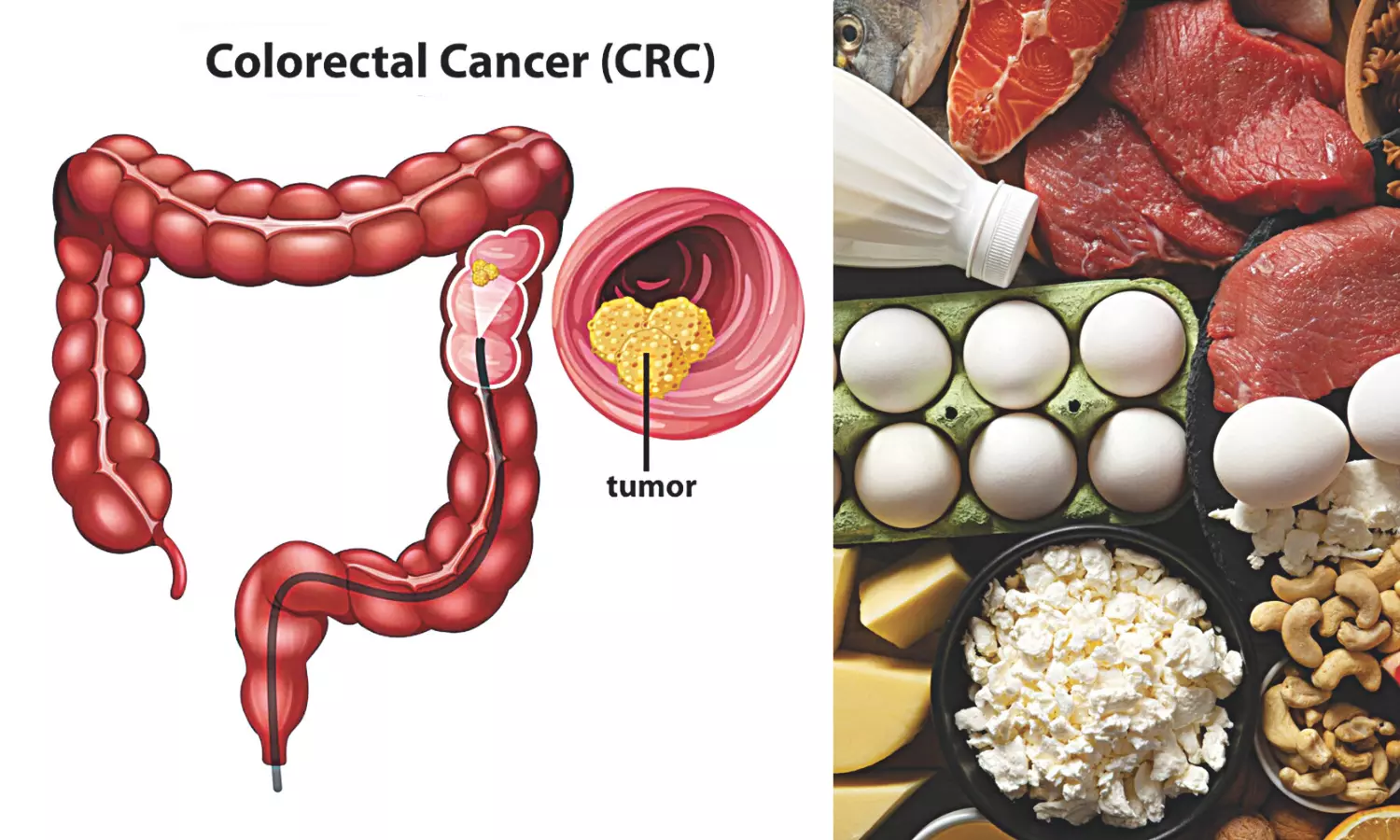
Reprsentational Image
In recent years, oncologists have been sounding the alarm over a disturbing trend: The rise of early-onset colon cancer in younger adults, particularly those under the age of 50. While genetics and lifestyle factors have long been implicated in colorectal cancer, experts are increasingly concerned about the role of modern dietary habits—especially low-fibre, high-protein diets often favoured by fitness-focused individuals.
The Fibre Talk
Modern health and fitness culture emphasizes lean bodies, muscle gain, and high-protein nutrition. However, these protein-rich diets often come at the cost of dietary fibre—an essential component for gut health. Medical experts are now warning that the decline in fibre intake may be contributing to the increasing incidence of colon cancer among younger populations.
“There is a link between low-fibre, high-protein diets and early-onset colon cancer in younger adults,” stated Dr. Gaurav Jaswal, Consultant Radiation Oncologist at TGH Oncolife Cancer Centre. “Poor gut health, inflammation, and lack of protective nutrients from fibre-rich foods may lead to the surge. However, apart from diet, red and processed meat, alcohol, and tobacco can also be risk factors.”
There is more than one culprit – Diet is one of the several factors, While diet certainly plays a significant role, it isn’t the only factor at play. Dr. Salil Patkar, Consultant Medical Oncologist at Medicover Hospitals in Navi Mumbai, points out that early-onset colon cancer is multifactorial. “There is a link between low-fibre, high-protein diets and the increasing incidence of early-onset colon cancer. However, in my practice, I haven’t seen a case wherein the cancer has only resulted due to a low-fibre diet. Many have suffered from it due to family history, inflammatory bowel diseases, and obesity,” he noted.
That said, Dr. Patkar acknowledges that dietary patterns are still a significant contributor, particularly when combined with other risk factors. “Though a low-fibre diet is not the sole cause, it is certainly a contributing factor for colon cancer.”
Diet & Digestive System
So, what makes fibre such a powerful defender against colorectal cancer? Dietary fibre plays a crucial role in maintaining a healthy digestive system. It helps regulate bowel movements, supports beneficial gut bacteria, and reduces chronic inflammation—all of which are essential in lowering the risk of colon cancer.
“Dietary fibre tends to support gut health by promoting regular bowel movements and reducing inflammation, which in turn lowers the chances of colorectal cancer,” explained Dr. Jaswal. “For fitness-focused individuals under 50, neglecting fibre may raise the chances of suffering from cancer.”
Dr. Patkar echoed these sentiments: “When one eats fibre in the amount recommended by experts, it can help to prevent colorectal cancer by regulating the bowels and reducing the inflammation of the gut. Remember to pay attention to gut health and add fibre to the diet. You can have fresh fruits, vegetables that are loaded with fibre and stay healthy.”
Fitness Culture Paradox
In the age of protein shakes, ketogenic diets, and gym-focused lifestyles, many young adults are prioritizing physical fitness over holistic health. These diets often favour meats, protein powders, and low-carb meals, while vegetables, legumes, and whole grains—the primary sources of dietary fibre—are minimized or overlooked.
This trend, experts warn, may be shortsighted. By focusing exclusively on muscle gain and physical appearance, individuals may be compromising long-term gut health and increasing their risk for serious illnesses like colorectal cancer.
Simple Dietary Changes
Fortunately, the solution isn’t complicated or expensive. Increasing fibre intake through whole foods can significantly reduce colorectal cancer risk. Foods like lentils, oats, leafy greens, carrots, beans, whole grains, and fruits are not only rich in fibre but also packed with antioxidants and nutrients that support overall health.
For those under 50, especially those engaged in rigorous fitness routines, doctors recommend a balanced approach: Keep up the protein, but don’t ignore the fibre. Small changes, such as including salads, whole grains, or fruit smoothies in daily meals, can go a long way in maintaining gut integrity and reducing inflammation.
The Final Takeaways
The rise of early-onset colorectal cancer is a complex issue influenced by genetics, lifestyle, and diet. However, as emerging evidence and expert opinions suggest, modern dietary patterns—specifically low-fibre, high-protein diets—may be playing a bigger role than previously recognized.
By shifting focus from short-term aesthetics to long-term health, particularly gut health, younger adults can take meaningful steps toward cancer prevention. As Dr. Patkar succinctly put it: “Pay attention to gut health. Add fibre to your diet. Stay healthy.” In a world where dietary trends shift rapidly, one thing remains constant: health starts in the gut—and dietary fibre is its foundation.
( Source : Deccan Chronicle )


Next Story