Why the Best Asian Food Begins Long Before the Wok is Fired

As Kolkata's appetite for Asian cuisine grows more adventurous, kitchens are moving beyond familiar favourites to celebrate technique, authenticity and fresh ingredients. A conversation with Santanu Ray, Chef de Cuisine at JW Marriott, Kolkata, reveals how the smallest details often create the biggest flavours.
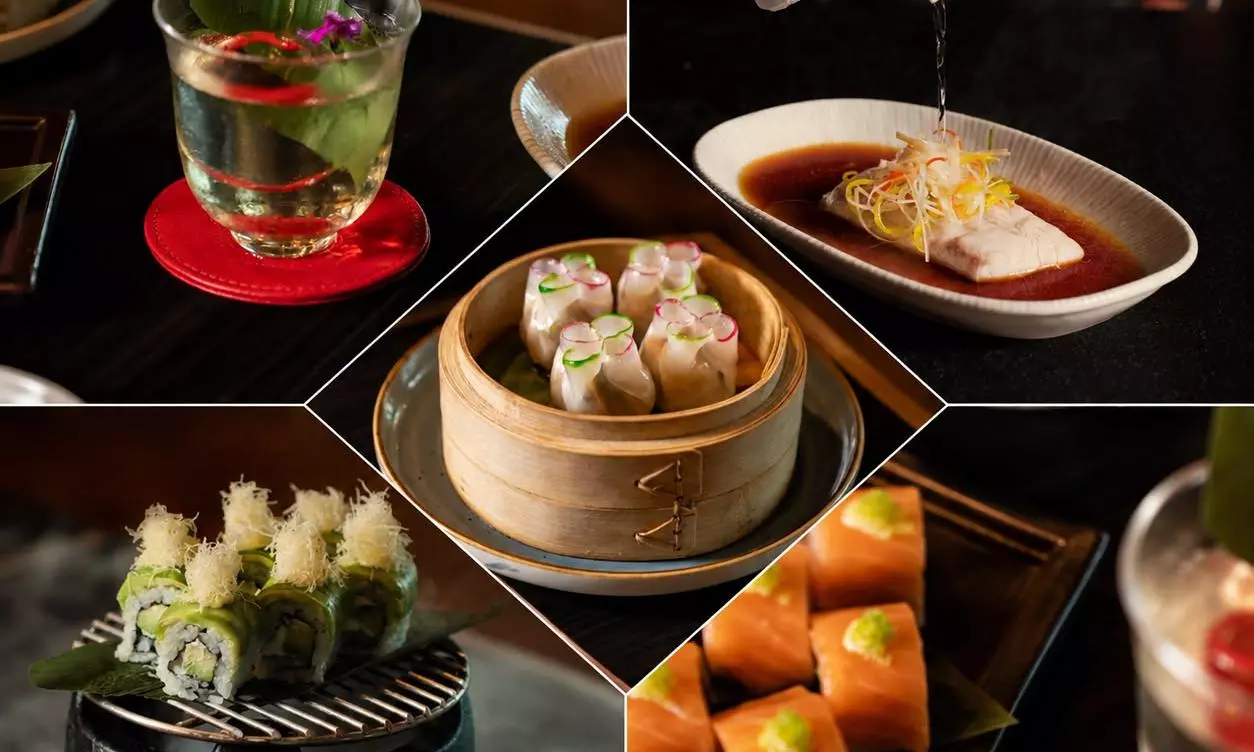
The first thing Santanu Ray wants to make clear is that authenticity is never accidental. It comes from choices that begin long before the first order reaches the kitchen. From hand chopping ginger and garlic to making sauces in house instead of relying on ready made versions, every decision is about protecting flavour rather than saving time.
Shantanu Ray, Senior Chef De Cuisine, Vintage Asia at JW Marriott, Kolkata
"We don't want to go for Indo Chinese. Most people buy sauces from the market. We make most of the things in our kitchen. What comes from a can loses its flavour after opening. But when you make it fresh, you get a completely different flavour," says Shantanu Ray, Senior Chef De Cuisine, Vintage Asia at JW Marriott, Kolkata.
That philosophy is what sets the restaurant apart in a city where many Asian menus still revolve around familiar comfort dishes. Ray is careful not to compare chefs or restaurants, insisting every kitchen has its own journey, but he believes Asian cuisine has evolved and menus should evolve with it. Instead of depending on the expected line up of classics, his menu reflects a wider spectrum of Chinese, Thai and Japanese influences, while keeping the focus on technique.
The menu has grown at Vintage Asia has expanded from around 35 dishes to well over a hundred. Seasonal festivals and limited edition menus keep it changing through the year, whether it is a lighter Puja menu designed for quicker service and dietary preferences or specially curated Thai and festive offerings.
For Ray, authenticity is often hidden in details invisible to diners. Stir fried vegetables are finished with a touch of lime leaf and dried red chilli that adds aroma to the dish without overwhelming it. Wild pepper seasoning is roasted and blended in house. Pumpkin sauce, kung pao sauce and even fermented pickled chilli sauce are prepared from scratch, each demanding patience before they ever reach a plate.
One of the most fascinating examples is the pickled chilli sauce, where whole chillies, garlic, ginger, leeks and spring onion are soaked for over a week before being introduced in dishes. The result is a gentle fermented complexity that cannot be replicated with bottled ingredients.
As the Asian head chef, Ray says these techniques come from years spent learning under master chefs across specialist Asian kitchens. "I learnt from the master chefs that authentic cooking is about the right proportion of ingredients, understanding when to add them and how much to use. Those small techniques completely change the final taste of the food."
The same thinking extends to ingredients. Norwegian salmon, Japanese yellowtail, soft shell crab, New Zealand lamb and imported lotus stem find their place alongside fresh herbs, some of which come from the property’s own herb garden at JW Marriott, Kolkata. So it is not about luxury, but more about respecting the character of each ingredient.
The signatures naturally reflect this approach. There are delicate crystal dumplings made with potato starch instead of corn flour. Other signatures include pork bao, burnt garlic chicken, butter chilli garlic prawns, mushroom with house made wild pepper, olive fried rice prepared with Japanese olive paste (a must try), and slow cooked lamb shank that remains attached to the bone until the first bite.
His understanding of Asian cuisine also extends to the dining experience itself. If a guest orders two rich gravy dishes together or combines multiple spicy preparations, he believes a chef should walk over and suggest a better pairing. Cooking, for him, does not end at the pass.
That perhaps reflects why Ray speaks just as passionately about balance as he does about flavour. He points out that much of Asian cuisine is naturally lighter, relying less on heavy oils and more on fresh vegetables, carefully built sauces and quick cooking techniques.
"Asian food is generally healthy. If you want a quick lunch before a meeting, you can have sushi, dim sums or a meal bowl and you won't feel heavy at all."
Even the dim sums reflect changing eating habits. They are now softer, bite sized and made without refined flour, allowing diners to enjoy a basket before moving on to other courses instead of filling up too quickly.
In many ways, that seems to capture the direction in which Kolkata's Asian dining scene is heading. Diners are becoming more curious, more open to Japanese flavours and more interested in the stories behind what lands on the table. And in kitchens like Vintage Asia, food is not about dramatic presentations, but about the quiet confidence of sauces patiently made from scratch, ingredients treated with care and techniques that let the food speak for itself.
