The Red Miracle: How Watermelon Became India’s Summertime Salvation

From Mughal cravings to colonial ice houses, the watermelon has been more than a fruit — it’s been a cultural balm for centuries of Indian summers.
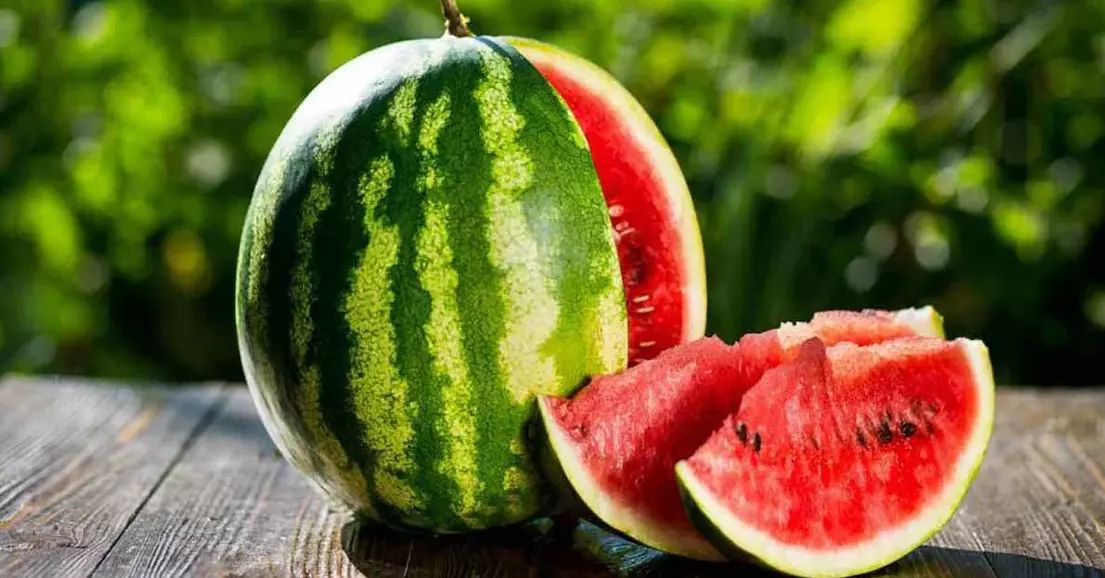
In the heat of an Indian summer, when the sun bakes the ground and the air swelters, the watermelon arrives — quietly, magnificently. Plump, spherical, earth-colored — it is more than a fruit; it is a salve. A benediction. A refrigerating verse in the fiery poem of May.
Watermelon — or tarbooj, kalingad in Marathi — has long been more than a seasonal treat in India. Traditionally seeded in the sandy riverbeds of the Mula and Mutha rivers in Poona (now Pune) as early as February, the fruit would ripen into full orbs by April and May. It was a staple in bazaars, an inspiration for menus, and, most intriguingly, a token of diplomacy and status during colonial times.
European officers posted in India found the watermelon both refreshing and strategic. Though ranked below Persian and Spanish melons, Indian varieties — especially those from the banks of Lucknow’s Gomti or from Peshawar — were proudly presented. In 1870s Bombay markets, they fetched a guinea each and were shipped to governors’ summer residences, wrapped in respect and sugary pulp.
But well before Europeans made it a diplomatic offering, watermelon had already captured the heart of the Indian summer. Babur, founder of the Mughal dynasty, longed for the watermelons of Samarkand, while other sources trace its origin to Kandahar — or even further, deep into the African interior. Yet, who cares where it was born? The watermelon belongs to the world — and to every parched heart that seeks its cooling balm.
To eat a watermelon is not merely to consume, but to meditate.
Those who chase mangoes do so in the spirit of indulgence. But those who seek peace and patience — who yearn for the quietude of satiation rather than its clamor — turn to watermelon. They chill it in cold water, cut it solemnly, sprinkle a pinch of salt, and savor what tastes like a prayed-for answer. It melts in the mouth like snow — an experience Europeans once likened to the iced fruits of their own countries. In Indian homes, it is a whole well of sweet water in one heavy sphere.
In colonial Poona, upscale eateries like F. Cornaglia and Muratore served watermelon ices alongside champagne and strawberry flavors, establishing an elite culture of frozen delights. Housewives experimented with recipes from European books like The Complete Practical Confectioner (1890), even using saccharometers — glass sugar-testing tools originally meant for urine — to perfect their syrups. Watermelon was pounded, strained, frozen, colored to resemble exotic melons, and served on simulated vine leaves. It was science, art, and love — on a plate.
Today, that tradition lives on — not necessarily with saccharometers, but with the same reverence of spirit. Watermelon cocktails chill garden parties; slices line refrigerator trays in middle-class homes; bicycle vendors carry them through cantonments; and in village wells, they float like red orbs of good luck. Whether consumed in silence or laughter, they are always eaten with gratitude.
Because in the end, watermelon is not just a fruit. It is a survival ritual — a holy, edible prayer that transforms the brutality of summer into a season of grace. The more fiercely the heat bites, the more this unassuming miracle is needed. And in a world forever carving out borders, perhaps it’s time we remember: the watermelon knows none. It belongs to the earth, the sun, and the soul.
And in that, perhaps, so do we.
Written by Hariom, University of Hyderabad, Intern
