Untold Story of India's Dak Bungalow Tables Unveiled at NHA

A forgotten chapter of India's travel history finds new life on the plate as Chef Amanna Raju recreates the flavours, stories and culinary influences that once defined the kitchens of colonial-era dak bungalows at Novotel Hyderabad Airport (NHA) every Sunday, all of July
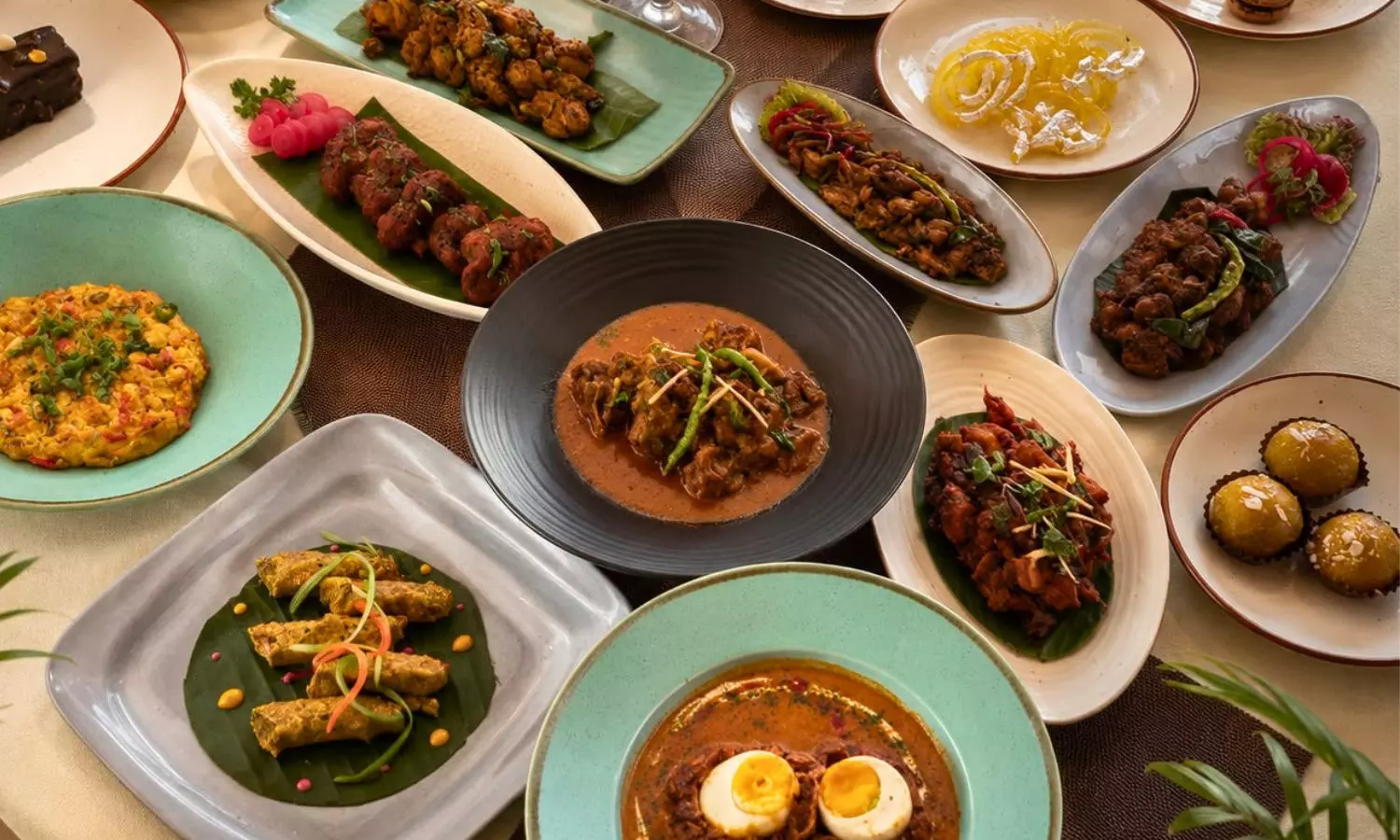
Long before airports, expressways and luxury hotels transformed travel, weary travellers looked forward to one thing at the end of a long journey: a warm meal waiting at a dak bungalow. This monsoon, Novotel Hyderabad Airport brings that nearly forgotten culinary tradition back, blending history with comfort food and plenty of stories along the way.
There are meals that satisfy hunger, and then there are meals that carry stories. The food once served in India's dak bungalows belonged firmly to the latter. Built as resting places along travel routes during the colonial period, these modest government lodges quietly became kitchens where Indian ingredients met British tastes, giving birth to recipes that still linger in memory, even if their origins have faded with time.
That forgotten chapter fascinated NHA Executive Chef Amanna Raju and his team member, Chef Vinay, enough to build an entire monsoon dining experience around it.
"It started with the monsoon," he says. "We wanted to create a monsoon menu, and then we thought about what the rains meant during the British era. They hardly travelled during this season because malaria and other diseases made long journeys dangerous. They stayed back in dak bungalows, and these kitchens developed their own style of cooking."
For Chef Raju, the menu is not only about recreating colonial recipes, but also about revisiting a fascinating period of culinary exchange. The kitchens inside these bungalows were often run by Indian cooks preparing meals for British officers, resulting in recipes that borrowed freely from local ingredients while adapting to European preferences.
"These dishes were never completely Indian or completely British," he explains. "There was always an Anglo-Indian touch. Pepper became important, coconut milk found its way into several recipes, and gradually a cuisine of its own evolved."
His interest in that era extends well beyond food. Years spent working in Chennai exposed him to one of India's oldest Anglo-Indian communities, where many of these recipes have survived in family kitchens.
"I already had a fair idea because I lived in Chennai for a long time," he says. "There is a large Anglo-Indian community there. My executive sous chef and I researched together, looked through historical references, compared them with my own experience and then recreated these recipes."
That curiosity appears across the menu. Familiar dishes such as pepper chicken, railway mutton curry, prawns cooked in coconut milk, Colonial Lamb Seekh Kebab and cauliflower kebabs sit alongside comforting vegetarian preparations that beautifully acknowledge the European influence on Indian cooking. Even the humble pairing of cauliflower and potatoes, Chef Raju points out, became immensely popular during that period.
He is equally fascinated by the way ingredients travelled across continents. Chettinad spices, tea, curry powders and even tonic water tell stories of trade routes, migration and empire.
"Madras curry powder is a perfect example," he says. "Every Indian state has its own curry powder. The British standardised one version and used it everywhere. That yellow Madras curry powder became their invention, while our spice blends continued changing from region to region."
History, according to him, is never confined to textbooks. It lives inside recipes.
Novotel Hyderabad Executive Chef Amanna Raju
Our conversation then shifts from food to migration, from the Anglo-Indian community to the movement of Indians across Suriname, Fiji and Canada during the colonial years. Every anecdote somehow circles back to the plate.
"I have always been interested in that era," he says. "There are so many stories connected to it. I wanted to take that interest and bring it into the cuisine."
Of course, recreating history comes with compromises. Tastes have evolved dramatically over the decades, and faithfully reproducing every recipe would probably leave today's diners underwhelmed.
"If I cooked exactly the way they did then, many people wouldn't enjoy it," Chef Raju admits. "The gravies were much thinner and milder. They were made to be eaten with bread. Today's gravies are richer and thicker. Ingredients like cashew paste, almond paste and khus khus have become much more common now."
Access to spices has changed as well.
"Back then, many spices weren't easily available to everyone," he says. "Only the upper sections of society had access to them. Today everything is accessible, so naturally the cuisine has become richer and more vibrant."
The menu does not remain trapped in history, though. Alongside its colonial inspirations sits an elaborate World Chocolate Day-inspired dessert selection, celebrating chocolate's remarkable ability to pair with a surprising variety of flavours.
"Chocolate has one of the highest pairing values," he says. "It works beautifully with peanuts, almonds, hazelnuts and many other ingredients. We wanted people to enjoy that as well."
What stands out through the conversation is that Chef Raju rarely speaks about himself alone. Every achievement circles back to his kitchen brigade.
"There isn't a single chef in the world without a good team," he says with a smile. "Nobody can do this alone. Leadership matters, guidance matters, but ultimately it is the team that brings every idea to life."
That philosophy extends to the menu itself. While Chef Raju provided the historical direction, he readily credits his Executive Sous Chef and the rest of the culinary team for helping shape the final experience.
Perhaps that is what makes this brunch more than another themed buffet. Instead of simply presenting old recipes, it allows diners to slow down and imagine another time, when journeys stretched over days instead of hours, monsoon showers could halt travel altogether, and a humble dak bungalow kitchen became a meeting point for cultures, ingredients and stories.
The result is not nostalgia for the colonial past, but an appreciation of the unexpected culinary legacy it left behind. Every bowl of Mulligatawny Soup, every spoonful of railway mutton curry, every serving of pepper chicken or vegetable preparation inspired by those kitchens carries echoes of travellers who once paused, rested and shared a meal before continuing their journey.
Sometimes history is best remembered not in museums, but around a dining table.
