International Tea Day 2026: 7 Tea-Related Facts You Probably Didn’t Know

21 May 2026 6:19 PM IST21 May 2026 6:19 PM IST
Tea bricks were often exchanged for goods such as horses, wool, salt, and food along ancient trade routes. In some remote regions, they remained in use as currency well into the 20th century.
Representational Image
Did you know that tea is the second-most-consumed beverage in the world after water? Every day, billions of cups are enjoyed across cultures and continents. From traditional tea-drinking customs to popular café trends that we see today, tea has a fascinating history filled with surprising stories. Here are some more interesting facts about tea that you probably didn't know:
1. All True Teas Come From Camellia sinensis
Whether it’s black tea, green tea, white tea, oolong, or pu-erh, all true teas come from the same plant species, which is Camellia sinensis. The difference between these teas comes from how the leaves are processed, particularly through oxidation, drying, and fermentation.For example, green tea is minimally oxidised, while black tea is fully oxidised, giving it a darker colour and stronger flavour.
2. Tea Leaves Naturally Absorb Odours
Tea leaves are highly absorbent, which means they can soak up moisture and odours from the surrounding environment. Because of this property, used or dried tea leaves are sometimes placed in refrigerators, shoes, cupboards, or even cat litter boxes to help reduce unpleasant smells naturally. This is also one reason why tea should always be stored in airtight containers away from strong-smelling foods or spices.
3. Tea Bricks Were Once Used as Currency
In several parts of Asia, especially Tibet, Mongolia, and parts of China, compressed tea bricks were once used as a form of money. These solid blocks of tea were easy to transport, lasted a long time, and held real trade value. Tea bricks were often exchanged for goods such as horses, wool, salt, and food along ancient trade routes. In some remote regions, they remained in use as currency well into the 20th century.
4. Green Tea Was First Valued for Medicine
Green tea was originally consumed in ancient China for medicinal purposes long before it became an everyday beverage. Historical records and Chinese legends trace tea drinking back thousands of years, with Emperor Shennong often linked to its discovery. Because green tea is less processed than black tea, it retains many natural compounds such as catechins and antioxidants. Modern research continues to study green tea for its possible benefits related to heart health, metabolism, and reducing oxidative stress.
5. Black Tea Is the World’s Most Consumed Tea
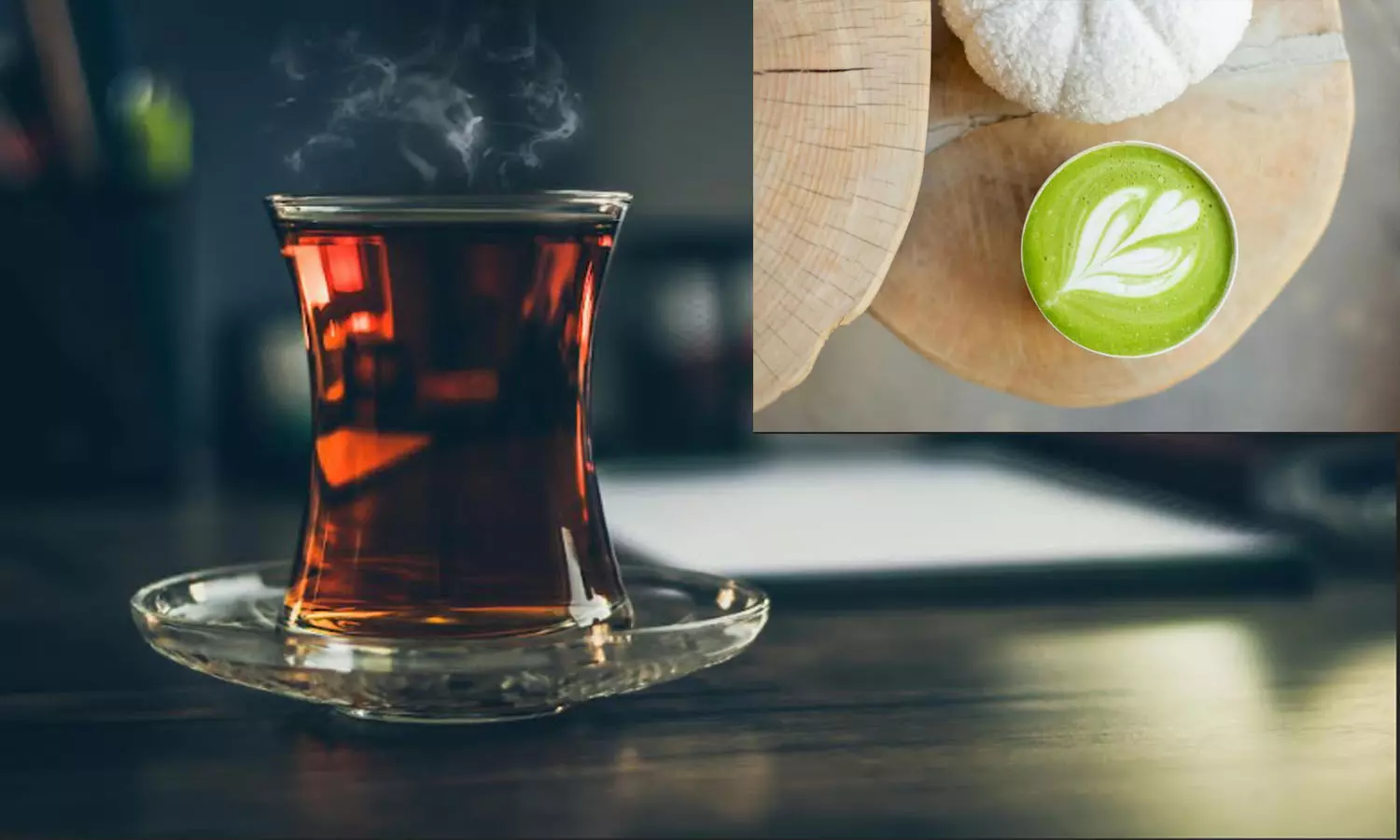
Black tea accounts for around 75% of global tea consumption, making it the most widely consumed tea variety in the world. It is especially popular in countries such as India, the United Kingdom, Türkey, and Pakistan. Its strong flavour, long shelf life, and ability to pair well with milk, sugar, spices, or lemon have contributed to its worldwide popularity.
6. The Boston Tea Party Changed History
One of the most famous events involving tea took place on December 16, 1773, in Boston, America. Protesters angry over British taxation boarded ships and dumped large amounts of tea into Boston Harbour. The protest became known as the Boston Tea Party. The event intensified tensions between Britain and the American colonies and became one of the key moments leading to the American Revolution and eventually the formation of the United States
7. Matcha Was Once Used by Samurai Warriors
Matcha, the finely ground powdered green tea from Japan, was popular among Buddhist monks and later among samurai warriors. Samurai are believed to have consumed matcha before battles because it provided calm focus and sustained energy. Today, matcha is popular worldwide across younger generations.
This article is written by Amatallah Waheed, a student of EFFLU, interning with Deccan Chronicle.
( Source : Guest Post )

Next Story