Everyday Foods, From Thalis to Pakoras, Turn Pricier Amid Oil Crisis

Import duty hikes, cooking oil crisis reshaping Indian kitchens
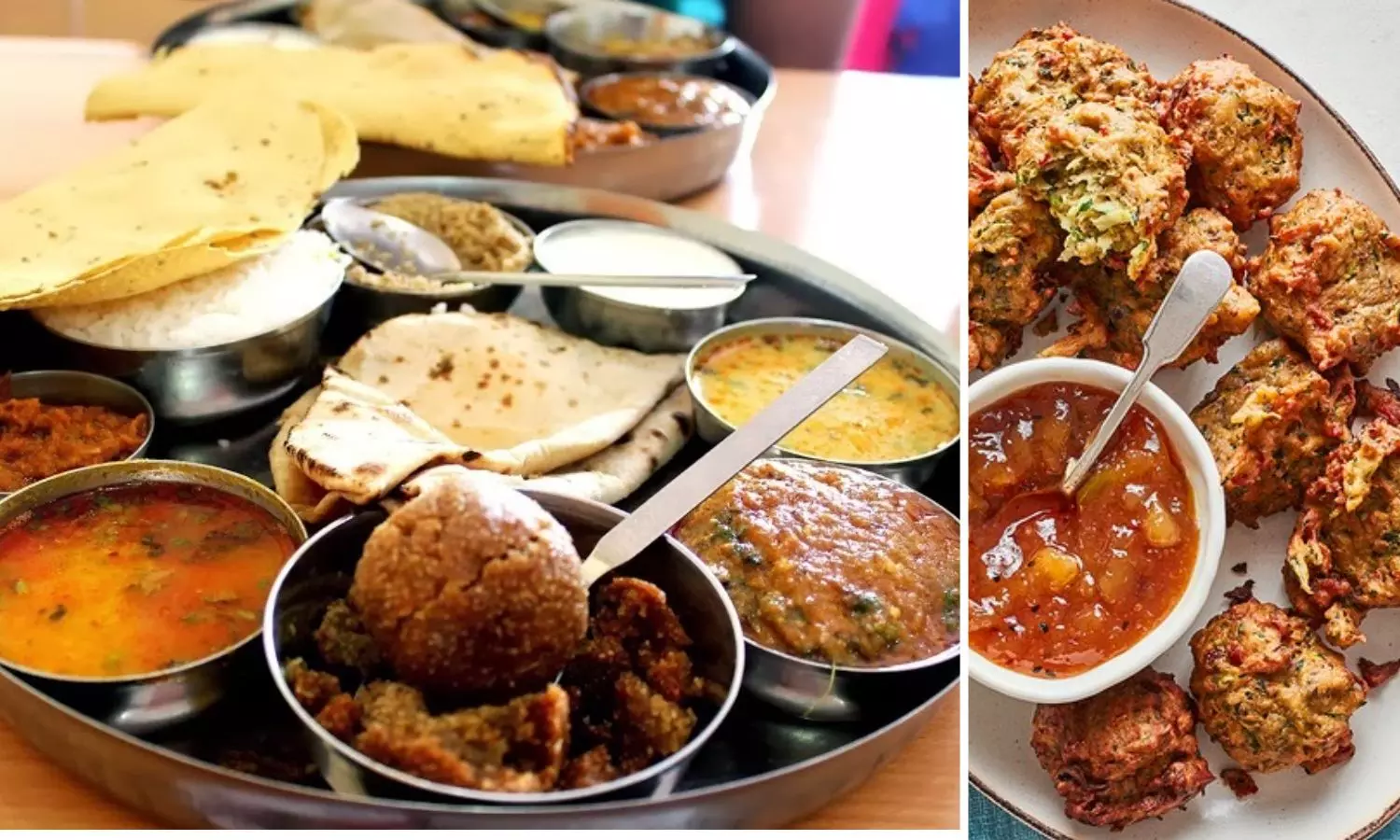
The affordability of everyday meals in India is under threat as recent hikes in import duties for edible oils and oilseeds have caused significant price surges. With palm oil duties now at 32.5 per cent for refined products and 27.5 per cent for crude variants, the cost of cooking oil has soared, directly impacting the common man's kitchen budget.
India, which meets 57 per cent of its edible oil demand through imports, relies heavily on palm oil, which constitutes 59 per cent of these imports. The dual blow of rising international palm oil prices and increased import duties has resulted in a staggering 65 per cent price hike. This has disproportionately affected lower-income households, for whom even slight cost increases in essentials like cooking oil create substantial financial strain.
For many rural families, balancing already limited budgets has become a challenge. Cooking oil, once a staple, is increasingly seen as a luxury. The crisis stems not only from import duties but also from the government’s apparent disconnect with the realities of rural households already grappling with inflation, poor agricultural yields, and delayed monsoons.
India produces about 5-6 per cent of the world’s oilseeds and exported 3.46 million tons of oil-related products in FY 2022-23, valued at ₹14,609 crores. However, domestic edible oil production meets only 43 per cent of the country’s demand, making imports crucial. The government’s September 2024 hike in duties on palm, sunflower, and soy oilseeds aimed to promote local agriculture but has inadvertently deepened the struggles of rural and lower-income households.
Adding to the irony, the Food and Agriculture Organization (FAO) Vegetable Oil Price Index, which had peaked during the Russia-Ukraine war in March 2022, has now moderated to November 2020 levels globally. This suggests Indian consumers are paying disproportionately higher prices for cooking oil compared to other nations.
The rise in cooking oil prices not only affects home kitchens but also small food businesses reliant on affordable oils for making staples like samosas and pakoras. While affluent urban consumers may turn to alternatives like air fryers, lower-income families are left with dwindling options.
This escalating crisis calls for urgent intervention. Policies must be devised to alleviate the burden on vulnerable households while addressing the broader challenges of self-sufficiency and global economic alignment. Until then, the humble thali and pakora remain at risk of becoming luxuries for many.
