Dietary Guidelines Encourage Households to Diversify Cooking Oils for Better Long-Term Health

The guidelines reinforce that health outcomes are shaped by overall dietary patterns rather than any single ingredient.
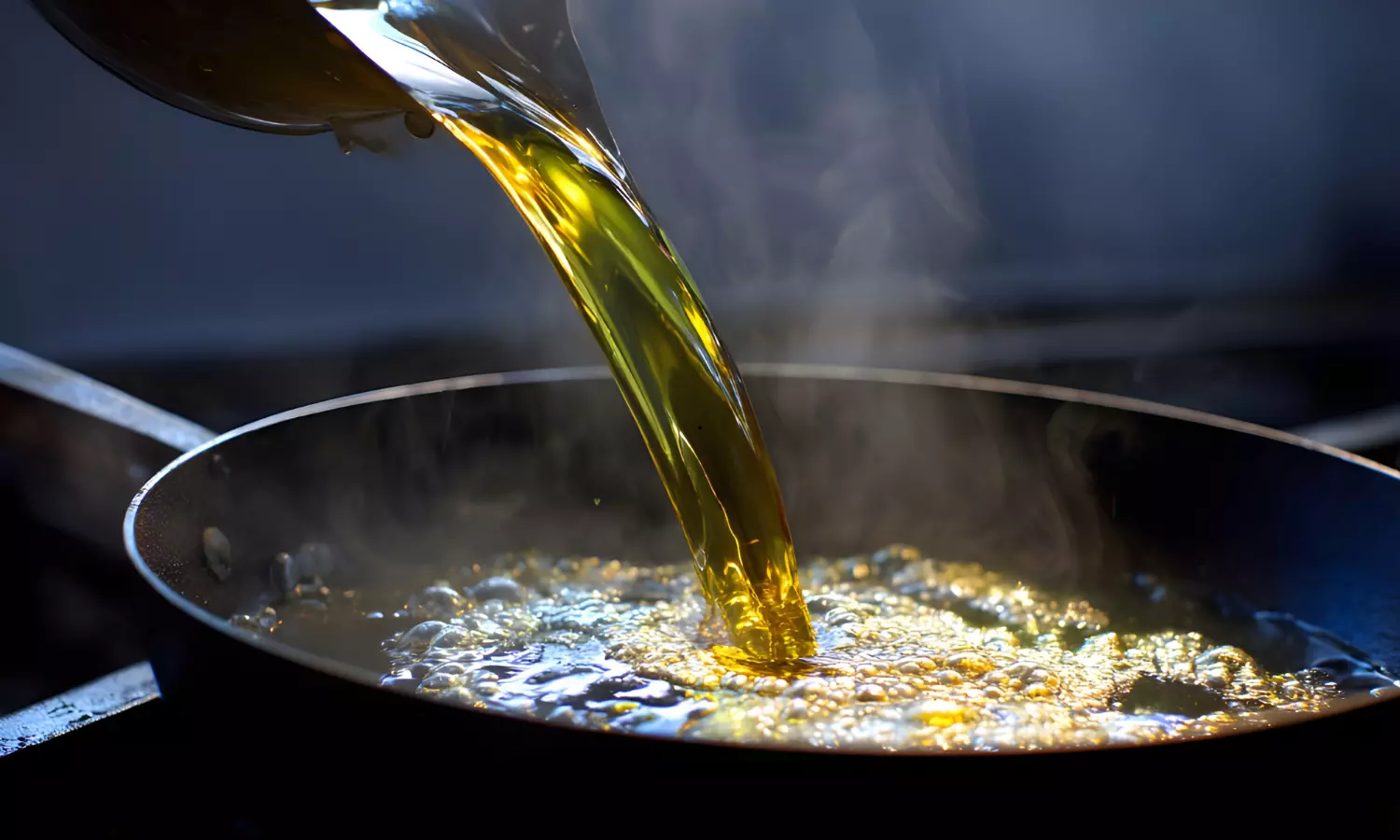
Sunflower oil, a staple in millions of Indian households, is being increasingly re-evaluated by researchers and public health bodies as new evidence emerges on long-term dietary fat balance and chronic disease risk.
The ICMR’s recommendation to diversify cooking oils marks a significant shift in the way Indian households approach everyday nutrition and heart health. At Tasty Gold Heartiva, this philosophy has always been at the core of our product design. By combining multiple oil sources, we aim to provide a balanced Omega-3 and Omega-6 profile that supports heart health while meeting the needs of daily Indian cooking,” said Uday Nukala, Founder of Sri Tulasi Industries.
Long regarded as a light, affordable, and “healthy” cooking oil, sunflower oil has remained largely unquestioned in everyday kitchens. However, evolving nutritional science suggests that exclusive, long-term dependence on a single oil may contribute to an imbalance in essential fatty acids, with potential long-term health implications.
This is not about declaring sunflower oil harmful. Rather, it reflects a growing concern that routine, exclusive consumption over years may quietly contribute to metabolic and inflammatory imbalances that surface later in life.
Sunflower oil is naturally rich in Omega-6 fatty acids, which the body requires but cannot produce. Modern diets already contain high levels of Omega-6 through processed foods, while Omega-3 intake—found in foods like walnuts, flaxseeds, and fish—often remains low.
When this balance skews over time, the body’s ability to regulate inflammation may be affected. Chronic low-grade inflammation is now recognized as a contributing factor in cardiovascular disease, hypertension, and metabolic disorders. Institutions such as the Harvard T.H. Chan School of Public Health and the Indian Council of Medical Research have highlighted this as a growing concern.
Sunflower oil also contains polyunsaturated fats that are chemically unstable at high temperatures. Prolonged heating, deep frying, and repeated reuse can cause oxidation, forming free radicals and reducing nutritional quality. In Indian households where such cooking practices are common, this risk is further amplified.
The concern is especially relevant in South India, and Telangana in particular, where sunflower oil has become the default cooking medium over decades. At the same time, the region has seen a rise in lifestyle-related conditions such as hypertension and cardiovascular disease, driven by multiple factors including diet and reduced physical activity.
In May 2024, the Indian Council of Medical Research (ICMR) and the National Institute of Nutrition (NIN) released updated Dietary Guidelines for Indians, emphasizing moderation in fat intake and greater diversity in cooking oils. No single oil is nutritionally complete. Sunflower oil offers Vitamin E, mustard oil provides a better Omega-3 profile, and rice bran oil contains gamma-oryzanol linked to cholesterol management and antioxidant benefits.
The guidelines reinforce that health outcomes are shaped by overall dietary patterns rather than any single ingredient.
Experts suggest that rotating cooking oils or using blended oils may be a practical step to improve fatty acid balance without changing cooking habits.
Blended oils available in the Indian market, including Saffola Total, Gemini, Fortune, and Heartiva, combine multiple oil sources to offer a more balanced fatty acid profile while maintaining familiar taste and usage patterns.
Sunflower oil is not the enemy. However, emerging science suggests that long-term exclusive dependence on it may contribute to nutritional imbalance. The growing consensus is simple: diversity in cooking oils may matter more for long-term health than reliance on any single “healthy” option.
