Deccan-e-dawat: A Journey Through The Royal Flavours of Nizams

The unique star of this menu is the ‘ghosh ka marag’, an excellent start to this gastronomical adventure whose taste will elevate to a more premier status when it is combined with their special charkoni naan
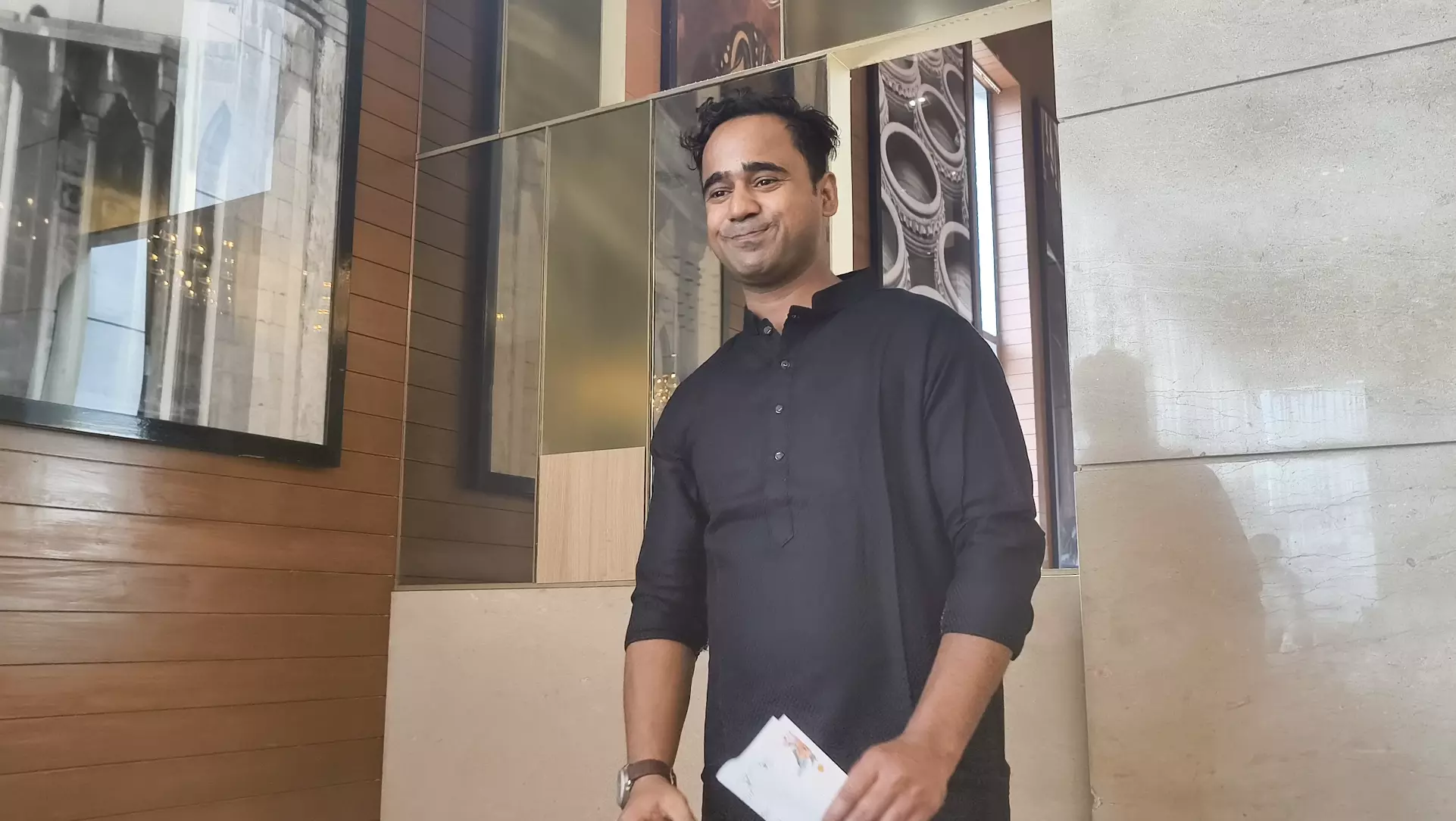
Sheraton Hyderabad is hosting a new pop up with the tag ‘Daawat-e-Deccan’ which translates to the feast of the Deccan region, and it involved a special menu curated by their in house chef Qadri SK, where he mentioned that the uniqueness of Deccan cuisine confluences the Mughlai, Persian and South Indian traditions together creating an enigmatic and rich experience.
The menu featured a wide range of dishes catering both to the vegetarian and non-vegetarian palettes, which includes some unique dishes such as matar ki lukmi, veg shami kebab, along with the most loved pathar ka gosht, murg shikanja in their appetizer menu. The usual main course included lip-smacking Hyderabadi mutton biriyani along with the unique accompaniments such 'Hyderabadi shaadi wala murgh (also known as Red Chicken), hare mirch ka tala hua gosht (mutton curry cooked with green chilies), and Ambada Jhinge (shrimp cooked in a sorrel leaf based paste), which are to be savored along with two choice of breads: rumali roti or mirchi paratha.
The unique star of this menu is the ‘ghosh ka marag’, an excellent start to this gastronomical adventure whose taste will elevate to a more premier status when it is combined with their special charkoni naan.
After a truly sublime culinary luncheon, two reporters from Deccan Chronicle sat down for an exclusive interview with Head Chef Qadri SK, to uncover fascinating perspectives on his craft and kitchen philosophy. Excerpts from the interview:
To kick things off chef, can you tell us about your journey with Hyderabadi cuisine?
From the past 11 years I have been trained and specialized in Hyderabadi cuisine. After I’ve completed my hotel management course, the primary city for my training was Hyderabad and when I came to this city in the year 2015, there were certain cultural differences that I have observed for instance, the place where I come from, the food there is not as spicy as the Hyderabadi food and later I have made several friends and along with them started exploring more food places in Hyderabad and around the Old city especially, Where I got introduced to the Nizami delicacies like the mutton marag, tala hua gosht, kacche gosht ki biryani and I’ve developed a fondness as this food was so tasty, flavorful while equally not being too spicy at all.
Is there a difference between deccani and nizami cuisine?
Actually, deccani cuisine has evolved from the nizam's time and basically this is a mix of the local Hyderabadi & Telangana cuisines paired with the royal taste's of the nizam. Whereas, at the moment as we speak, Telangana and Andhra cuisine have been separated and now what remains is the nizami cuisine, and what I feel is the cross connection between these two cuisines actually gave the opportunity to form what is called as deccani cuisine.
As the Deccan cuisine concentrate more on meats, do you feel that certain vegetarian dishes like khatti dal and mirchi ka salan and other veg dishes are important?
Absolutely, vegetarian dishes are also equally important as the non-veg ones. Not everybody consumes meat. Some people may also prefer to pair their non-veg dish with some veg dishes because many people cannot tolerate as the body generates a lot of heat due to eating protein alone. And mainly the non-veg dishes are protein concentrated and for good health it is equally important to take fiber along with these protein and in such way I feel that pairing the meaty dishes up along with our special green salad will surely help in balancing the palate.
Can you tell us about how did you make the amazing mutton marag? It tastes so different than the ones we’ve had in other restaurants.
The marag that we prepare in our kitchen involves a combination of cashew nuts, pistachios and almonds. In other restaurants due to cost cutting they use a bit of lower quality ingredients, so you almost find it a bit spicy. But that’s not the case here. Here, the paste made out of these dry fruits is united with the mutton bone broth and is cooked slowly with patience rather than hurrying it up, it creates a very complex and creamy texture balancing both rich and creamy notes that is soothing for the palette. And that is basically the secret behind our marag. And even though it’s intimidating to eat the marag on it’s own, I suggest everybody to pair it up with our Charkoni naan for an even more flavorful taste and makes your mind feel relieved. This again stems from the nizami tradition where-in they used to serve this special soup to the guests while the cooking will be in progress.
What are some of your favorite dishes out of this curated menu?
Every dish means a lot to me. First I want to shout out the shaadi wala lal chicken which is predominantly served in Muslim marriages in the city and it is the most loved curry that people would like to eat along with naan. And also I must say tala hua gosht is the trademark appetizer of deccani cuisine, whose preparation itself fascinates me till now. And of course, who could forget about the world famous Hyderabadi Dum biriyani, the process of making which I’ve especially named as the ‘Kache gosht ki biriyani’ and this style involves layering with half cooked rice along with meat, which is so different from the other biriyanis that they make in various states.
What is your recommended veg dish out of this menu?
I highly recommend the gawar ki fali till ka salan from our menu (Cluster Beans). Because, cluster beans are mostly used in local dishes and also it is easily available in the market and aside from that it is so tasty as well as mild when it’s transformed into a salan because then it can be easily paired and can be eaten with either rumali roti or with rice as well.
Why did you choose to feature zarda pulao on the menu over more traditional Hyderabad favorites like double ka meetha or qubani ka meetha?.
‘Zarda Pulao’ is a very special dish which is mostly originated from the middle east, but travelled here through the Nizam’s influence. The persian word ‘Zard’ translates to Yellow color. It’s similar to the Tahari, using basmati rice as the base but is instead a sweeter version. My unique touch to this dish is the addition of a lot of dry fruits. Even though this a simple dish, it has a lot of character and significance.
The Deccan-e-dawat event is taking place from 18th February, to 22nd February, 2026, where you can taste these amazing delicacies. The timings for Lunch are from 12:30 PM to 3:00 PM and the timings for Dinner are from 7:00PM in the evening to 11:00PM. The prices per person is ₹2800.
This article is written by Yoga Adithya and Naga Adithya, students of Loyola Academy, Secunderabad, interning with Deccan Chronicle.
