Onamaalu Uttarandhra Edition: Bringing Back Forgotten Flavours at The Culinary Lounge

Chef Sowjanya’s culinary showcase brings rare Srikakulam, Vizianagaram, and Vizag recipes to city diners
What is it about home that we miss the most when we go out? Well, food to begin with. No matter how gourmet or elaborate the offerings are, nothing beats the comfort of home-cooked food…agree?
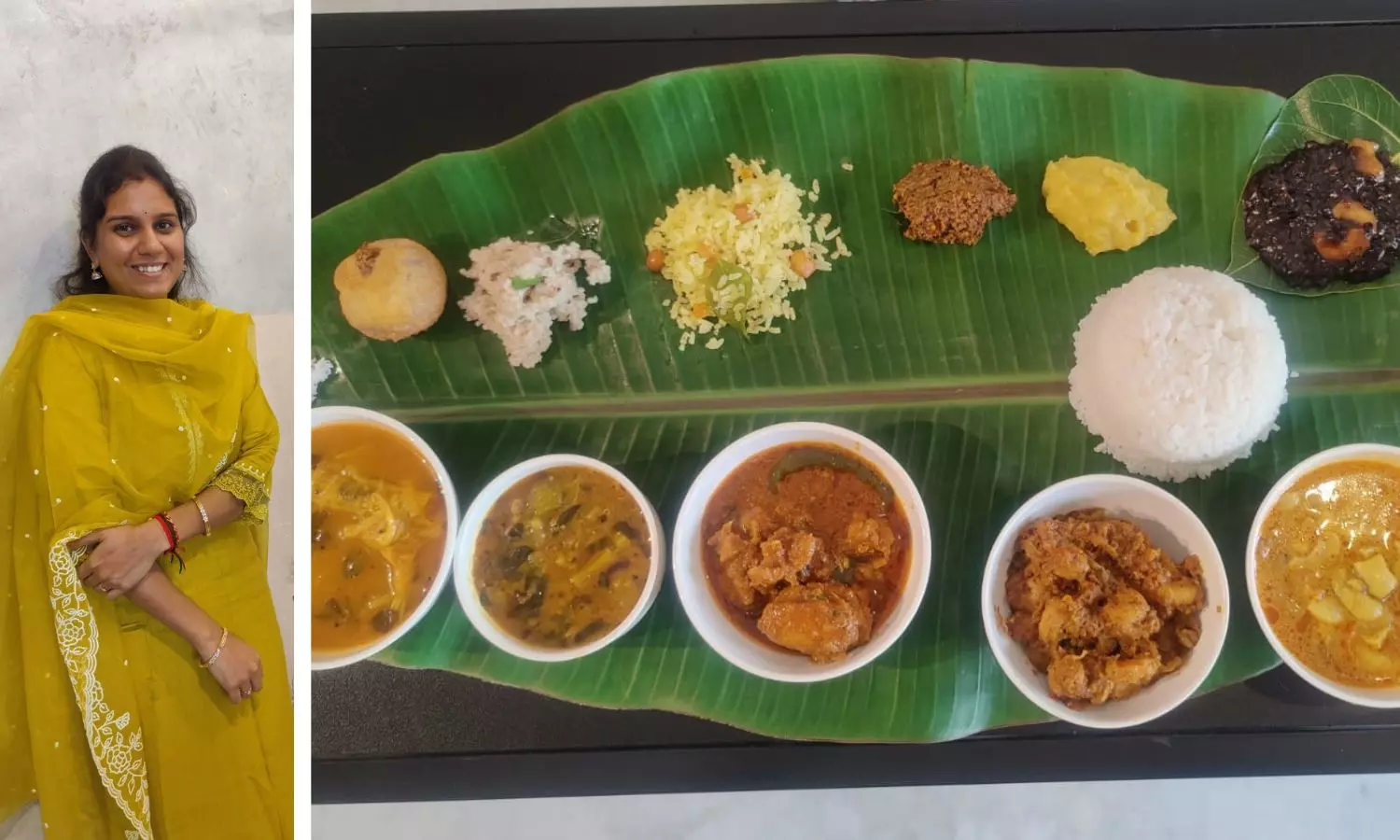
This thought forms the foundation of Swaadishtam, Chef Showjanya’s culinary initiative that brought the rustic, rarely explored dishes of Uttarandhra to Hyderabad through a special pop-up at The Culinary Lounge. Over ten unique vegetarian and non-vegetarian dishes from Srikakulam, Vizianagaram, and Visakhapatnam—the three districts that make up Uttarandhra—were served, many of which even seasoned foodies hadn’t heard of before.
“I was born and brought up in Srikakulam,” she shares. “After my 10th, I moved to Vizag and then after marriage to Vizianagaram. So I have spent significant time in all three districts of Uttarandhra. That whole belt is part of my identity.”
Her passion for food is deeply rooted in her love for tradition. “I have always been fascinated by the science behind our customs. I wanted to understand why certain combinations of ingredients were used, and what made our ancestors eat in a particular way,” she explains. “That’s when I started reading the works of Dr. G.V. Purnachandra. He inspired me to dig deeper into our regional food. That was the beginning of Swaadishtam.”
For someone who hasn’t tried Uttarandhra cuisine before, the sheer variety at the pop-up was an eye-opener. There was so much vegetarian food and it was all so tasty that the guests didn’t even want to try the non-veg options at first. They felt full and satisfied because of the uniqueness of the dishes. These are things they had never tasted before.
So what exactly was on the menu?
We started with Aavapindi Pulihora—a rice dish flavoured with mustard and lemon, tempered with red chilies. “Mustard or Aava is a key ingredient in Srikakulam cooking. It’s used in most of our dishes, especially when tamarind or lemon is involved. We usually pair it with menthulu (fenugreek),” she says.
Then there was Oodala Thalimpu, which is barnyard millet tempered with ghee, chilies, and curry leaves. “Millets are common in our region, especially among farmers. We just boil them and temper them—it’s that simple.”
Next up was Minumala Pacchadi, a fiery black urad dal chutney. “This is a homemade coarse chutney—it’s very traditional, very Andhra. We grind it roughly to preserve the graininess.”
Another standout was the Jeedipappu Kobbari Paala Koora. “This dish uses pachi jeedipappu, or raw cashews, cooked in coconut milk. Not the dried, store-bought ones—these are fresh, straight from Palasa, which is known for its cashew cultivation.”
Matki Pappu, a moth dal stew cooked with methi leaves, represents food from tribal areas in Vizianagaram. “It’s wholesome, earthy and deeply nourishing,” she says.
Even though every single dish served was outstanding, one that beat them all was Guna Chaaru. It’s a thick broth made from raw jackfruit and moringa leaves, balanced with tamarind and jaggery. It’s paired with mashed toor dal—it’s hearty and comforting.
Even the desserts spoke of deep-rooted traditions. Junugula Boorelu, for instance, is made from red jowar. “Junugulu belongs to the cowpea family. It’s available only during Karthika Masam—November to December. We used to prepare it with ridge gourd, coconut, or as a sweet during the season,” says Sowjanya.
Another special treat was Kala Bhatti Paramannam—a dessert made with native black rice, jaggery, and coconut, delicately flavoured with cardamom and camphor. “It’s so unique to our region. And it’s not just about taste—it has cultural significance too,” says Sowjanya beaming with pride.
While Sowjanya herself is now vegetarian, the non-veg dishes were handled by the team at the Onamaalu community initiative. Highlights included Royyala Vepudu, a dry prawn dish tossed in shrimp and chili masala, and Kodi Koora, a chicken curry made in Jatapu tribal style.
So how different is Uttarandhra cuisine from the rest of Andhra Pradesh? I ask. “We don’t use too much chili powder,” she explains. “You will find more of black pepper (miriyalu) in our cooking. It’s less red in colour, and slightly milder in spice compared to Rayalaseema or Telangana food. Also, we add a touch of sweetness—not like Karnataka where they use a lot of jaggery, but just a hint. It’s balanced,” she adds.
Sownjanya believes regional food isn’t just about flavour—it’s about geography and climate. “See, I strongly feel that a recipe is created based on the weather and the produce of that area. That’s why it’s always said—eat what grows within 50 km of where you live. Our ancestors knew this. They used local millets, pulses, jackfruit, leafy greens—all of which were seasonally available.”
Sowjanya’s mission is to bring these dishes back to the mainstream. “These aren’t just recipes. They are memories. They are part of who we are. Preserving them is like preserving a piece of ourselves.”
So what’s next for Swaadishtam?
“For now, I have been sharing everything on Instagram,” she smiles. “I want to document more lost recipes, especially those that were passed down orally. There’s so much knowledge in our homes that’s quietly disappearing. I just want to bring it all back—one dish at a time.” And if this pop-up was anything to go by, she’s already well on her way.
