Chef VP Singh Puts Authentic Punjab on a Plate at Gingerfire

A Punjabi pop-up at the Hilton Hyderabad's Gingerfire celebrates tradition, patience, and deeply rooted flavours with Chef VP Singh bringing the art of slow cooking and authentic Amritsar flavours to Hyderabad
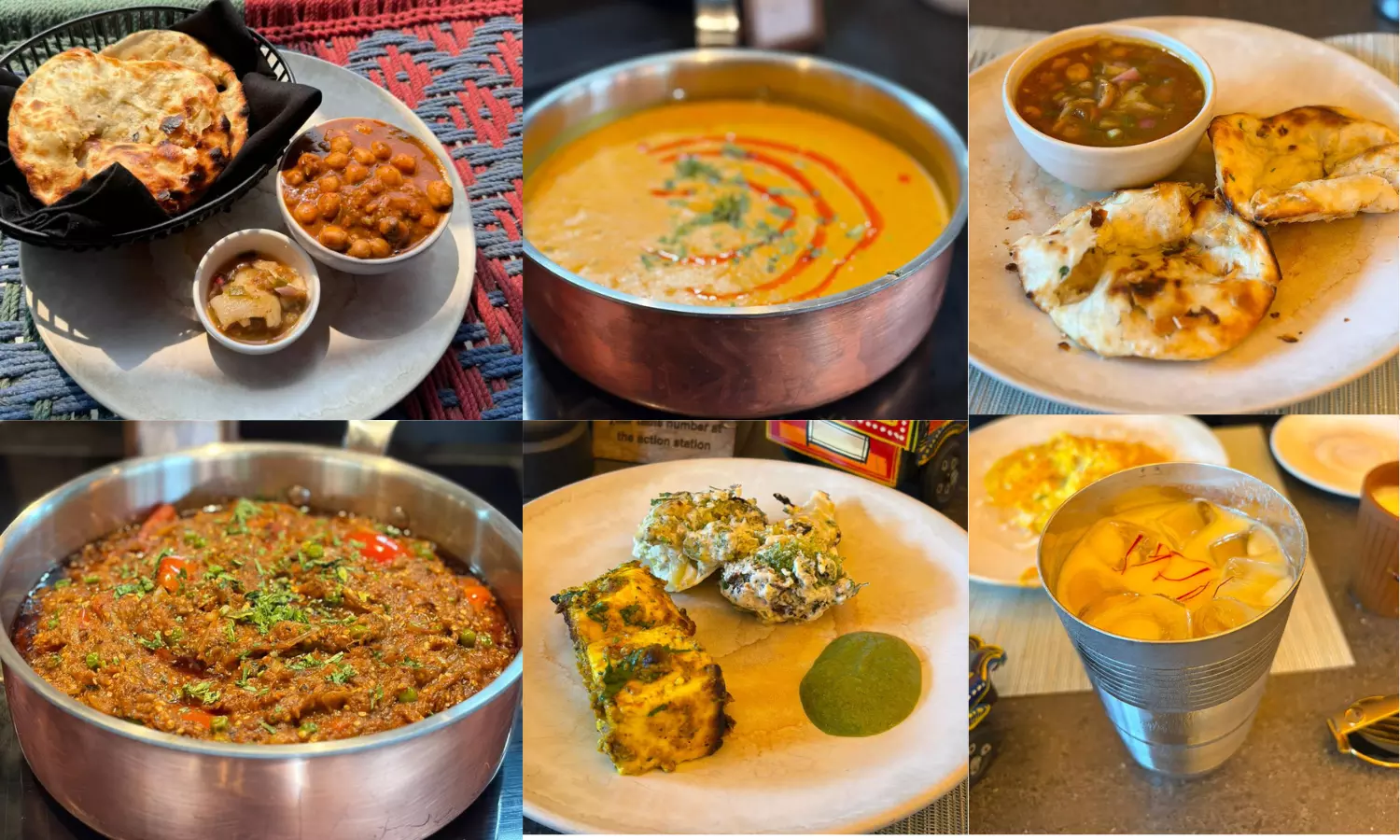
At the Gingerfire kitchen in Hilton Hyderabad Genome Valley Resort & Spa, a Punjabi food pop-up is bringing the flavours of the Northern part of India to the city, and it comes with a clear timeline. The experience runs until May 10, 2026, giving diners a limited window to taste dishes rooted in tradition and memory.
The pop-up is led by Chef VP, Singh who has travelled from Amritsar, alongside insights from Athar Hussain. Together, they are presenting a menu that stays close to the essence of Punjabi cooking.
For Chef VP Singh from the house of Chef Sucha Singh & Sons, Kulcha Land, the starting point is always the land he comes from. “If you visit Amritsar, you will see how food is made on wood fire, slowly. The smoke, the time, everything goes inside the food. That is what gives it real flavour,” he says. His approach is rooted in slow cooking, something he believes cannot be rushed. “The things that take time, absorb flavour better. That is why the taste is different.”
He traces the global popularity of dishes like butter chicken and dal makhani back to history and migration. “Earlier, our elders used to cook in undivided Punjab. After Partition, those recipes travelled and became what people know today. Kulchas, chole, dal makhani, all of this has come from that journey,” he explains.
Chef VP Singh
For him, dal makhani is not just another dish on the menu. It is a process. “Dal makhani cooks overnight. We used to keep it on a slow fire in copper vessels. By morning, the colour, the texture, everything changes. That is the real taste,” he says. He adds that today’s fast cooking often misses this depth. “Now everything is fast. But if your mind is not calm while cooking, the balance goes off. You should try it at home. If your focus shifts, the taste changes.”
His menu reflects what he calls everyday Punjabi favourites, but done the traditional way. “Baingan bharta, dal makhani, chole, these are things we eat regularly. But the flavour comes from how you cook them,” he says. On the non-vegetarian side, he points to dishes like tandoori chicken and mutton preparations that rely on careful marination and controlled heat.
He also speaks about how food in Amritsar is deeply specialised. “If you go there, one place will only sell tawa mutton, another will only sell chole kulche. They focus on one thing and perfect it. That is why the flavour stands out,” he explains.
At the hotel, this philosophy has been translated into a rotating menu. Executive Chef Athar Hussain says the idea was to bring authenticity rather than a generic version of Punjabi cuisine. “We wanted something very real, very homely. That is why we brought Chef VP Singh instead of going with a standard five-star approach,” he says.
The timing of the pop-up was also intentional. “We were planning different regional themes, but with the Baisakhi season, Punjabi cuisine felt right. We also have a strong base of Punjabi guests, so it made sense,” he adds.
The response, he says, has been phenomenal, says General Manager Amandeep Singh Grover. “On the first day itself, it was sold out. We have had great feedback from guests in and around Genome Valley,” he shares.
The menu has been designed to balance both vegetarian and non-vegetarian dishes. “There is a perception that Punjabi food is non-veg heavy, but we have kept a good mix. Paneer tikka, soya kulchas, rajma, there is a lot for vegetarians as well,” Chef Athar explains. He recalls a dessert that stood out. “Chef prepared ‘gud ka halwa’, which reminded me of childhood. That kind of food connects instantly.”
For Chef VP Singh, that emotional connection is what matters most. “When you eat food from Punjab, it should remind you of home. Even if you are tasting it for the first time, it should feel familiar,” he says.
He also believes that ingredients alone do not define the taste. “Spices are available everywhere. But how you roast them, grind them, cook them, that changes everything. Every cook has their own way,” he explains.
There is also an element that he finds difficult to define but insists is essential. “If the person cooking does not feel it from inside, the food will not come out right. There has to be something from within,” he says.
Back in the kitchen at Gingerfire, that idea is being put into practice every day of the pop-up. The dishes may be familiar, but the intent is to recreate the pace and patience of a different setting.
As Chef Hussain puts it, “It is about giving people a taste that feels true to where it comes from.” For diners in Hyderabad, that means a short but immersive journey into Punjabi food, shaped as much by memory and method as by the ingredients on the plate.
