DAHT is an advancement of nosode therapy and a modified form of isopathy. It involves preparing an autologous (self-derived) dynamic remedy using a patient’s own blood, which is then potentised through radionic energy and re-administered to the same individual.
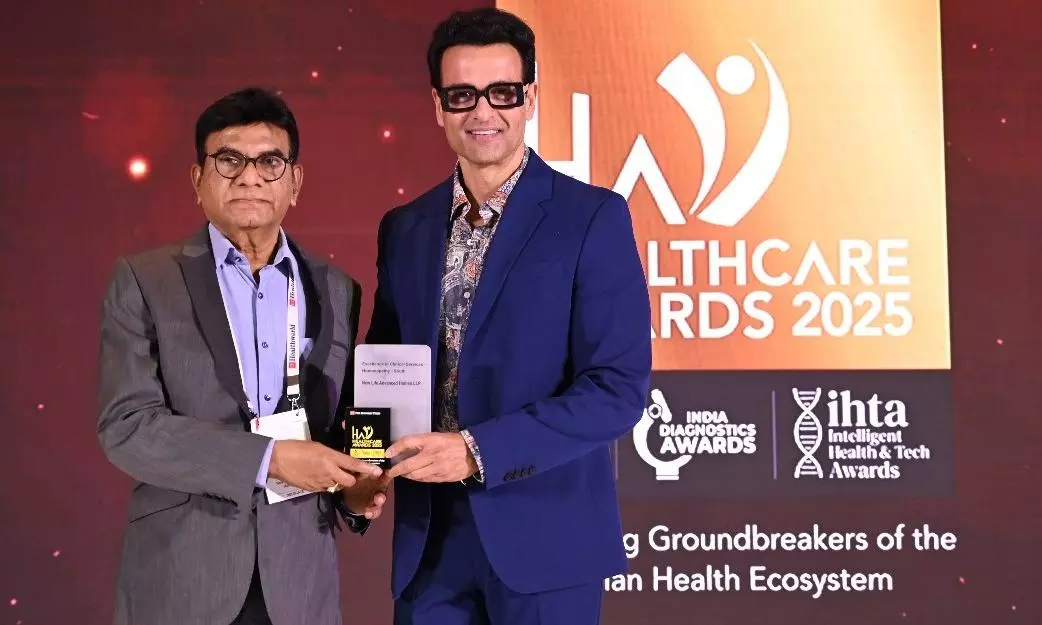
DAHT works rapidly—patients often experience clinical improvement within hours or days. (Photo by arrangement)
In an era where viral epidemics continue to challenge global health systems, a novel therapeutic concept—Dynamised Auto Haemo Therapy (DAHT)—offers a ray of hope. Developed by Dr. G. Subhash Chander, MBBS, MF. Hom. (UK), this innovative approach bridges the gap between conventional medicine and energy-based healing by harnessing the body’s own biological potential to restore health.
The Concept of DAHT
DAHT is an advancement of nosode therapy and a modified form of isopathy. It involves preparing an autologous (self-derived) dynamic remedy using a patient’s own blood, which is then potentised through radionic energy and re-administered to the same individual. This process creates a highly specific, individualized remedy that acts as an antidote to the very disease process disturbing the body.
Dr. Chander first developed the concept in 1999 and introduced it clinically in 2000 for conditions such as chickenpox, herpes zoster, and viral pneumonia. Over the years, the therapy has shown remarkable success in treating chikungunya, dengue, COVID-19, and a variety of other viral diseases and Exogenous Toxic States (ETS)—conditions resulting from external toxic influences.
Mechanism of Action
The therapeutic principle of DAHT rests on the concept of bio-information resonance. When a patient’s blood—containing the molecular imprint of the disease—is dynamically potentised, it transforms into an energetically tuned antidote. Upon administration, this potentised preparation interacts with the body’s disturbed energy field, neutralising the pathological signal and promoting the restoration of homeostasis.
In simpler terms, DAHT stimulates the body’s innate self-regulatory mechanisms, enabling it to overcome infection and toxicity naturally. The process is non-invasive, individualized, and compatible with other forms of treatment.
Why DAHT Matters
Viral diseases have always posed a formidable challenge because viruses mutate rapidly, rendering vaccines or antivirals less effective over time. DAHT, by contrast, does not depend on viral identification or strain variation. Since the patient’s own blood carries the complete biological signature of the infecting virus, the therapy remains effective even for newly emerging viral strains.
Moreover, DAHT works rapidly—patients often experience clinical improvement within hours or days. It reduces complications, shortens recovery time, and can prevent the spread of infection when applied at a community level. Its adaptability makes it a potential public health tool for epidemic control.
Evidence and Documentation
Dr. Chander has documented extensive evidence supporting DAHT’s effectiveness, including recovery statements, laboratory reports, and video testimonies of patients treated successfully for various viral and toxic conditions. The outcomes demonstrate not only symptomatic relief but also laboratory-confirmed recovery in cases where conventional medicine offered limited solutions.
In addition, DAHT has shown beneficial results in veterinary applications and palliative improvement in autoimmune disorders, further indicating its broad potential and underlying principle of energetic balance restoration.
A Hypothesis with Practical Proof
Dr. Chander emphasizes that DAHT should be viewed as a hypothetical understanding with repeatedly verifiable results—a scientific concept awaiting formal trials and recognition. Though unconventional in its origin, the reproducible outcomes observed in real-world cases highlight its immense value to humanity, particularly in situations where modern medical systems are overwhelmed.
A Call for Awareness and Collaboration
Despite its promise, DAHT remains underutilized due to lack of awareness and institutional support. Dr. Chander believes that greater scientific collaboration, ethical trials, and open-minded evaluation can help establish its place in future medicine. His hope is that health professionals, researchers, and policymakers will explore its potential for saving lives and reducing healthcare burdens, especially during viral epidemics.
DAHT represents not just a therapeutic method, but a vision for a healthier, self-healing future where medical science and human vitality converge.
( Source : Deccan Chronicle )


Next Story