U.S. Passport Falls Out of Top 10 After 20 Years

24 Oct 2025 9:15 PM IST24 Oct 2025 9:15 PM IST
The U.S. passport, once a symbol of global mobility, has dropped from 7th to 12th place in the Henley Passport Index, now tied with Malaysia, raising concerns about American travelers' international access.
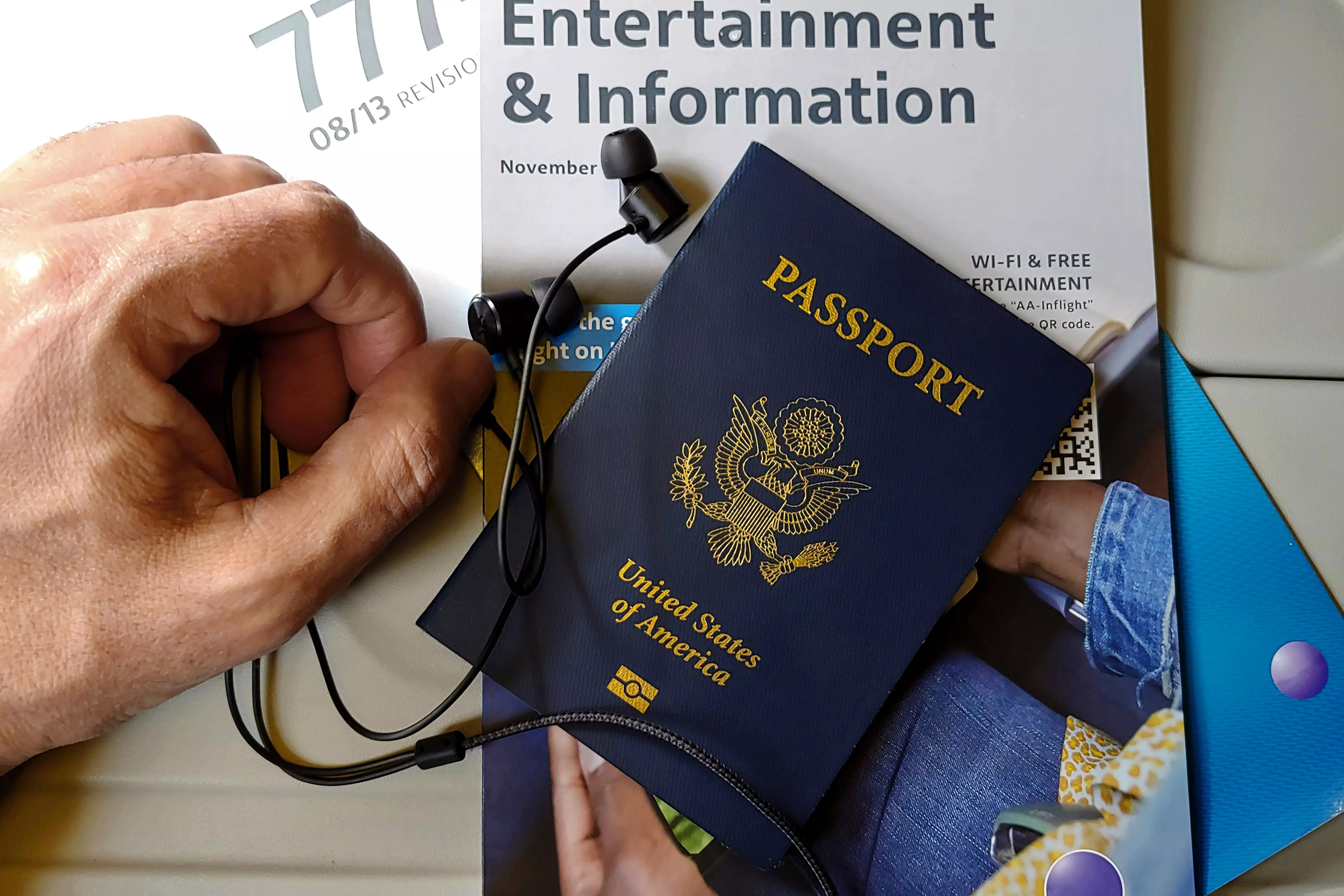
Representational Image/Pexeles
The strength of a passport is determined by the number of countries citizens are permitted to enter without a prior visa; the Henley Passport Index ranks passports accordingly. The U.S. passport has always been among the Top 10, considered one of the most powerful passports in the world. But from its 7th position on the list in 2024, it has dropped to 12th place this year, tying with Malaysia.
Is the international mobility of the American traveller dwindling?
The U.S. passport's fall is a reflection of the changing world order. With their growing travel freedom, Asia-Pacific countries are dominating the chart: Singapore tops the list, granting visa-free entry to 193 destinations, South Korea (190) and Japan (189) appearing right after.
Several other European countries, from global giants like Germany, the United Kingdom, France, Spain, and Italy, to smaller regions like Luxembourg, Malta, and Liechtenstein, are placed ahead of the U.S.
With nations revising their visa requirements and visa-free entry lists, many are imposing stricter rules and regulations on American nationals in response to the U.S.'s own foreign policy rigidity and declining reciprocity. The Henley Openness Index supports this notion, revealing that even though U.S. citizens have visa-free access to 180 countries, the U.S. only allows the same to 46 countries - quite the disparity, or "reciprocal gap" as it's termed.
Fearing travel restrictions, many Americans have applied for investment migration programmes. This allows individuals to obtain second citizenship or residency through financial investments. According to Henley & Partners, the number of applications has surged by 67% year-on-year as of Q3 2025.
Compared to the U.S., other countries have been climbing the ranks: in ten years, China has advanced to the 64th rank from its 94th position. The UAE has made an impressive leap from its 42nd place to 8th. Even India has managed to strengthen its passport despite fluctuations in its rankings, going from the 88th position to its 85th rank.
However, the U.S. isn't the only passport whose strength has faltered. The UK held the no. 1 spot in 2015, but now sits at 8th place. Canada went from the 4th rank to 9th. As Western powers close their gates to immigrants and Asia and the Middle East grow more influential, only time can tell just how low the ranks of the supposed global powerhouses will go.
The article has been autored by Tejasree Kallakrinda, an intern at Deccan Chronicle.
( Source : Deccan Chronicle )

Next Story