Strait of Hormuz: The World’s Most Critical Oil Chokepoint

Rising Middle East tensions threaten global oil and LNG supplies, pushing energy markets toward uncertainty
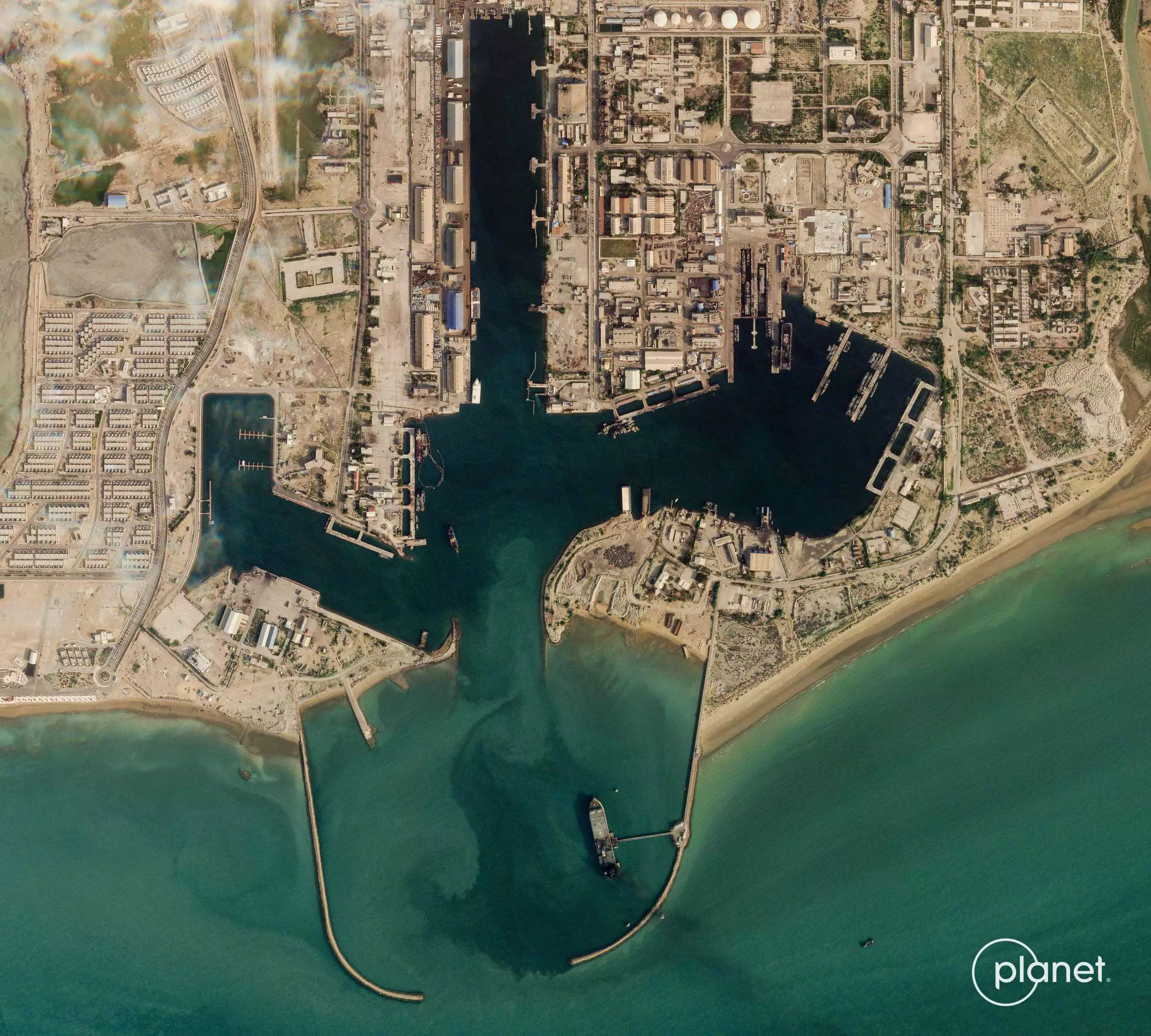
The Strait of Hormuz has once again drawn global attention amid rising tensions in the Middle East, as it remains the world’s most critical oil chokepoint.
The strait connects the Gulf of Oman with the Persian Gulf and stretches about 104 miles in length and roughly 60 miles in width. Its northern coast is controlled by Iran, while the southern side borders Oman—including the Musandam Peninsula—and the United Arab Emirates.
At its narrowest point, the strait is only about 21 miles wide, with shipping lanes limited to just two to three kilometres in each direction. According to historical interpretations, the name “Hormuz” is believed to originate from the Persian pronunciation of Ahura Mazda, the central god in Zoroastrian tradition.
Nearly 20 percent of the world’s oil supply passes through the Strait of Hormuz each day. Major energy exporters including Saudi Arabia, Iraq, Kuwait, the UAE, Qatar, and Iran rely on this route to ship around 21 million barrels of oil daily, along with a significant portion of the world’s Liquefied Natural Gas (LNG) exports.
Even a brief disruption in shipping can trigger immediate reactions in global energy markets. Oil prices have already risen to around $75–$85 per barrel, and analysts warn that prices could surge beyond $100–$120 per barrel if the disruption continues.
Recent tensions in the region have already begun affecting shipping activity. Reports suggest that over 150 oil tankers are currently waiting outside the Gulf rather than entering the strait. Meanwhile, an estimated 3,000 to 3,200 vessels are stranded or idle within the Gulf region, with about 550 ships anchored outside the Gulf awaiting safer conditions. Among them are approximately 37 Indian-flagged vessels that remain anchored near the strait.
Due to security risks, some ships have reportedly turned off their tracking systems while navigating the region. Several global shipping companies have also suspended routes through the strait, opting to wait for military escorts before resuming operations. These delays are disrupting global trade and energy supply chains.
Escalating attacks on tankers, including missile and drone strikes, have further heightened concerns. The tensions are also affecting trade in oil, LNG, fertilizers, petrochemicals, and plastic raw materials. Notably, about one-third of global fertilizer shipments pass through the Strait of Hormuz, raising concerns about potential disruptions to global agricultural supply chains.
In one such incident, Saudi Arabia’s Ras Tanura refinery, one of the world’s largest oil facilities, temporarily halted operations following a drone attack.
Countries such as India, China, Japan, and South Korea, which rely heavily on Middle Eastern oil imports, are among those most vulnerable to supply disruptions.
The Strait of Hormuz crisis is therefore not merely a regional issue. It represents a potential global economic shock, with far-reaching implications for energy markets, international trade routes, inflation, and geopolitical stability.
The article is written by Aditya Kumar Singh, an intern from Loyola Academy
