Saudi Arabia Abolishes Kafala System: Read What It Means for Migrant Workers

23 Oct 2025 8:12 PM IST23 Oct 2025 8:12 PM IST
Under the Kafala system, foreign workers required a Saudi sponsor who controlled their visa and legal status, and in most cases it was their employer.
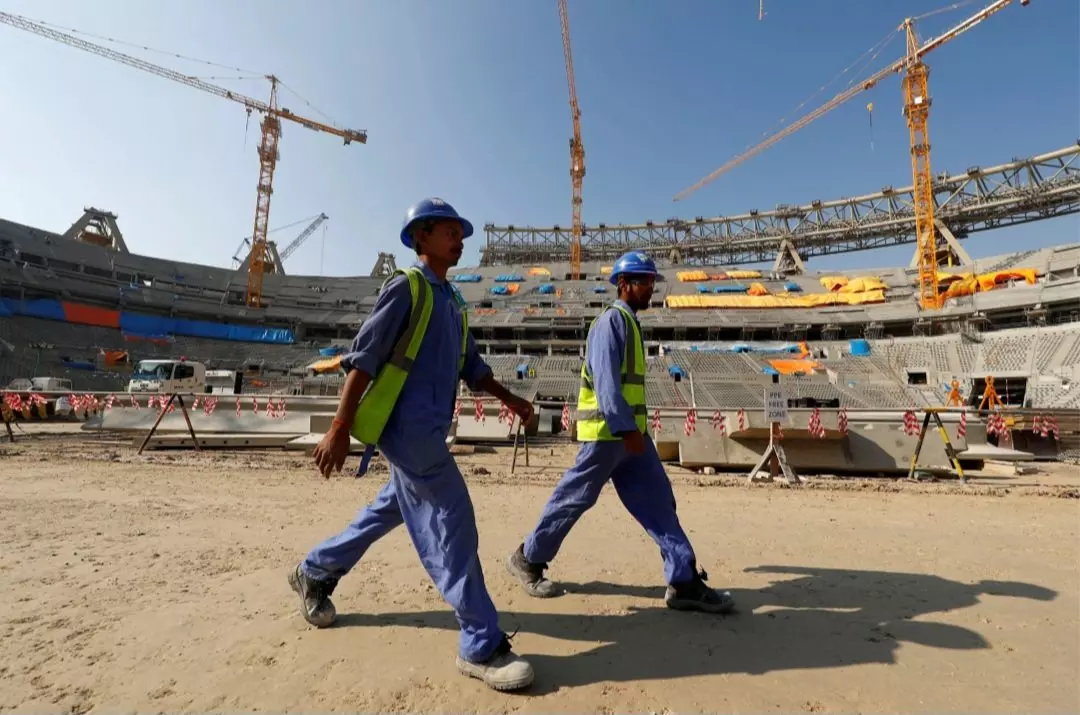
Representational Image/X
In a historic labor reform, Saudi Arabia has abolished its decades-old Kafala system, which linked the employment and residency of workers to their employers. The move was announced in June 2025 as part of the kingdom's broader Vision 20230 reforms.
The move is set to transform the lives of over 10 million migrant workers, which includes more than 2.5 million Indians.
Under the Kafala system, foreign workers required a Saudi sponsor who controlled their visa and legal status, and in most cases it was their employer.
As a result, workers could not change jobs, renew residence permits or even leave the country without a sponsor's consent.
Human rights organizations have argued for a long time that this system frequently leads to the exploitation of workers, as employees are left with limited legal options if their employers withhold their passports or salaries.
Before the 2022 FIFA World Cup in Qatar, the Kafala system gained worldwide attention when thousands of migrant workers, mostly from South Asian countries like India, lost their lives during the construction of the stadium and other related infrastructure.
However, under the new labor reform initiative, foreign workers in Saudi will now be able to change their jobs without employers' consent after the completion of their contract or by providing a required notice period. The initiative will also allow foreign workers to travel abroad freely without the entry or exit permit from their sponsors.
These new reforms support Saudi Prince Mohammed bin Salman’s "Vision 2030," which seeks to modernize Saudi's economy, boost foreign investment, and decrease the country's dependence on oil revenues.
The abolition of the Kafala system is also important for improving Saudi Arabia's human rights record and aligning its labor practices with international standards, especially the ones set by the International Labor Organization (ILO).
( Source : Deccan Chronicle )

Next Story