Russia Turns To India For Gasoline As Ukraine Pummels Refineries

First-ever Indian gasoline shipment reaches Russia as refinery disruptions deepen domestic fuel shortage
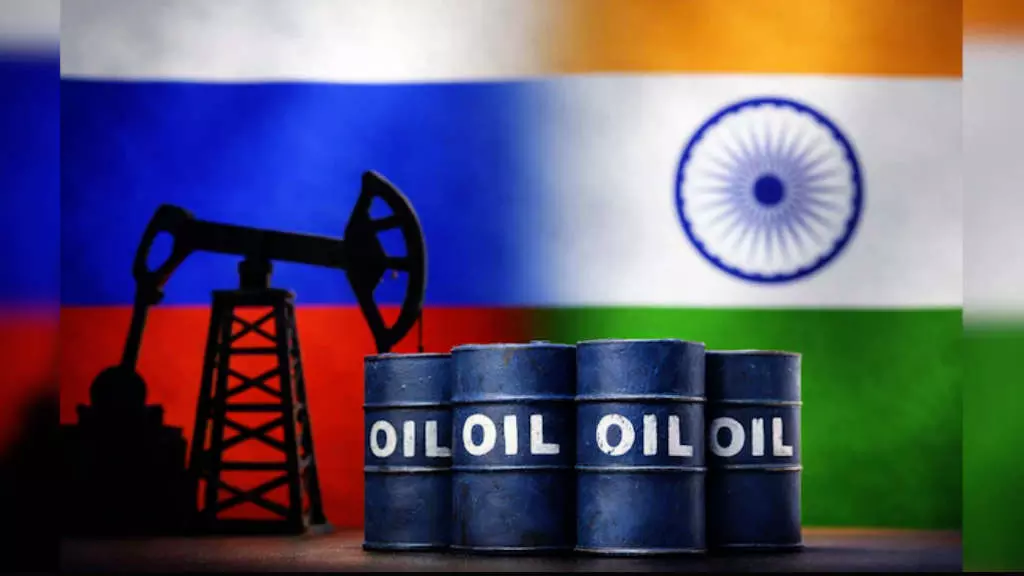
Russia has turned to India for gasoline supplies as repeated Ukrainian drone strikes disrupt its refining capacity and deepen domestic fuel shortages, marking an unusual reversal for a country that has traditionally exported refined petroleum products.
It is the first time Moscow has imported motor fuel from India, according to Kpler data, with the long journey required to bring the fuel to Russia highlighting the severity of the supply crunch. The first shipment was received on August 5, and more cargoes could be on the way, Kpler data showed.
Indian refiner Nayara Energy Ltd., which is backed by Russian oil giant Rosneft PJSC, has emerged as a source of the gasoline. The fuel is being transported through a chain of Russian-linked tankers, with ship-to-ship transfers taking place off Egypt before the cargoes continue toward Russia.
“The emergence of Indian barrels is particularly notable,” Sumit Ritolia, lead analyst at Kpler, said. The cargoes, along with continued imports from Belarus and other neighbouring markets, highlight “the severity of the current domestic gasoline imbalance” and how lower refinery operations are reshaping Russia's traditional fuel trade flows.
The development comes as Russia struggles to maintain domestic fuel supplies following a sustained Ukrainian campaign targeting its oil infrastructure. Moscow has traditionally been a major supplier of refined fuels to international markets, but it has imposed restrictions on gasoline and diesel exports to prioritise domestic consumers.
The global energy market is also dealing with the fallout from two major conflicts, as Ukraine continues its attacks on Russian refineries while the United States and Iran remain locked in a confrontation in the Middle East. The combined disruptions have tightened fuel markets and increased pressure on countries to secure supplies.
Russia's refining sector has suffered a significant decline in processing rates following the latest wave of attacks. EA Analytics estimated that the country's crude-processing rates averaged around 3.6 million barrels per day in July, roughly one-third below the seasonal norm.
Ukraine has intensified its campaign since then. Five Russian oil-processing facilities were targeted last week, followed by strikes on at least two more this week, further limiting Moscow's ability to produce gasoline and other refined products.
The shortages have forced Russia to look beyond its traditional domestic and regional supply networks. In addition to India, Moscow has increased imports from Belarus and other neighbouring markets as it attempts to compensate for lost refining capacity.
Belarus has emerged as an important supplier, with gasoline and diesel shipments to Russia rising sharply in recent months. Russia has also looked to other international sources as it seeks to plug gaps in domestic supplies during the peak summer travel and agricultural seasons.
The growing dependence on imports is particularly notable because Russia has historically been a significant exporter of refined petroleum products. The need to bring gasoline from India, despite the considerable distance and logistical complexity involved, underscores the pressure created by Ukraine's attacks on the country's energy infrastructure.
Russia's Energy Ministry, India's Oil Ministry and Nayara Energy's communications team did not respond to Bloomberg requests for comment.
The situation also highlights the changing dynamics of the India-Russia energy relationship. India has become one of the largest buyers of Russian crude, while Russian companies are now turning to Indian refining capacity to help meet Moscow's domestic fuel needs.
For Russia, the immediate challenge is to restore refinery operations, protect energy infrastructure from further attacks and ensure adequate fuel supplies at home. The continued strikes could keep domestic gasoline markets under pressure and force Moscow to rely increasingly on imports until damaged refining capacity is brought back online.
