Rubio Says Iran Nuclear Talks 'Highly Technical', May Take Months

2 Jun 2026 10:45 PM IST2 Jun 2026 10:45 PM IST
Rubio indicated that the next phase of discussions would depend on Iran taking specific steps, including reopening the strategic Strait of Hormuz under agreed conditions, and the disposition of the highly enriched uranium
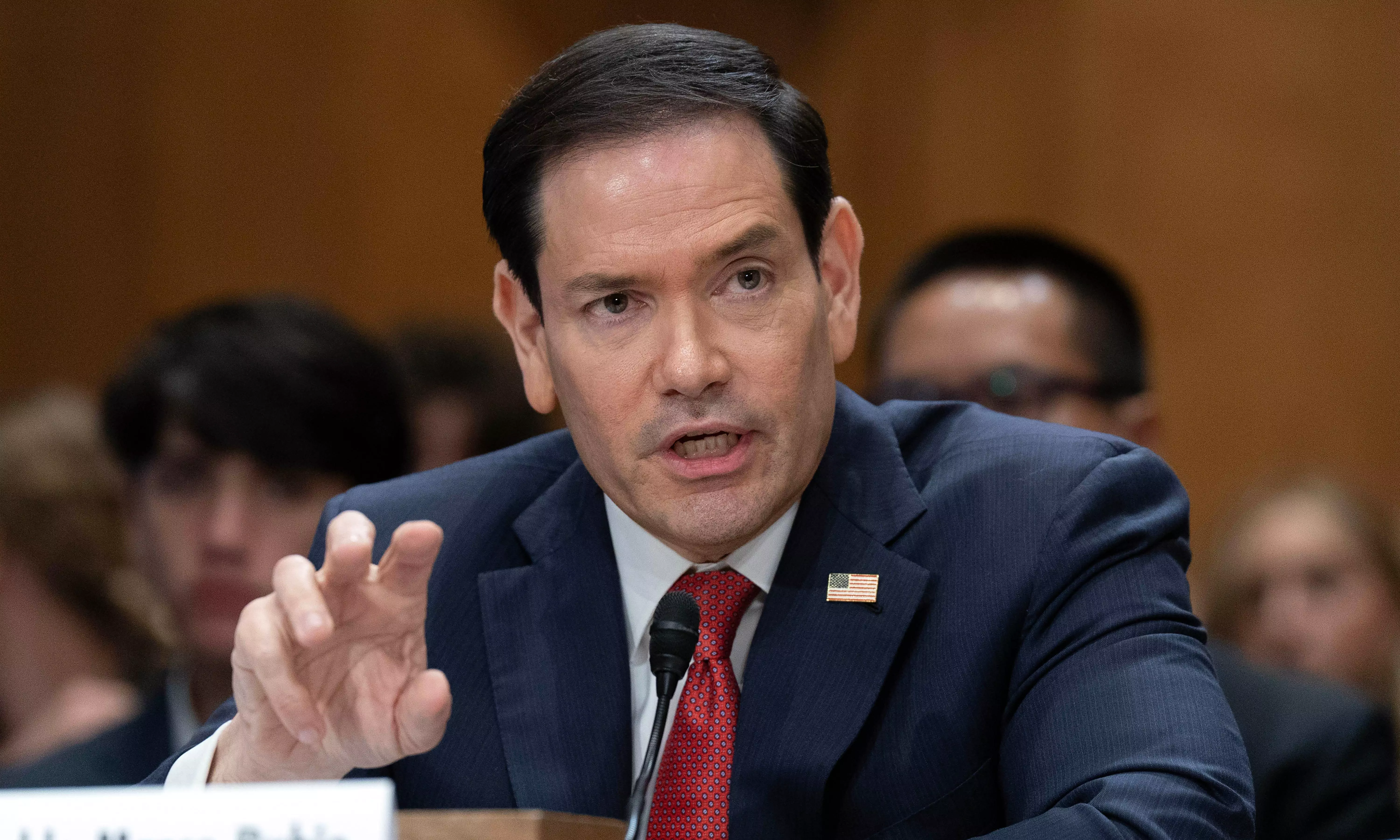
Secretary of State Marco Rubio testifies before the Senate Foreign Relations Committee hearing to Review the FY27 State Department Budget Request on Capitol Hill in Washington. (AP Photo)
Washington DC: US Secretary of State Marco Rubio on Tuesday said that negotiations on Iran's nuclear programme, as part of the overall peace talks between the two sides, would be "highly technical" in nature and could take several months to conclude.
Testifying in front of the US Senate Foreign Relations Committee, Rubio indicated that the next phase of discussions would depend on Iran taking specific steps, including reopening the strategic Strait of Hormuz under agreed conditions, and the disposition of the highly enriched uranium.
"Phase 2 is they have to commit to very specific negotiations. On the disposition of the highly enriched uranium that still is buried deep in a mountain somewhere...They have to agree on negotiating severe and long-term limitations and/or cancellation of enrichment activity in their country," Rubio told lawmakers.
Rubio stressed that the complexity of the issues involved would require sustained technical engagement over an extended period.
"Obviously, these are highly technical matters, so I don't think you could work those out in five days. That would require a team of experts to meet over a 30-, 60-, 90-day period and work out the details, but they have to commit to their willingness to do that," Rubio said.
He further stated that Iran would first need to declare the Strait of Hormuz open, ensure it remains free of tolls, and take steps such as removing naval mines and refraining from targeting commercial vessels.
The Secretary of State also clarified that the United States has not offered sanctions relief to Iran in exchange for reopening the strait, adding that any easing of sanctions would be strictly conditional.
Rubio further acknowledged that Iran still possesses a significant number of drones but noted that the relatively low cost of such technology makes it a persistent and difficult security challenge.
"This is a pervasive problem around the world. The economics of it are something we have to solve for, but nonetheless, even [Iran's] drone-building capability has been eroded," Rubio told the Senate Foreign Relations Committee.
Rubio said Iran's so-called "conventional shield" -- referring to its use of missiles and drones to protect its nuclear infrastructure -- has been "substantially eroded" following recent military actions by the US against the Islamic Republic.
He further said that what remains of Iran's naval capabilities has been significantly reduced.
"What's left of Iran's navy is a 'bunch of Boston Whalers with machine guns on them," Rubio said.
The US Secretary of State also claimed that the US blockade of Iranian ports was resulting in significant economic losses for Tehran.
The US blockade of Iranian ports, he added, was costing Iran "hundreds of millions" of dollars in lost revenue each day.
The remark comes amid heightened tensions in West Asia as the fragile ceasefire hangs in the balance amid diplomatic engagements between Iran and the US to achieve a complete settlement to the overall conflict, that started on February 28 by the US-Israel strikes against Iran.
( Source : ANI )

Next Story