Pakistan’s Oil Import Bill May Hit $600 Million Amid West Asia Crisis

As Pakistan continues to face economic stress, Petroleum Minister Ali Pervaiz Malik called for fuel-saving measures so that the country’s existing reserves last longer
Islamabad: Amid the developing security situation in West Asia, Pakistan could see its monthly oil import bill soar to about USD 600 million, the country’s Finance Minister Muhammad Aurangzeb said on Sunday, as reported by Dawn.
According to Dawn, Aurangzeb made the remarks during a briefing on Sunday attended by Pakistan’s Petroleum Minister Ali Pervaiz Malik and Sindh Chief Minister Murad Ali Shah.
The Pakistani news outlet reported that Aurangzeb told the meeting that Pakistan’s monthly oil import bill could increase to USD 600 million due to the conflict in West Asia. He also noted that the government is preparing alternative plans to deal with the financial impact of rising oil prices.
Dawn reported that crude prices could rise to USD 120 per barrel if the conflict escalates further.
As Pakistan continues to face economic stress, Petroleum Minister Ali Pervaiz Malik called for fuel-saving measures so that the country’s existing reserves last longer. He also said Islamabad would request the International Monetary Fund for relief in the petroleum levy.
Malik said three petroleum shipments are expected to reach the country on Monday, though disruptions in LNG supply are also anticipated.
He further noted that diplomatic engagements are ongoing with Oman, Saudi Arabia, and the United Arab Emirates, with efforts underway to secure alternate fuel supply routes apart from the Strait of Hormuz.
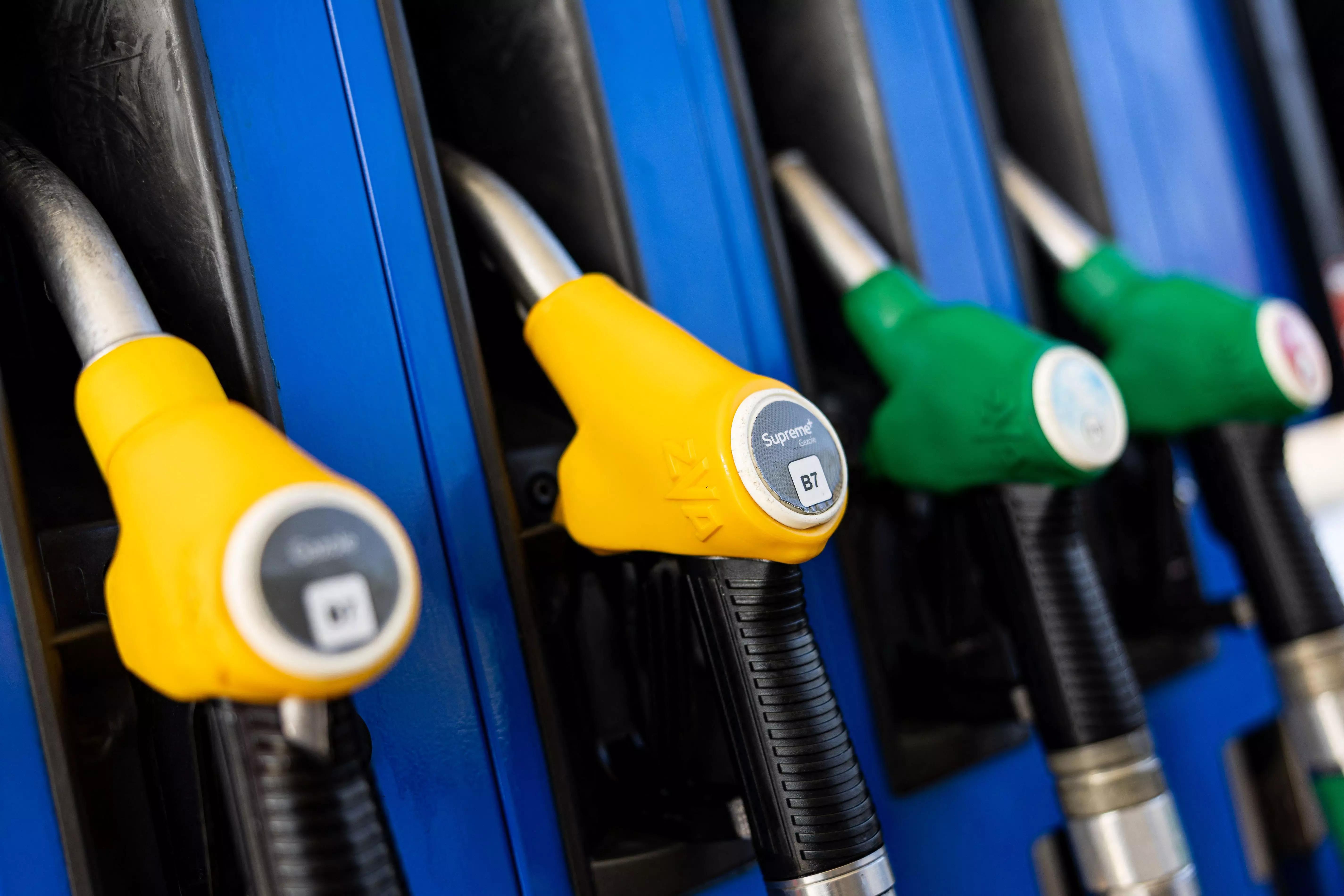
This comes after Pakistan announced a major hike in fuel prices, with petrol and high-speed diesel rates jumping by PKR 55 per litre — an increase of about 20 per cent.
As of March 7, 2026, petrol prices have risen to PKR 321.17 per litre, while high-speed diesel costs PKR 335.86 per litre, placing additional pressure on the country’s already struggling economy amid the escalating West Asia crisis.
The announcement has sparked widespread concern across Pakistan, where residents are already dealing with high living costs during the month of Ramadan.
Commuters and workers have expressed despair over the rising cost of living, with petrol prices climbing to nearly PKR 324 per litre. Experts warn that the increase could push inflation significantly higher.
Analysts say the fuel shock may trigger a second wave of inflation, as higher transport and logistics costs are likely to raise the prices of food and other essential goods.
Government officials, including Deputy Prime Minister Ishaq Dar, said Islamabad had “little choice” but to pass on the impact of soaring global oil prices to consumers in order to stabilise national energy finances and meet requirements set during consultations with the International Monetary Fund.
