Pak PM Shehbaz Sharif Admits Shame Over Begging for Foreign Loans

Analysts say the Prime Minister’s candid admission highlights Pakistan’s long-term structural fragility
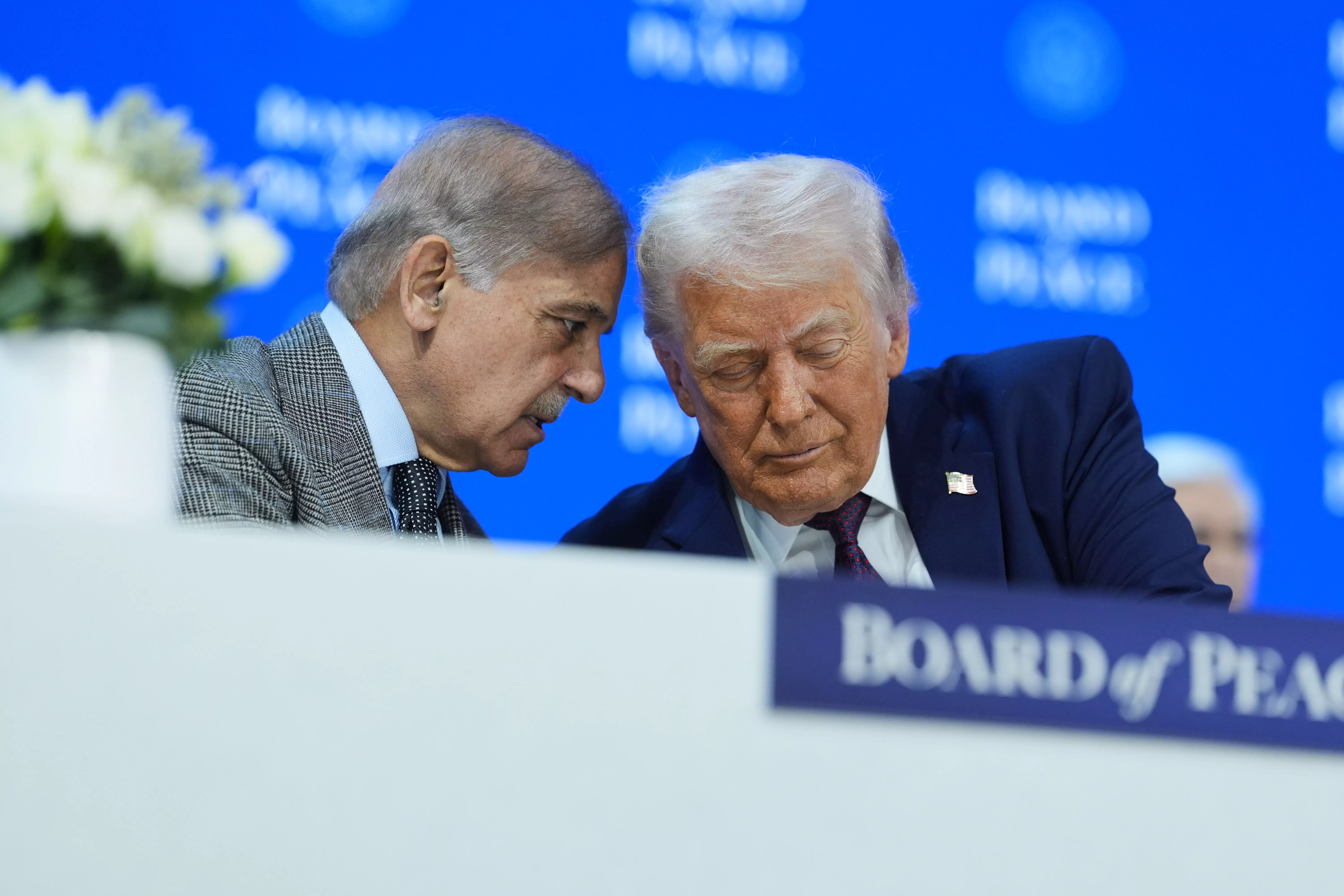
Islamabad: Pakistan Prime Minister Shehbaz Sharif has openly expressed frustration over the country’s dependence on foreign loans, saying that seeking financial assistance undermines national self-respect and causes embarrassment for the country’s leadership, including Army Chief Asim Munir.
Addressing leading exporters and business leaders at an event in Islamabad, Sharif underlined the burden of debt on Pakistan’s dignity and stressed the urgent need for alternative economic strategies.
“We feel ashamed when Field Marshal Asim Munir and I go around the world begging for money. Taking loans is a huge burden on our self-respect. Our heads bow down in shame. We cannot say NO to many things they want us to do,” Sharif said, as quoted by local broadcaster A1tv.
Sharif’s remarks come as Pakistan continues to seek IMF support and debt rollovers amid deepening economic stress. He acknowledged that the country’s reliance on international assistance reflects serious structural weaknesses.
The Prime Minister praised Pakistan’s “all-weather friend” China, along with Saudi Arabia, the UAE, and Qatar, for supporting Islamabad during difficult times regardless of circumstances.
Pakistan’s economic stability is heavily dependent on these countries. China has rolled over billions of dollars in deposits to help Pakistan meet debt obligations, with around $4 billion projected for 2024–25 under arrangements linked to the China-Pakistan Economic Corridor (CPEC), which has seen over $60 billion in energy and infrastructure investments.
Saudi Arabia extended a $3 billion deposit to the State Bank of Pakistan in December 2024 and provided deferred oil payment facilities worth around $1.2 billion in 2025. Riyadh has also pledged investments ranging from $5 billion to $25 billion in sectors such as mining, agriculture, and IT.
The UAE rolled over a $2 billion loan in early 2025 and committed to investing between $10 billion and $25 billion in Pakistan’s energy, port operations, and wastewater treatment sectors.
Qatar signed a protocol to realise $3 billion in investments focused on aviation, agriculture, and hospitality, and remains a key LNG supplier to Pakistan.
Sharif also raised concerns about rising poverty, unemployment, and Pakistan’s lack of progress in research, development, and innovation.
Pakistan is facing a severe socioeconomic crisis, with poverty estimated to affect up to 45% of the population, driven by inflation, floods, and macroeconomic instability. Extreme poverty has risen sharply, while unemployment stands at around 7.1%, leaving more than eight million people jobless.
Exports remain heavily dependent on textiles and commodities, with growth in sectors such as software, agriculture, and livestock constrained by structural inefficiencies and low productivity.
Pakistan’s public debt has crossed Rs 76,000 billion as of March 2025, nearly doubling in four years. The country is currently on its 23rd IMF programme, relying on repeated bailouts and loans—particularly from China—to service debt and avoid default.
Analysts say the Prime Minister’s candid admission highlights Pakistan’s long-term structural fragility, as traditional reliance on geopolitical leverage for financial support has diminished.
By involving the Army Chief in loan negotiations, critics argue that Pakistan is signalling to creditors that the military—seen as the most stable institution—stands behind the debt, further blurring civilian-military boundaries.
Observers note that instead of building an export-driven economy like Vietnam or Bangladesh, Pakistan has relied on borrowed funds to maintain artificial exchange rates and fund elite consumption.
Adding to the criticism, reports of Pakistan spending heavily to secure influence in international political circles—despite widespread inflation and energy shortages at home—have raised questions about national priorities and governance.