Bangladesh Welcomes Zakir Naik in Dramatic Policy Shift

Bangladesh's interim government allows controversial preacher Zakir Naik to tour, reversing a 2016 ban tied to a deadly terror attack
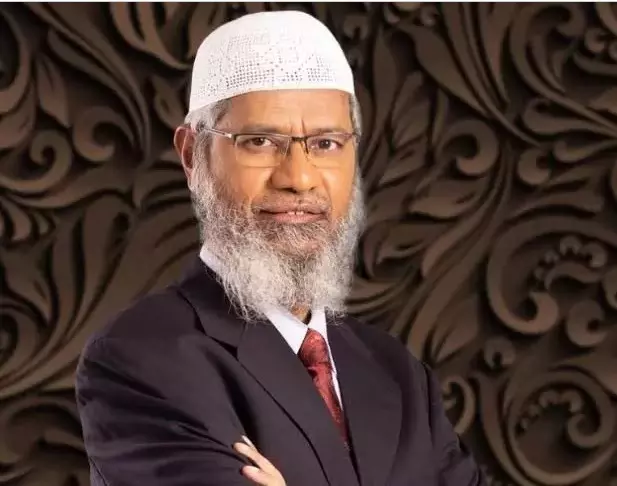
Bangladesh’s interim government, led by Muhammad Yunus, has sparked controversy by approving a month-long nationwide tour for Zakir Naik, the fugitive Indian Islamic preacher accused of hate speech and terror incitement. The decision, announced today, reverses a 2016 ban imposed after the deadly Holey Artisan Bakery attack in Dhaka, where ISIS-affiliated gunmen, inspired by Naik’s sermons, killed 29 people, mostly foreigners. Naik’s tour, set for November 28 to December 20, includes public lectures across major cities, with his Peace TV channel, previously banned, now reinstated.
The 2016 siege saw attackers target non-Muslims in a 12-hour standoff, leaving 20 foreigners dead. Naik’s videos were cited as radicalizing influences, prompting then-Prime Minister Sheikh Hasina to bar him. Now, Yunus’s administration, in power since Hasina’s ousting in August 2024, is accused of cozying up to Islamist groups like Jamaat-e-Islami. Critics, including Indian analysts, see this as part of a broader “de-secularization” trend, with reports of freed militants and rising attacks on Hindus—over 2,000 incidents since Hasina’s fall.
Naik, 59, fled India in 2016 amid charges of money laundering and inciting violence. Hosted by Malaysia, he’s also toured Pakistan, meeting U.S.-designated terrorists. On X, reactions are polarized: Indian users warn of “radicalization on steroids,” while some Bangladeshis hail the move as reclaiming religious freedom. New Delhi fears Naik’s anti-India rhetoric could fuel border tensions, with groups like Jamaat-ul-Mujahideen Bangladesh reportedly active.
As Naik prepares to arrive, Bangladesh’s embrace of the controversial preacher signals a volatile shift, raising questions about its secular legacy and regional stability.
