Oil prices which had risen by as much as 5% after the flurry of attacks - pared gains when Iran's military said its first wave of strikes on Israel was over. The dollar retreated from its highest level in nearly two months.
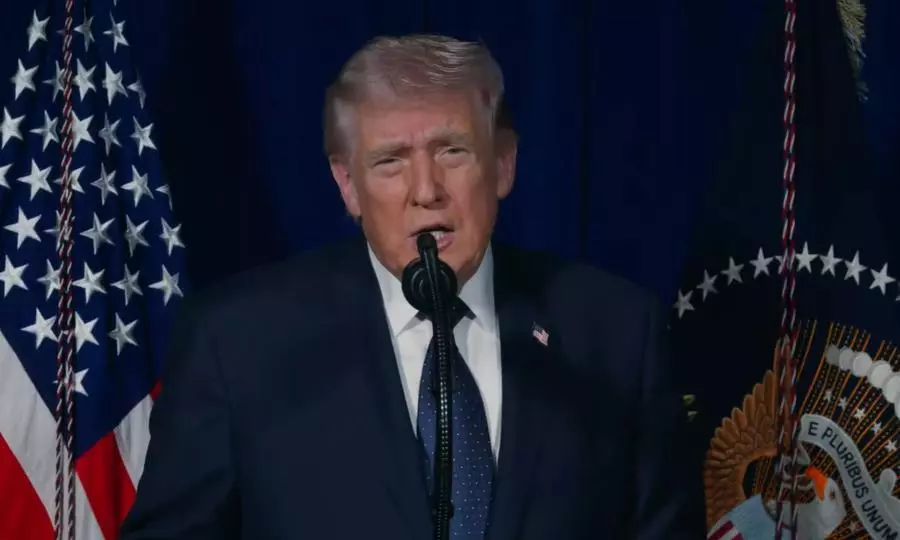
Dubai, Jerusalem: Iran and Israel said on Monday they had halted attacks on each other after an appeal from US President Donald Trump that they immediately "stop 'shooting'", though Tehran said it would resume strikes if Israel continued to hit Hezbollah in Lebanon.
The wave of attacks over 24 hours were the most direct confrontation between Iran and Israel since an April ceasefire, threatening to wreck Washington's efforts to reach an agreement with Tehran to end their more than three-month-old war.
Oil prices which had risen by as much as 5% after the flurry of attacks - pared gains when Iran's military said its first wave of strikes on Israel was over. The dollar retreated from its highest level in nearly two months.
A source briefed on the matter said Israel had also decided to halt its attacks on Iran.
Tehran fired missiles towards Israeli territory late on Sunday, calling them retaliation for Israeli attacks on strongholds of the Iranian-backed Hezbollah militia on the outskirts of Beirut.
Israel then hit a petrochemical plant in southwest Iran that it said was used to produce ballistic missiles. Iran's Islamic Revolutionary Guard Corps (IRGC) said it had retaliated with a strike aimed at a similar Israeli plant in the city of Haifa.
Iran's military said it had "delivered a painful response" against Israel for its attacks on Lebanon.
"Accordingly, the operations of the armed forces are hereby declared halted; however, it is emphasised that if the aggressions and acts of mischief continue, including in southern Lebanon, much more severe and crushing actions than before will follow."
Hours after Iran's announcement, sirens sounded in the Zar'it area of northern Israel when a projectile was identified as falling in an area of southern Lebanon where Israeli forces are operating. No casualties were reported.
Israeli defence minister Israel Katz said that Israel would strike Hezbollah's Dahiyeh stronghold in southern Beirut once more if there were attacks on northern Israel.
The latest exchanges complicated Trump's push to end a war launched by the US and Israel on February 28. A ceasefire announced on April 8 had paused all-out warfare but flare-ups in the Gulf have continued.
In one of several posts on social media, Trump said Israel and Iran both wanted an immediate ceasefire. "Final negotiations on 'Peace' are proceeding, subject to ignorance or stupidity getting in its way."
An Israeli official said Trump had spoken with Prime Minister Benjamin Netanyahu on Monday.
Earlier, an Israeli military official said Israel was prepared to continue operations for "as long as it takes", and confirmed strikes on newly rebuilt Iranian air defence systems in addition to the petrochemical target.
Iranian officials struck a similarly defiant tone. A military source quoted by the semi-official Tasnim news agency said Tehran was ready for a prolonged conflict and could renew strikes against U.S. interests in the region.
Iranian foreign ministry spokesperson Esmaeil Baghaei said Tehran was exchanging messages with Washington in an atmosphere of "extreme suspicion". Israel's actions in Lebanon, whether carried out with US knowledge and consent or not, were aimed at sabotaging diplomacy, he said.
In Tehran, Iranian media reported explosions, with air defences shooting down a drone over the capital. There were no immediate reports of casualties or major damage.
Yemen's Iran-aligned Houthis pledged in a statement to stop Israeli navigation in the Red Sea, and said they had also fired missiles at Israel.
The Houthis have so far largely stayed out of the regional war. They control territory at the mouth of the Red Sea, increasingly important as an alternative route for millions of barrels per day of Middle East oil otherwise blocked by Iran's grip on the Strait of Hormuz.
Israel said it had struck targets at the Mahshahr petrochemical complex that were used to produce and export raw materials for Iran's missile programme. A provincial official told Iranian media that parts of the plant were damaged.
Of 15 people injured across Iran in the latest Israeli attacks, 14 were in Mahshahr County, but no deaths were reported, Iran's National Emergency Organisation said.
The Israeli ambulance service said no casualties were reported from the missile launches toward Israel.
Israel has never halted its Lebanon campaign, which has killed thousands of people, saying it should be treated separately from any US-Iranian ceasefire. Hezbollah has also continued its attacks.
Tehran has long said any peace deal with the US depends in part on an end to fighting in Lebanon, which Israel invaded in March in pursuit of Hezbollah fighters who had fired across the border in solidarity with Tehran.
The US ambassador to Lebanon, Michel Issa, said on Monday that Lebanese-Israeli negotiations had been scheduled to resume in Washington.
Tehran has continued to block most shipping through the Strait of Hormuz, which before the war carried a fifth of the world's crude oil and liquefied natural gas. Washington has imposed its own blockade of Iranian ports.
Trump has said any peace deal must ensure Iran cannot develop a nuclear weapon. Iran's demands include the lifting of international sanctions, the release of billions of dollars in frozen assets and recognition of its control of the strait.

