France Bans Protests in Marseille, Lyon; Paris Museums Closed After Protests

France braces for fresh wave of protests, Left-wing leaders vow to follow original route despite police order
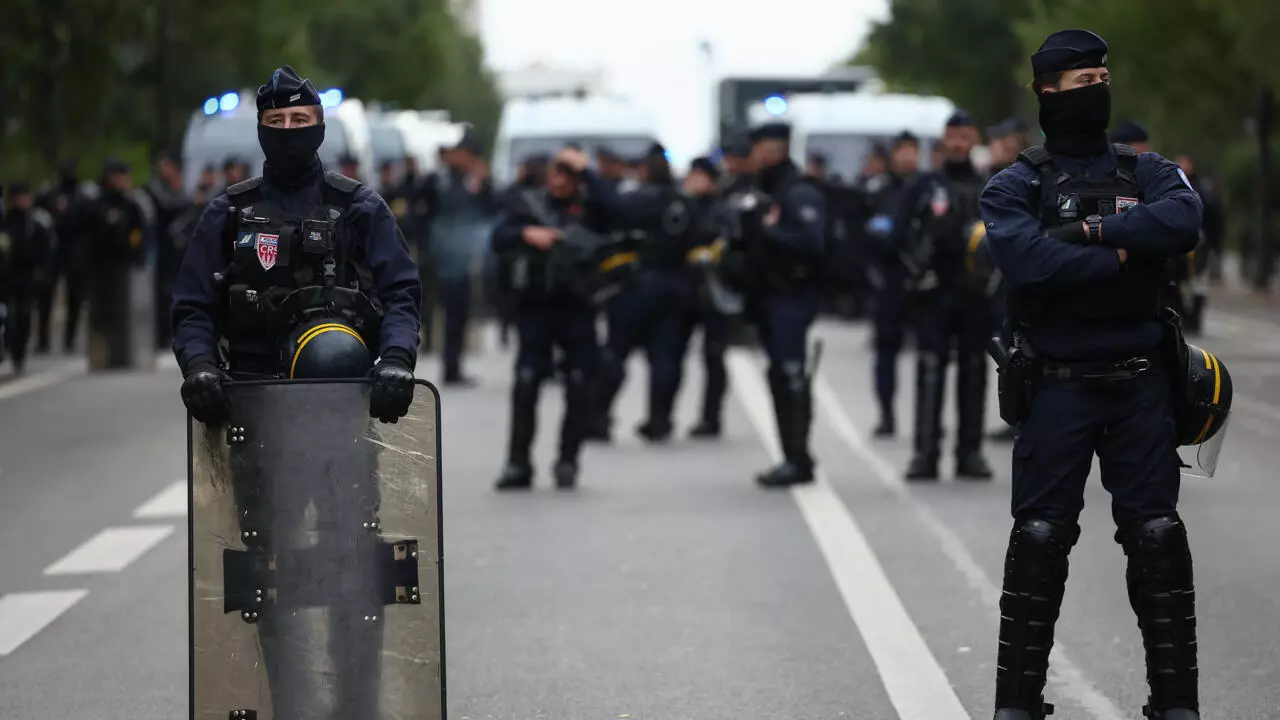
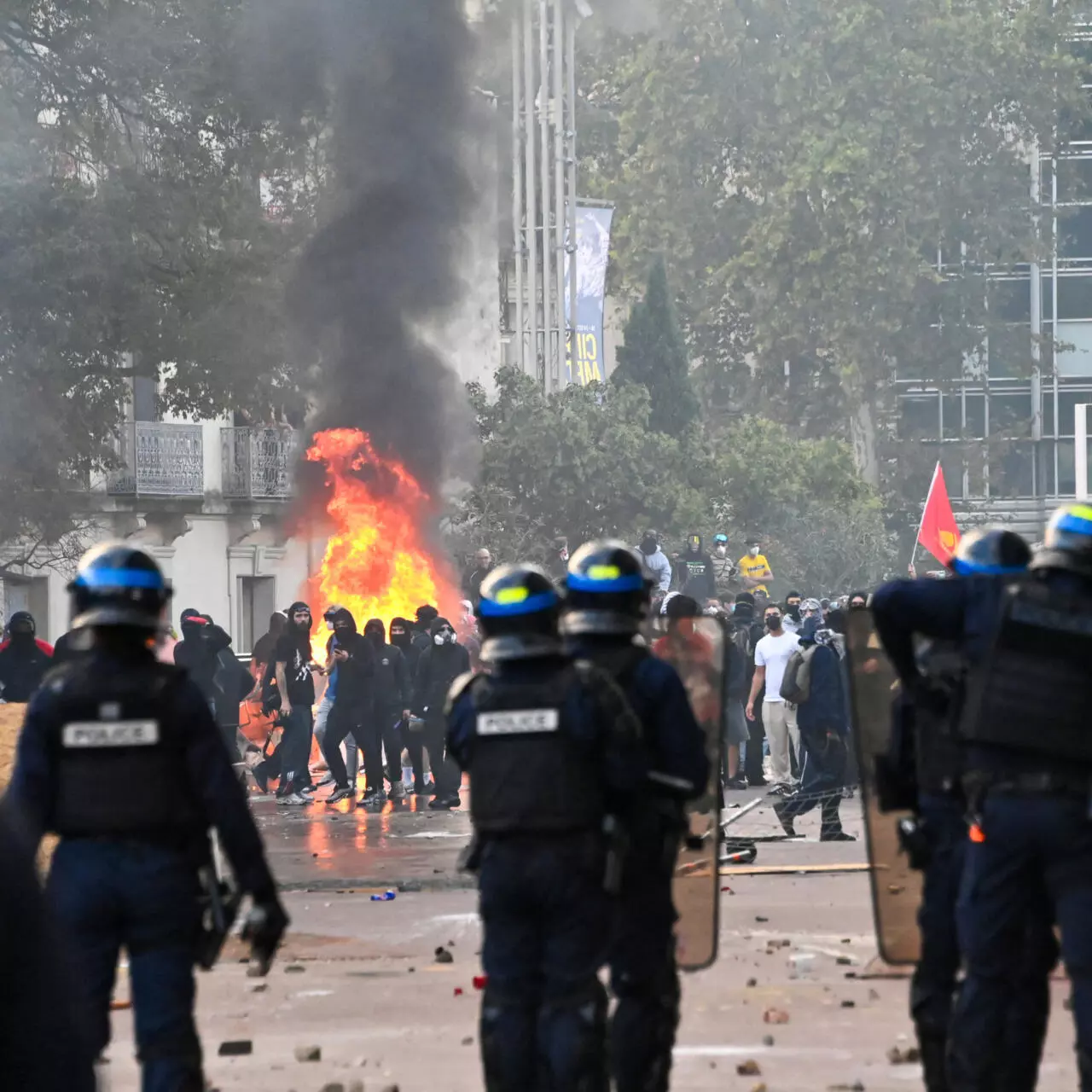
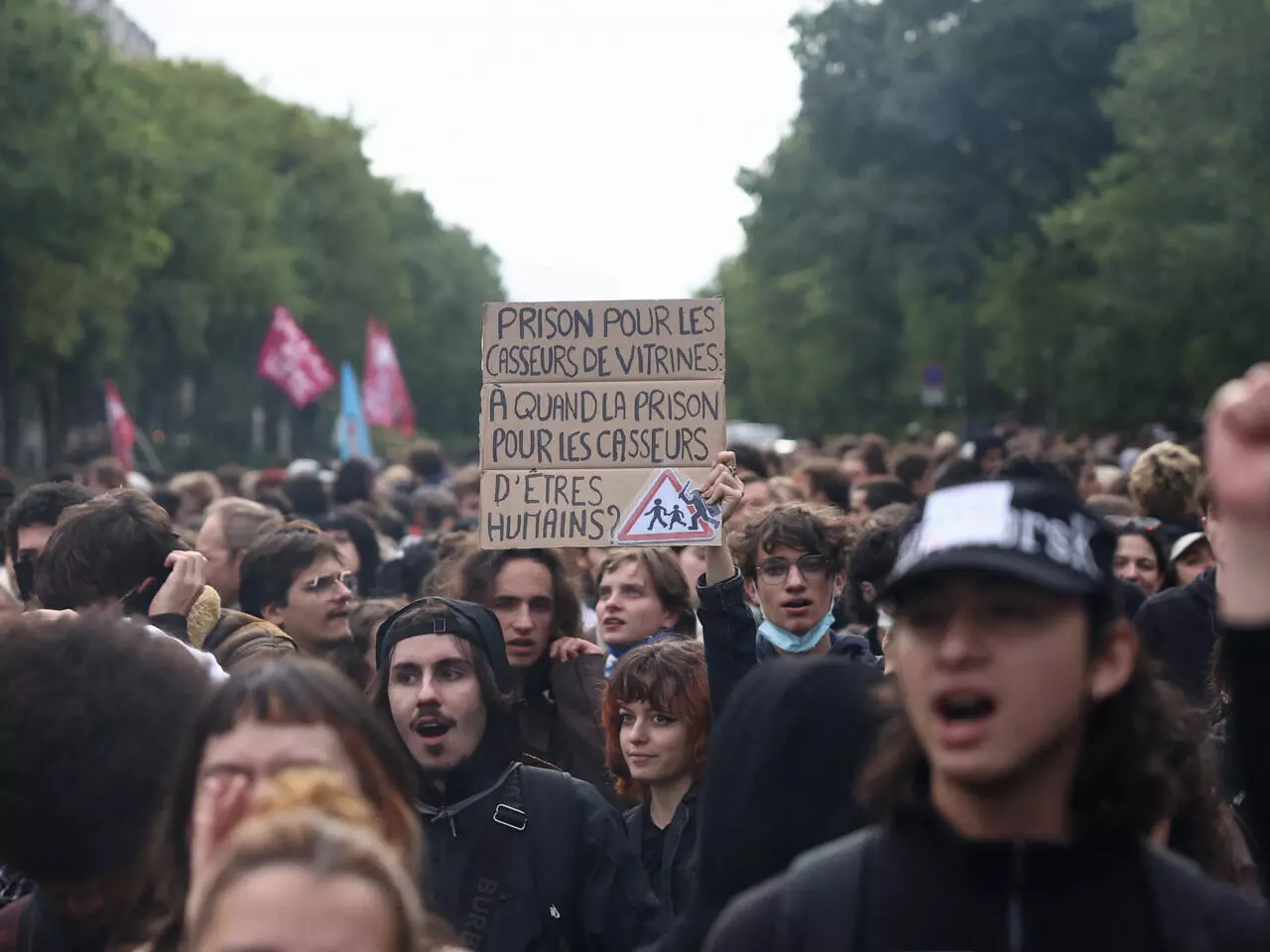
Paris [France]: French authorities have banned planned protests in Marseille and Lyon and closed major museums in Paris ahead of fresh demonstrations on Saturday, as the government steps up security measures to prevent a repeat of last week's violent unrest.
According to France 24, authorities have mobilised around 70,000 police personnel nationwide, supported by helicopters, armoured vehicles and water cannons, amid fears of renewed looting, arson and attacks on public buildings.
Curfews and other restrictions have also been imposed in several areas as officials prepare for another potentially volatile weekend.
French Interior Minister Laurent Nuñez announced the security deployment on Friday, warning that calls for violence and looting were circulating on social media. The restrictions come after last week's demonstrations, which saw masked groups target businesses and public buildings in Paris and other cities.
President Emmanuel Macron convened a meeting of his defence council, involving senior ministers and officials, to discuss the escalating crisis. He was also scheduled to meet security forces as the authorities intensified preparations for the weekend demonstrations, according to France 24.
The protests initially began among high school students over deteriorating learning conditions but have since spread nationwide, driven by wider public anger over the rising cost of living. More than half a million people took to the streets last week, with violent incidents raising concerns over public safety and government authority.
Macron recently met representatives of secondary school students for the first time since the protests escalated. However, student representatives said the government had yet to put forward concrete proposals to address their concerns.
Nathanael Combary, president of the campaign group High School Renewal, said the French President had listened to their concerns but stressed that students remained dissatisfied.
“We are not satisfied,” Combary said, urging students to continue mobilising ahead of discussions with the prime minister scheduled for Monday.
The government has sought to distinguish peaceful demonstrations and legitimate public grievances from criminal acts. Justice Minister Gérald Darmanin said courts had sentenced 217 people, around half of them first-time offenders, to prison in connection with last week's violence, France 24 reported.
On Thursday, Macron called for the “utmost severity” against acts of delinquency and accused far-left groups of attempting to undermine the republic.
The unrest has also heightened political tensions ahead of France's 2027 presidential election. The far-right National Rally party, led by Marine Le Pen, is scheduled to hold its congress in Orléans this weekend, where authorities are concerned about possible clashes as counter-protesters also plan to gather.
France is bracing for fresh wave of protests amid high tensions as a coalition of the “Yellow Vests” movement, trade unions and students will march on Saturday with demands over studying conditions and purchasing power. France 24 reported.
French left-wing leaders and protest organisers have criticised a last-minute change to the route of a planned demonstration in Paris, vowing to follow the original route despite the police order, as authorities brace for fresh unrest across the country.
As per France 24, the Paris police prefecture changed the route of Saturday's planned march from Place de la Bastille to Place de la Nation, scheduled to begin at 1 pm (local time), to a new route from Porte d'Italie to Porte de Vincennes at 7 pm.
The decision triggered strong objections from opposition leaders and trade unions, who warned that the change could create confusion and complicate security arrangements.
Marine Tondelier, leader of the Ecologists, expressed concern over the decision in a post on X, questioning whether police would consider people gathering at Bastille to be participating in an unauthorised demonstration.
“I am very concerned about Saturday’s demonstration,” Tondelier said, describing the situation as “very problematic and dangerous” in view of the violence witnessed last weekend.
Jean-Luc Mélenchon, leader of La France insoumise, also criticised the move, saying, “Once again, those in power are trying to disrupt the marches and impose impossible deadlines for reorganisation.”
Karl Ghazi, co-secretary general of a local CGT union, described the newly imposed route as “impossible to secure”. He said unions and police had agreed on the Bastille-to-Nation route on Thursday. Organisers maintained that they would proceed to Bastille as originally planned, despite the authorities' decision.
The dispute comes as France prepares for another day of demonstrations, including more than 700 planned Yellow Vest protests at roundabouts, petrol stations, train stations and near oil depots across the country.
Authorities have stepped up security measures following last week's demonstrations, when more than half a million people took to the streets, and masked groups targeted businesses and public buildings. Interior Minister Laurent Nuñez has announced the deployment of 70,000 police personnel nationwide, supported by helicopters, armoured vehicles and water cannons.
Protests initially led by high school students over learning conditions have widened amid growing concerns over the cost of living. The government has also imposed restrictions in several areas, banned planned demonstrations in Marseille and Lyon, and closed major museums in Paris.
President Emmanuel Macron has called for “utmost severity” against delinquency and accused far-left groups of undermining the republic. Justice Minister Gérald Darmanin said courts had sentenced 217 people, around half of them first-time offenders, to prison in connection with last week's violence.