Used EV Sales Jump In Europe As Iran War Drives Up Petrol Prices

Iran war disrupts oil trade, boosting petrol prices resulting high demand for used EV's across Europe; EV makers highlight cost of petrol in marketing.
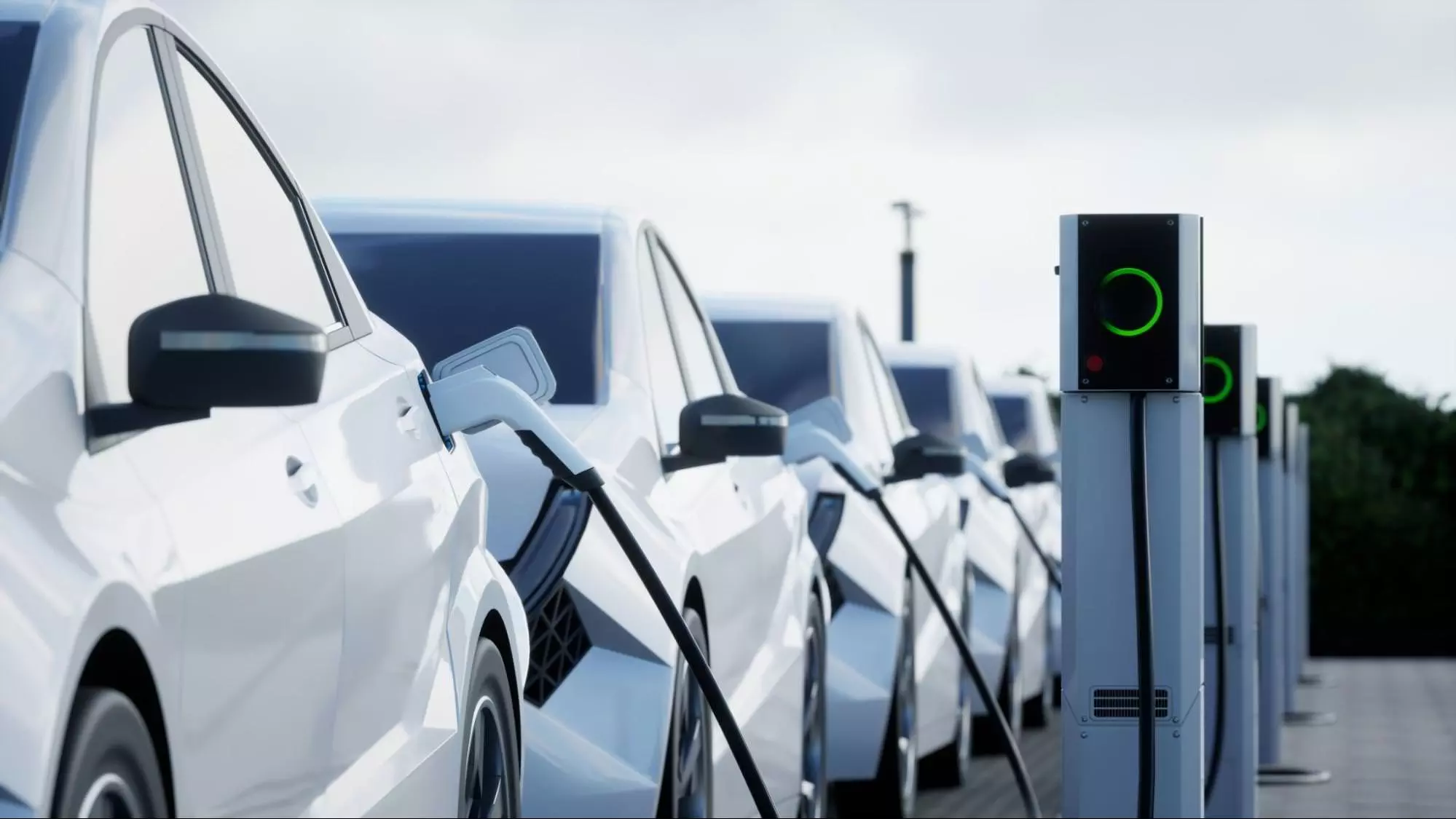
Paris/Stockholm : Petrol price spikes triggered by the war in Iran are boosting used electric vehicle sales across Europe, online car platforms told Reuters, in an early sign that pain at the pump is pushing consumers away from combustion engines.
"There is currently an electric car bonanza in the used market," said Terje Dahlgren, an analyst at Norway's largest used-car marketplace Finn.no, adding that EVs have recently overtaken diesel models as the site's best-selling fuel type.
The war, which erupted on February 28, has disrupted a vital shipping route that carries roughly 20% of global oil supplies.
That has fed straight through to filling-station prices, with the average cost of petrol in the European Union rising 12% to 1.84 euros ($2.12) per litre from February 23 to March 16, European Commission data show.
French online used-car retailer Aramisauto said its share of EV sales almost doubled from the week starting February 16 to the week starting March 9, rising to 12.7% from 6.5%.
Majority-owned by automaker Stellantis , the company saw a similar shift in 2022 when Russia invaded Ukraine and energy prices jumped, CEO Romain Boscher said.
"As soon as you pass 2 euros (per litre of petrol), it makes a lasting impression on people's minds," he said. "We are seeing a significant rise in interest on the website, translating into orders for EVs and hybrids."
Over the same three weeks, petrol models on Aramisauto fell to 28% of sales from 34%, while diesels dropped to 10% from 14%.
If U.S. and European fuel prices remain high, new-car buyers are also expected to gravitate towards EVs and hybrids.
EV makers are already highlighting the cost of petrol in their marketing. In France, MG, owned by China's SAIC is running social-media ads declaring "it may be time to rethink the way you drive".
Consumers appear to be responding.
Amsterdam-based Olx said customer enquiries for EVs have jumped across its marketplaces in France (50%), Romania (40%), Portugal (54%) and Poland (39%), with growth "accelerating consistently week-over-week across all markets".
"What's particularly telling is that EV interest was already trending upward before recent events," Olx CEO Christian Gisy said. "The instability appears to have accelerated a transition that was already underway."
Europe's used-EV landscape has also broadened. A wider range of models and the spread of battery-health certificates have helped address buyer concerns about second-hand EVs, supporting sales even before the war began.
'LOOKING FOR MORE FUEL-EFFICIENT ALTERNATIVES'
Used EV sales tend to react quickly to shifts in sentiment or sharp moves in petrol prices because they are up to 40% cheaper than new models and readily available to drive off the lot, unlike new cars that often take months to deliver.
"Considering the lead time of a vehicle purchase, we expect this momentum to continue as the market fully absorbs the impact of recent global events," said Alastair Campbell, vice president of growth at British automotive data firm Marketcheck.
Data provided to Reuters by Marketcheck show a "clear and sustained escalation" in used EVs sales since the war began.
In the Nordics, the largest used-car websites - all owned by Norway's Vend are also seeing a jump sharp rise in EV sales.
At Swedish platform Blocket, EV sales rose 11% in the first two weeks of March versus the previous two weeks, while views of EV models increased 17%.
"We see a clear shift where more people are actively looking for more fuel-efficient alternatives," Blocket car expert Marcin Stepman said.
Denmark shows a similar pattern. Local used car platform Bilbasen has reported rising searches for EVs, with car analyst Jan Lang citing higher petrol prices as the main driver.
In Germany, mobile.de, the country's largest online car market, said the share of EV searches on its website has tripled since the start of March - from 12% to 36% - while car dealers have received 66% more enquiries for used EVs than in February.
"Currently, high gasoline prices are leading to an increasing demand for electromobility," mobile.de said.
