China Rejects Trump's Election Meddling Claims as 'Malicious Smear'

17 July 2026 5:59 PM IST17 July 2026 5:59 PM IST
Chinese analysts said Trump's latest allegations against China may derail President Xi's planned visit to the US.
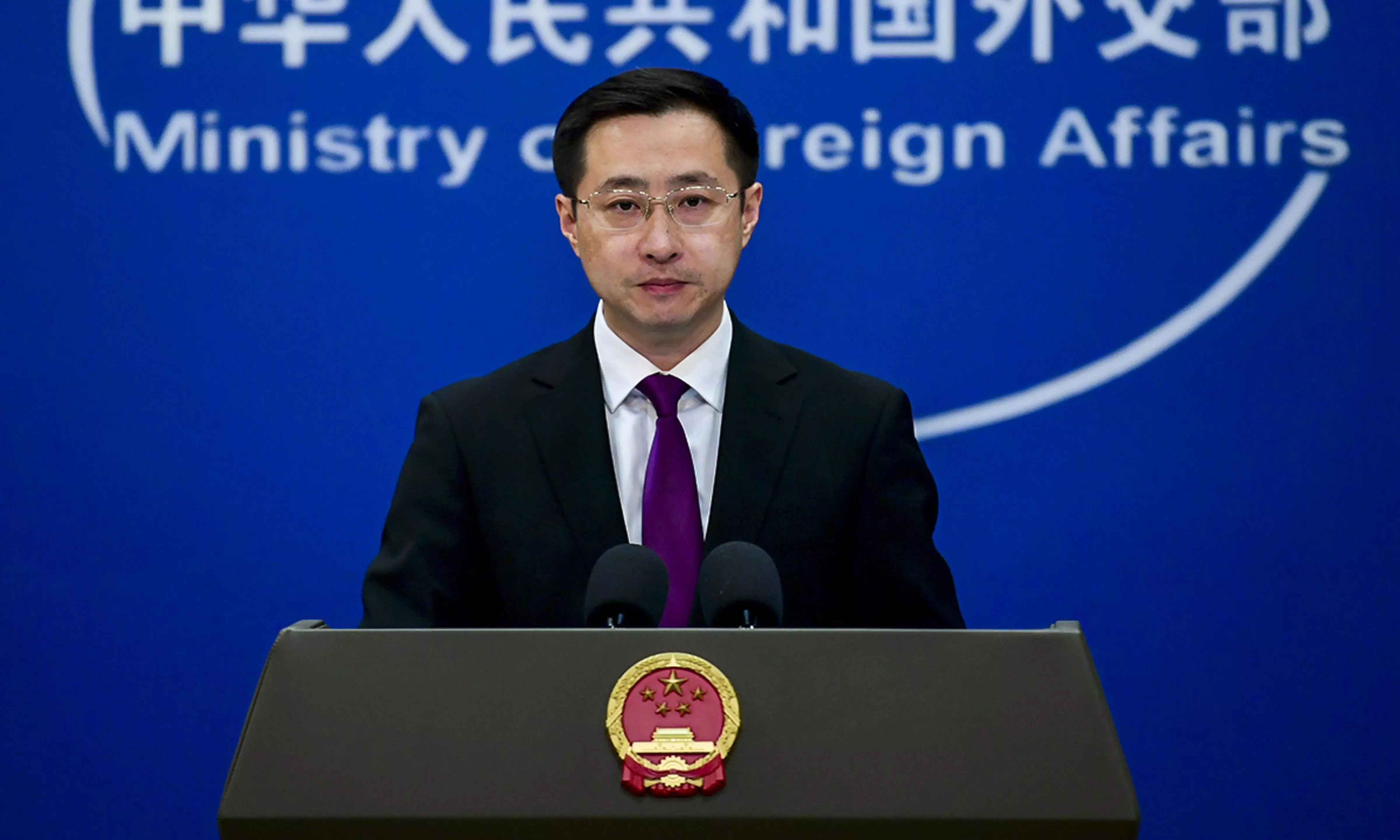
Ministry of Foreign Affairs of China spokesperson Lin Jian addresses the media. (@MFA_China via PTI Photo)
Beijing: China on Friday hit back at Donald Trump for accusing Beijing of meddling in American elections, dismissing the US President's claims as fabricated and a malicious smear and urging him to stop making baseless allegations.
China has always upheld the principle of non-interference in other countries' internal affairs and has neither any interest in nor ever interfered in US elections, Foreign Ministry spokesperson Lin Jian told a media briefing here while answering a question on Trump's allegations.
In contrast, the international community knows full well who habitually interferes in other countries' internal affairs, indiscriminately conducts long-term surveillance of governments, businesses and ordinary citizens around the world, and steals foreign citizens' data on a massive scale, Lin said.
"We urge the US side to reflect on its own conduct, stop making baseless accusations against China, refrain from using China as an election issue, and do more to promote China-US relations," Lin said.
Asked whether Trump's allegations against China would affect Chinese President Xi Jinping's plans to visit the US in September, Lin said, "We urge the US to stop making an issue of China in its elections and do something conducive to China-US relations".
Trump visited China in May and held talks with Xi, following which the Chinese President said both sides reached important common understandings on maintaining stable economic and trade ties, expanding practical cooperation in various fields, and properly addressing each other's concerns.
Trump invited Xi to make a reciprocal visit to the US in September, which the Chinese President accepted.
Chinese analysts said Trump's latest allegations against China may derail President Xi's planned visit to the US.
Zhao Minghao, a professor at Fudan University's Institute of International Studies, said Trump appeared to have taken a harder line on China since returning from his Beijing trip in May, amid criticism at home that he had gone soft on China.
Trump also railed against communism in a speech earlier this week.
"All these will have some impact on US-China relations," Zhao told the Hong Kong-based South China Morning Post. "Trump's purpose is, on one hand, to display toughness on China. And on the other, it's also with an eye on this year's midterm elections."
The attacks could complicate Xi's possible US visit, Zhao said, along with other factors including the Trump administration's ongoing tariff investigations against Beijing and US arms sales to Taiwan.
Trump's attack on China did little to help build on the positive momentum from his May summit with Xi, when the two leaders agreed to build a constructive relationship of strategic stability, said Diao Daming, an international relations professor at Renmin University of China.
He said while Trump's speech was likely driven by domestic political considerations, if he continued this approach it could undermine "the rare, positive atmosphere in Sino-US relations".
In his primetime address on Thursday, Trump accused China of interfering in the 2020 election. He also accused China of the "illicit acquisition" of 220 million voter files, including personal information.
In 2020, incumbent President Trump sought re-election but was defeated by Democratic candidate Joe Biden.
( Source : PTI )

Next Story