Nepal Deploys Army To Maintain Security For Parliamentary Polls In March

Army personnel are to be mobilized across the nation as support for the Nepal Police, Armed Police Force, and election police.
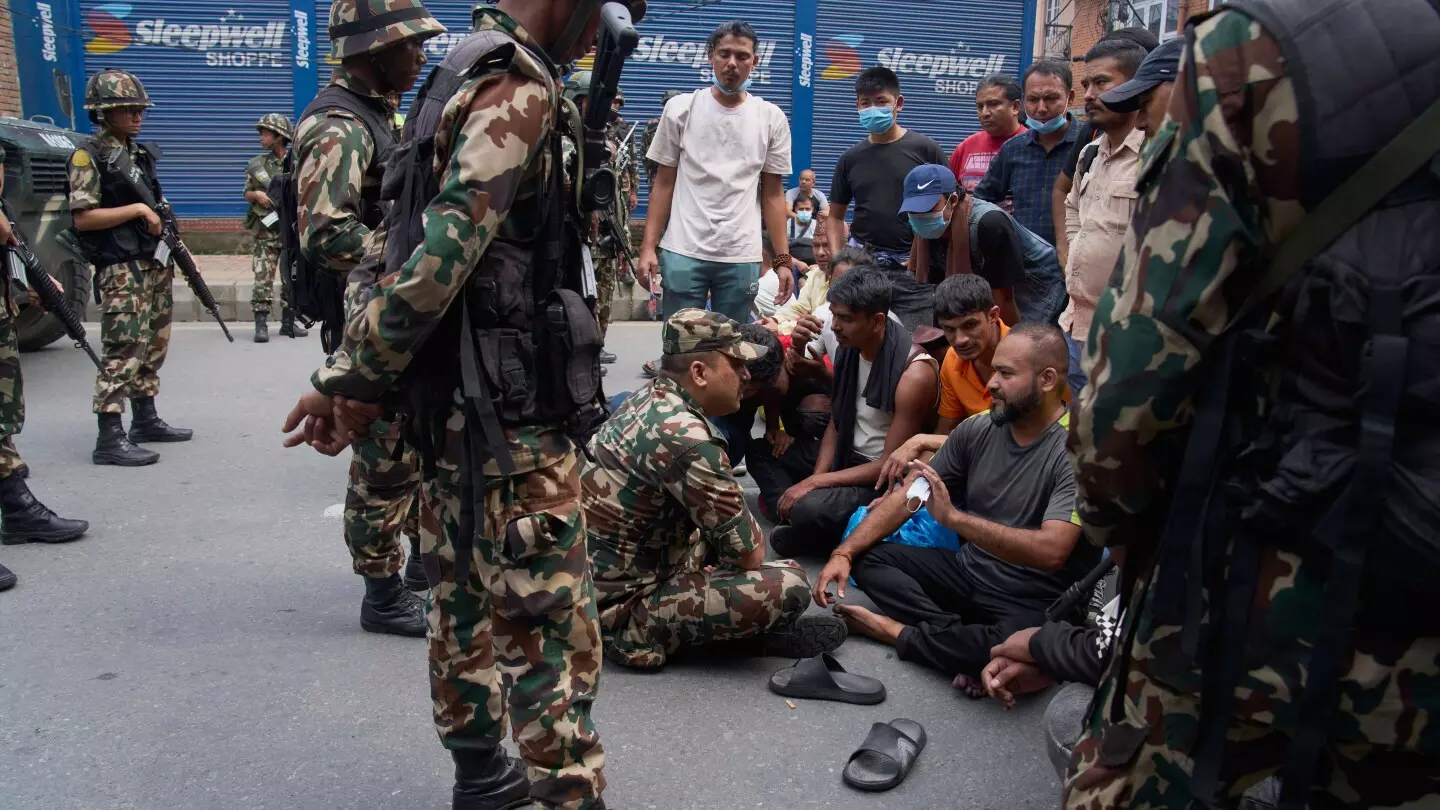
Kathmandu : Nepal has deployed it Army to maintain security as the Himalayan nation heads for the parliamentary election which is just a month away. The parliamentary election after the Gen-Z protest of September is scheduled for March 5.
As per the government officials and Army personnel the decision comes in wake of the September's Gen-Z protest and higher number of polling stations deemed sensitive in comparison to the previous elections.
As per the Nepal Army spokesperson, a total of 79,727 personnel are to be mobilized across the nation as support for the Nepal Police, Armed Police Force, and election police in holding the polls peacefully.
"The deployment comes in line with the Integrated Election Security Plan and an earlier Cabinet decision. Army personnel has been deployed for the election security and will remain in place until the procedure completes," Rajaram Basnet, Spokesperson of Nepal Army told ANI over phone.
As per the Integrated Election Security Plan endorsed by the president in November, the army will replace police forces in airports, prisons, and other sensitive areas. Apart from guarding those sensitive areas, the army will provide security in the third layer while also patrolling as and when needed.
As many as 338,000 security personnel, including the election police, are being deployed in the election period. The authorities have classified 3,680 of the country's 10,967 polling stations as "highly sensitive".
According to the Nepal Police, among those polling stations, 2,845 have been placed in the "normal" category based on the level of security risk, while 4,442 have been designated as "sensitive" and 3,680 as "highly sensitive".
There are more highly sensitive stations than in the 2022 election, according to Nepal Police data. In the previous election, 3,412 polling stations were classified as highly sensitive. This time, the number has risen to 3,680. In total, 268 more polling stations, compared to the last election, have been classified under the highly sensitive stations.
In the previous election, there were a total of 10,892 polling stations. This time, the number has increased to 10,967.
