What Is Trump's Birthright Citizenship Order, Why Is It Sparking a Legal Battle?

Though the executive order is not currently in effect, the legal fight over birthright citizenship is far from over
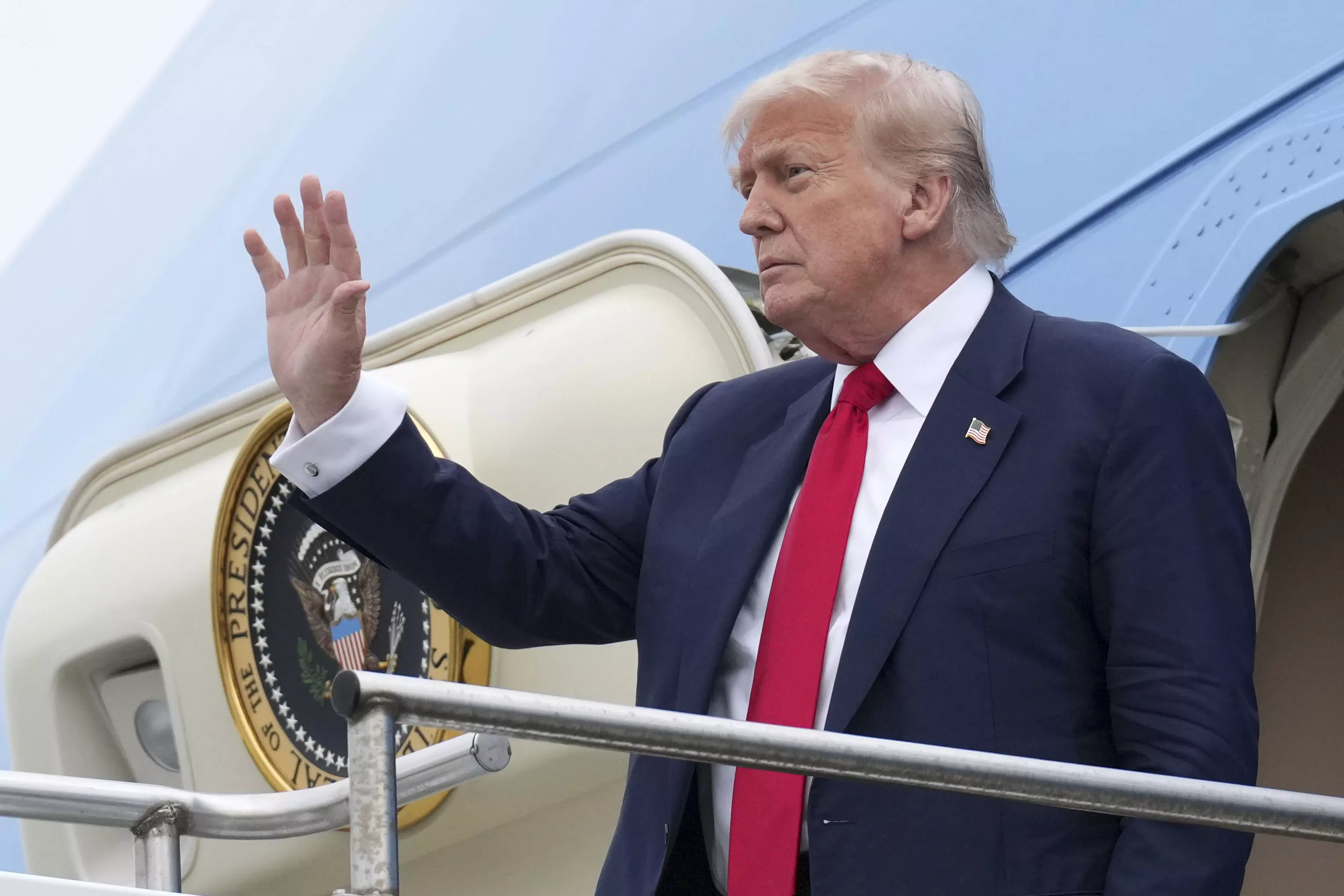
The executive order aimed at ending birthright citizenship, is one of the major decisions taken by US President Donald, during his initial days in office. The order aimed at ending automatic citizenship rights for nearly anyone born on US territory, has been an important policy change promised by the Republican president. However, the order received widespread criticism from many corners, including legal scholars, who argue that the president lacks the power to unilaterally change the law, which is based on the US Constitution.
In a latest development, a federal judge on Friday blocked the Trump administration from ending birthright citizenship. Though courts are passing orders against the Trump order, the proposed policy change has created a lot of confusion and fear, especially among immigrant communities.
Background
The order signed by Trump, on his first day in office, proposes to deny citizenship to babies born after February 19, 2025, if their mother is either undocumented or holds temporary legal status and the father is neither a U.S. citizen nor a green card holder.
Since the order challenges the 14th Amendment of the US Constitution, its implementation is not easy and faced with legal challenges and nationwide injunctions. However, the future of the policy change still remains uncertain. According to the the 14th Amendment of the US Constitution “all persons born or naturalized in the United States, and subject to the jurisdiction thereof,” are citizens. This principle was reaffirmed in the 1898 Supreme Court case United States v. Wong Kim Ark, which held that children born to immigrants in the U.S. are entitled to citizenship.
Several federal judges have blocked the order from being implemented. The latest by U.S. District Judge Leo Sorokin on July 25.
The other orders issued against ending the proposed policy change are:
A Federal judge in New Hampshire halted the order on July 10 and certified a class-action lawsuit on behalf of impacted children, citing "irreparable harm."
On July 23, a panel of judges on the U.S. Court of Appeals for the 9th Circuit upheld the injunction saying that the executive order contradicts the 14th Amendment and upheld the injunction.
However, the Supreme Court has not yet ruled on the constitutionality of the executive order itself, and the White House expects the Supreme Court will decide on the constitutionality of the order by October 2025. On June 27, the Supreme Court made a partial ruling regarding Trump's executive order by limiting judges’ ability to block unlawful policies nationwide.
Potential impacts of the birthright citizenship order
If the order is implemented, the impact on American society, especially immigrant communities will be far-reaching with
Up to 255,000 children per year could be denied citizenship.
Many could be rendered stateless, with no legal nationality.
It would lead to chaos in federal and state systems that issue Social Security cards, passports, and access to public services.
Currently, many schools in the United States have already responded with new policies, which has created confusion among families.
Though the executive order is not currently in effect, the legal fight over birthright citizenship is far from over. Legal experts warn of potentially devastating consequences if the order is ultimately upheld.
