Trump Dismisses Concerns Over US Missile Stockpiles Amid Iran War

The White House has declined to release updated figures on Patriot and THAAD missile usage, arguing that doing so would pose a national security risk
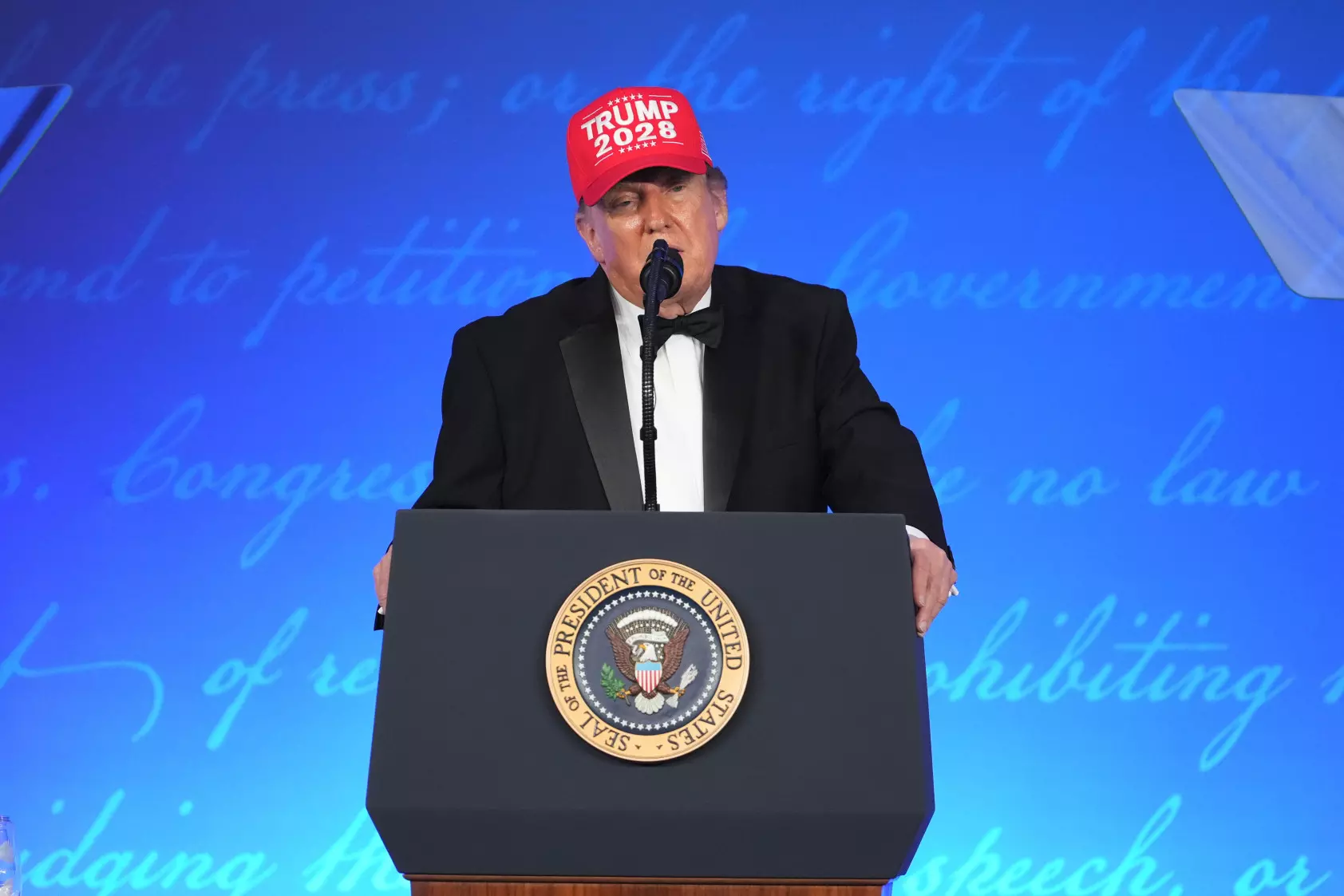
Washington, DC: US President Donald Trump has dismissed concerns that American military stockpiles are running dangerously low, rejecting reports that interceptor shortages are limiting US military options in the ongoing conflict with Iran.
Speaking to The Wall Street Journal, Trump said the US has "far more munitions than anyone in the world, and far more than we need," contradicting reports that dwindling missile inventories have become a growing concern within the Pentagon.
His remarks came after The New York Times reported that Joint Chiefs of Staff Chairman General Dan Caine had warned internally that Patriot interceptor stocks could be severely depleted if military operations against Iran were expanded.
According to The Wall Street Journal, US Central Command chief Adm. Brad Cooper believes current interceptor inventories can support existing operations. The strategy reportedly involves expanding US strikes—pending Trump's approval—to reduce Iran's missile-launch capabilities before it can carry out large-scale attacks.
The White House has declined to release updated figures on Patriot and THAAD missile usage, arguing that doing so would pose a national security risk.
However, analysts at the Centre for Strategic and International Studies estimated that the US has fired at least 1,500 Patriot interceptors since the conflict began, leaving fewer than 1,000 in reserve. They warned that depleted stockpiles present a near-term risk and that a conflict with a major military power such as China would consume munitions at an even faster rate.
White House Press Secretary Karoline Leavitt and Pentagon chief spokesman Sean Parnell maintained that the US military has all the resources needed to carry out any mission ordered by the President.
The concerns gained urgency after three US service members were killed in Jordan when an Iranian ballistic missile struck a housing area at a US base. While Secretary of State Marco Rubio said most incoming missiles were intercepted, officials told The Wall Street Journal that Iran has been adapting its missile tactics to evade air defence systems, forcing the US and its allies to use more interceptors.
The report also noted that Gulf allies are facing similar challenges after expending significant portions of their own air defence missile inventories.
Meanwhile, The New York Times reported that Trump has shelved plans for a broader military escalation against Iran following warnings from defence officials that expanding the campaign could dangerously strain US air defence stockpiles in the Middle East.
According to the report, General Caine privately advised that while a larger offensive remained militarily feasible, it would significantly deplete interceptor supplies assigned to US Central Command.
In a possible sign of easing hostilities, Iran reported no overnight bombardment on Saturday, marking the first pause after 13 consecutive nights of American military strikes.