Hegseth Broker Eyed Defence Fund Before Iran Strikes

BlackRock's USD 3.2 billion equity fund focuses on companies likely to benefit from increased government spending on defence and security amid geopolitical tensions
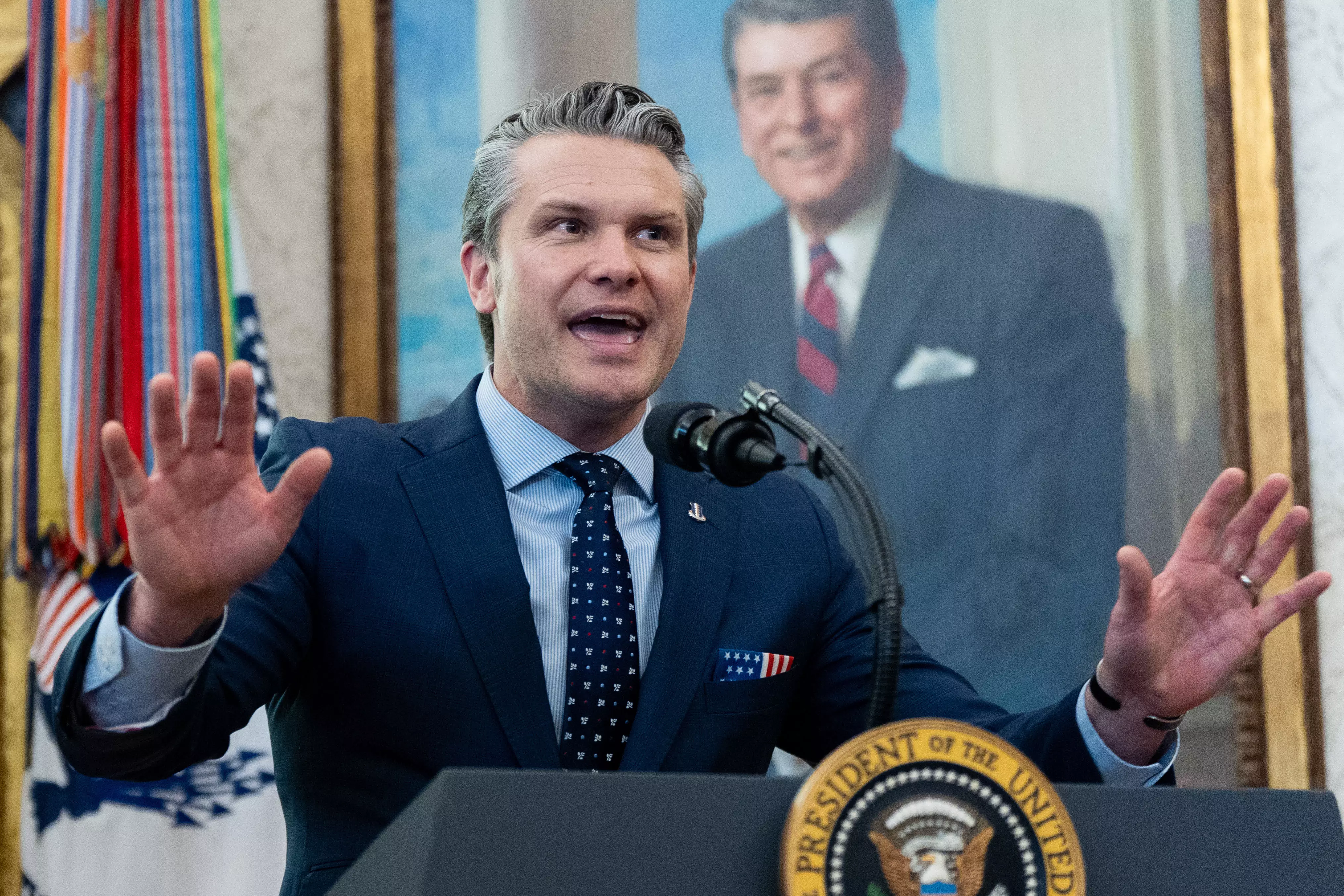
Washington DC: A broker representing US Secretary of War Pete Hegseth sought to invest in a major US defence-focused fund in the weeks leading up to the US-Israeli military action against Iran, the Financial Times reported, citing sources familiar with the matter, as quoted by Reuters.
According to Reuters, citing the Financial Times report, which referenced three people familiar with the discussions, the broker, working with Morgan Stanley, contacted BlackRock in February regarding a potential multimillion-dollar investment in the Defence Industrials Active ETF (IDEF). The inquiry was flagged internally at BlackRock, the sources added.
BlackRock's USD 3.2 billion equity fund focuses on companies likely to benefit from increased government spending on defence and security amid geopolitical tensions, the Financial Times report mentioned.
Its top holdings include defence giants RTX, Lockheed Martin, and Northrop Grumman, as well as data analytics firm Palantir, all of which have close ties to the US Department of War.
The proposed investment did not proceed, as the ETF, which launched in May 2025, was not yet available for purchase through Morgan Stanley at that time, Reuters quoted, as reported by The Financial Times.
It remains unclear whether Hegseth's broker later invested in another defence-focused fund.
ETFs like IDEF are popular with investors due to lower fees, favourable tax treatment, and the ability to trade them like stocks, but broking platforms often carry only a subset of the more than 14,000 ETFs in the market, The Financial Times reported.
As the Secretary of War, Hegseth has consistently touted and showcased America's military capabilities following its military action against the Islamic Republic in West Asia.
Meanwhile, diplomatic engagements between Washington and Tehran continue amid the conflict, following US-Israel joint military strikes on Iran on February 28, which led to the death of 86-year-old Iran's Supreme Leader, Ayatollah Ali Khamenei. In retaliation, Tehran targeted Israel and US assets in several Gulf countries, causing disruption in waterways and affecting international energy markets and global economic stability.lify it.
