US Eyes Releasing Frozen Iranian Funds Through Qatar: Report

The proposed move is part of the recently signed peace agreement between Washington and Tehran
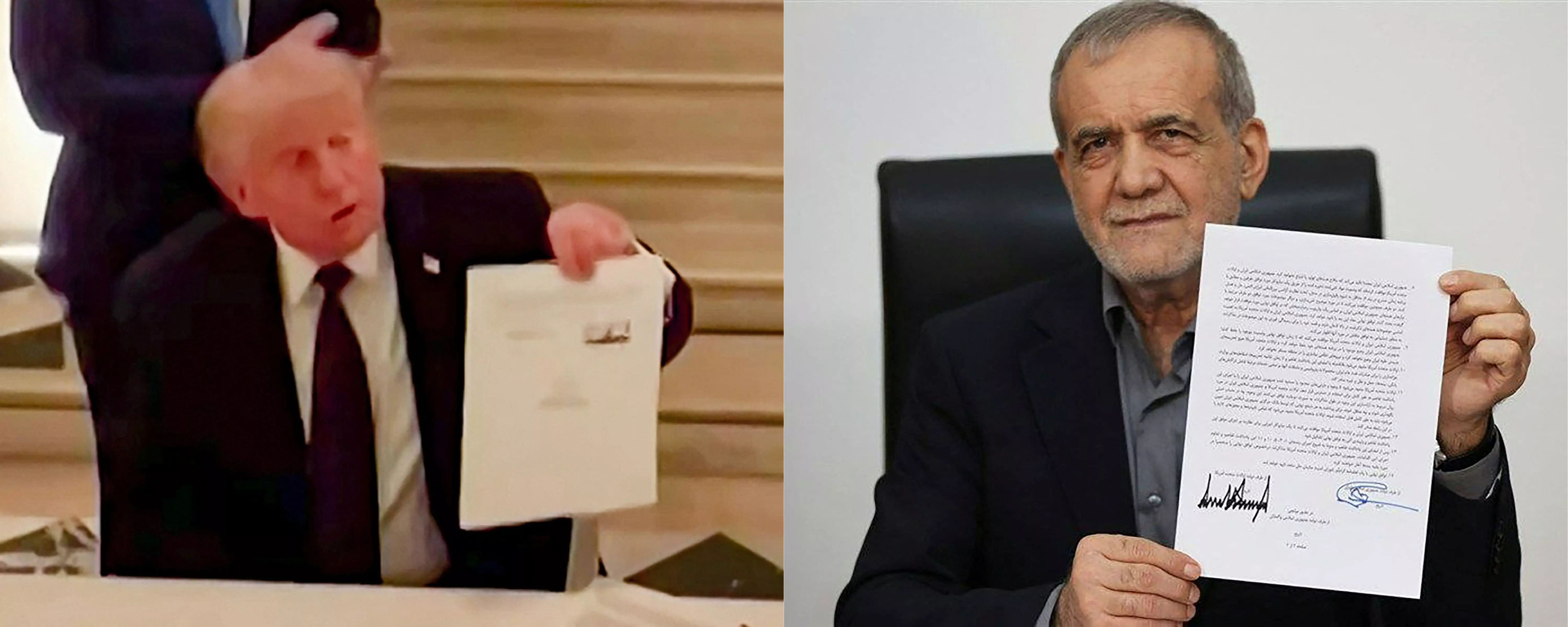
Washington DC: The United States is exploring a plan with Qatar to release billions of dollars in frozen Iranian funds for humanitarian purposes, according to a report by The Wall Street Journal citing people familiar with the matter.
The proposed move is part of the recently signed peace agreement between Washington and Tehran. While details are still being finalized, the plan would allow Iran access to a portion of its estimated USD 100 billion in frozen assets worldwide, beginning with USD 6 billion currently held in Qatar.
Under the arrangement, Qatar would use the funds to purchase humanitarian goods such as food and medicines ordered by Iran’s central bank. The money originates from Iranian oil revenues that have remained frozen overseas due to sanctions.
The development comes as Qatar continues to support dialogue between the United States and Iran to resolve outstanding issues through peaceful means. Technical talks between the two sides, initially planned in Switzerland, were postponed following the signing of a memorandum of understanding (MoU) aimed at ending hostilities in West Asia.
Qatar’s support for renewed negotiations was reaffirmed during a meeting between Prime Minister and Foreign Minister Sheikh Mohammed bin Abdulrahman bin Jassim Al Thani and Swiss Foreign Minister Ignazio Cassis at the Burgenstock Resort in Switzerland on Friday.
On Thursday, the Swiss Foreign Ministry confirmed that planned talks involving the US, Iran, Qatar, and Pakistan had been postponed but said Switzerland remains prepared to facilitate future discussions.
“The planned talks between the US, Iran, Qatar and Pakistan have been postponed. Switzerland remains ready to facilitate these talks. The relevant preparatory work at Burgenstock is continuing,” the ministry said.
The 14-point MoU between the US and Iran calls for an immediate and permanent end to military operations, including in Lebanon, and sets a goal of reaching a final agreement within 60 days, with the option of an extension by mutual consent.
The agreement also provides for the easing of maritime restrictions by the US, safe passage for commercial vessels through the Strait of Hormuz by Iran, and technical discussions on Tehran’s nuclear programme.
In addition, the MoU outlines plans for phased sanctions relief, the release of frozen Iranian assets, waivers for Iranian oil exports, and a US-backed reconstruction and economic development programme for Iran.