Trump, Iran Threaten To Escalate War With Attacks On Energy, Water Facilities

Striking major Iranian power plants could trigger blackouts, crippling everything from pumps and refineries to export terminals and military command centres
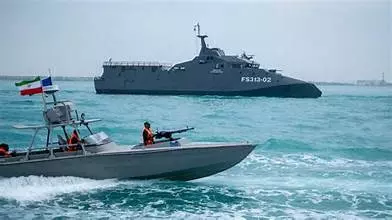
Tel Aviv, Jerusalem, Washington: US President Donald Trump and Iran threatened to escalate their war by attacking energy and desalination facilities in the Gulf. "If Iran doesn't FULLY OPEN, WITHOUT THREAT, the Strait of Hormuz, within 48 HOURS from this exact point in time, the United States of America will hit and obliterate their various POWER PLANTS, STARTING WITH THE BIGGEST ONE FIRST!" Trump posted on social media on Saturday.
Striking major Iranian power plants could trigger blackouts, crippling everything from pumps and refineries to export terminals and military command centres.
Reacting to the threat, Iran’s Revolutionary Guards warned in a statement that it will completely shut the strategic Strait of Hormuz if Trump executes the threats. They also said companies with US shares will be 'completely destroyed', if Iranian energy facilities were targeted by Washington and energy facilities in countries that host US bases will be 'lawful' targets.
Iran's Parliament Speaker Mohammad Baqer Qalibaf wrote on X that critical infrastructure and energy facilities in the Middle East could be "irreversibly destroyed" should Iranian power plants be attacked.
The Israeli military said hours later that it was striking Tehran in response. Israel said it had instructed the military to accelerate the demolition of Lebanese homes in "frontline villages" to end threats to Israeli communities, and to destroy all bridges over Lebanon's Litani River which it said were used for "terrorist activity".
Meanwhile, Iran’s strikes on Israel appear to be intensifying as the conflict in the Middle East enters its fourth week, leaving dozens of people injured and causing damage and disruption across the country.
Two ballistic missiles evaded Israeli air defenses late Saturday and hit the southern cities of Arad and Dimona. About 115 people were hurt, 11 of them seriously, according to authorities.
Israel’s military said it’s investigating the failure to intercept the attacks, while rescue crews continue to search for those trapped inside buildings.
Prime Minister Benjamin Netanyahu described the events as a “very difficult evening in the fight for our future.”
Dimona in southern Israel is a particularly sensitive site because the country’s main nuclear facility lies on its outskirts, albeit several miles from the impact of the strike. Iran’s Tasnim news agency said the hit was retaliation for an attack on its Natanz nuclear compound.
The Strait of Hormuz remains open to all shipping except vessels linked to "Iran's enemies", the country's representative to the International Maritime Organisation was quoted as saying in Iranian media reports published on Sunday.
Ship-tracking data shows some vessels, such as Indian-flagged ships and a Pakistani oil tanker, have negotiated safe passage through the strait. US Treasury Secretary Scott Bessent said US-Israeli attacks on Iran are aimed at destroying its fortifications along the Strait of Hormuz. Trump will “take whatever steps it takes” to achieve stated US goals including destroying Iran’s air force and navy, denying it the ability to have nuclear weapons and “their ability to project power internationally,” Bessent said Sunday on NBC’s Meet the Press. “Let’s just pick 50 days of temporary elevated prices,” Bessent told NBC. “Prices will come off on the other side for 50 years of not having an Iranian regime with a nuclear weapon.” Asked about the timeline for oil prices to recede, he clarified that “I don’t know whether it’s going to be 50 days. I don’t know whether it’s going to be a hundred days.”
— Agencies
