Pentagon Prepares Land Invasion Strategy for Iran: Report

Senior military commanders have reportedly submitted specific requests to ensure preparedness
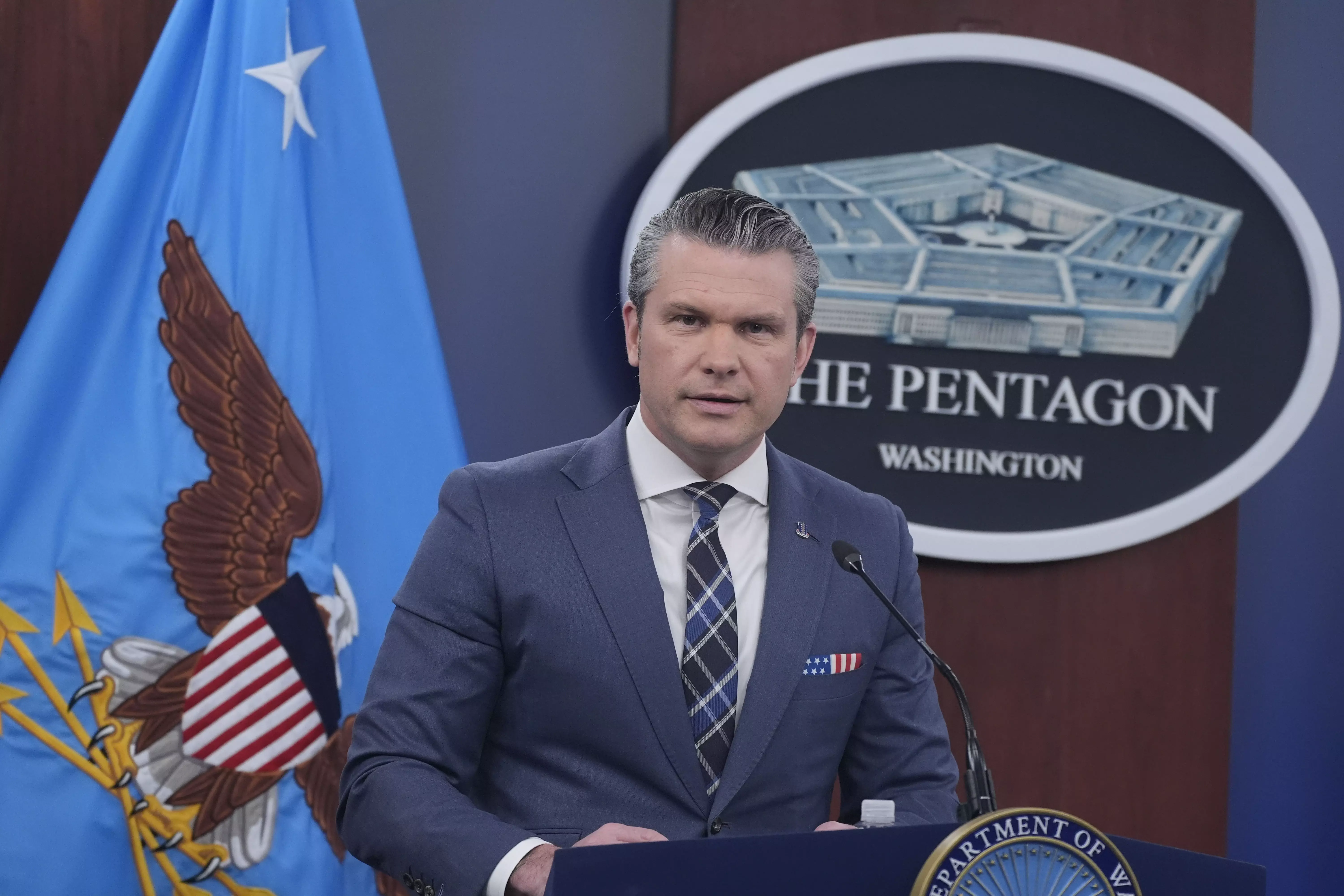
Washington, DC: The Pentagon has developed comprehensive strategies for the potential deployment of United States ground troops into Iran, according to sources familiar with the matter who spoke to CBS News.
Senior military commanders have reportedly submitted specific requests to ensure preparedness, as US President Donald Trump considers further actions in the ongoing conflict involving the United States and Israel. However, Trump has not yet defined the exact conditions under which he would authorize the use of ground forces.
The discussions remain confidential, with officials speaking on condition of anonymity due to the sensitive nature of the planning.
When asked about deploying ground troops during a press interaction in the Oval Office on Thursday, Trump said, “No, I'm not putting troops anywhere,” but added, “If I were, I certainly wouldn't tell you.”
White House Press Secretary Karoline Leavitt stated that the Pentagon’s role is to provide the President with “maximum optionality” during crises. She clarified that such preparations do not signal a final decision and reiterated that the President is not currently planning to send ground troops.
According to CBS News, military officials have also held meetings to plan logistics for capturing and detaining Iranian personnel and paramilitary members in the event of an invasion. These plans include identifying locations for processing and holding detainees.
The United States is preparing elements of the 82nd Airborne Division for potential deployment, along with a Marine Expeditionary Unit and the Army’s Global Response Force.
Thousands of Marines are already being moved toward the Middle East. Three naval vessels carrying around 2,200 Marines recently departed from California, marking the second such deployment since the conflict began. Another unit, previously redirected from the Pacific region, is still en route.
These developments reflect the Pentagon’s efforts to expand military options and maintain a high level of readiness as tensions continue in the region.
