Iran Now has Powers to Shut Hormuz at Will: US Intel Report

Iran has learned to leverage attacks on Gulf countries' energy infrastructure and demonstrated its ability to target US military bases in neighbouring nations
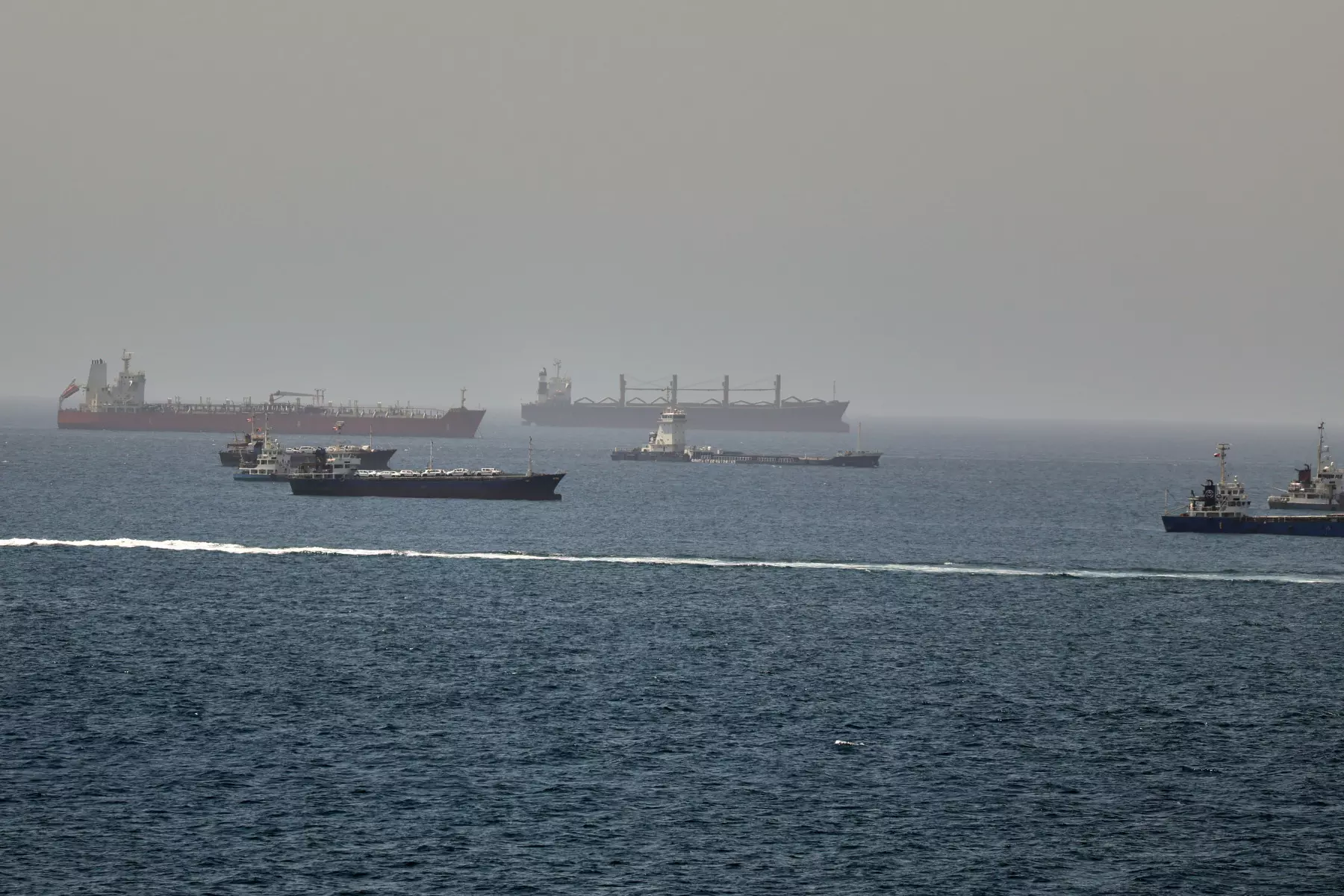
Washington DC: US intelligence agencies have assessed that Iran has acquired the ability to shut the Strait of Hormuz at will following the recent conflict, according to sources cited by CNN.
The assessment reportedly indicates that Iran's capacity to disrupt the global economy through the strategically important waterway could remain a major concern even after the framework agreement between Washington and Tehran is signed on Friday.
Sources familiar with the assessment told CNN that Iran has learned to leverage attacks on Gulf countries' energy infrastructure and demonstrated its ability to target US military bases in neighbouring nations.
"We have now handed Iran de facto control over the strait — a weapon more powerful than any nuke," one source familiar with the intelligence assessment told CNN.
The report said the United States had to engage in intensive negotiations with Iran to ensure the full reopening of the Strait of Hormuz, highlighting Tehran's continuing leverage in the region.
Speaking about the proposed agreement, US Vice President JD Vance said the deal would ensure that Iran does not obtain a nuclear weapon and that the Strait of Hormuz remains open.
"It says, one, Iran can't have a nuclear weapon, two, the Strait of Hormuz is open, and number three, there are all of these benefits contemplated that the Iranians can get if they behave. If they don't behave, they don't get anything," Vance said, without elaborating on the benefits.
According to shipping industry officials and experts who track vessel movements, uncertainty surrounding the contents of the agreement and broader regional risks could continue to limit traffic through the Strait of Hormuz for weeks or even months.
Meanwhile, US President Donald Trump said on Tuesday that he plans to publicly release the text of the agreement with Iran within the next few days.
"I'd like to get a formal setting first before we do that, but I have no problem with that. It's a great document," Trump said during a meeting with UAE President Mohamed bin Zayed Al Nahyan on the sidelines of the G7 summit in France.
Describing the core provision of the agreement, Trump said, "Here's what it says: Iran will never have a nuclear weapon."
Although Trump electronically signed the agreement on Sunday, the full text has not yet been made public. According to reports, neither members of Congress nor other world leaders have seen the complete document.