As West Asia Crisis Deepens, WHO Says, 'Public Health Risks are Soaring'

Calling for urgent action, the WHO urged all parties involved in the conflict to protect civilians and healthcare services
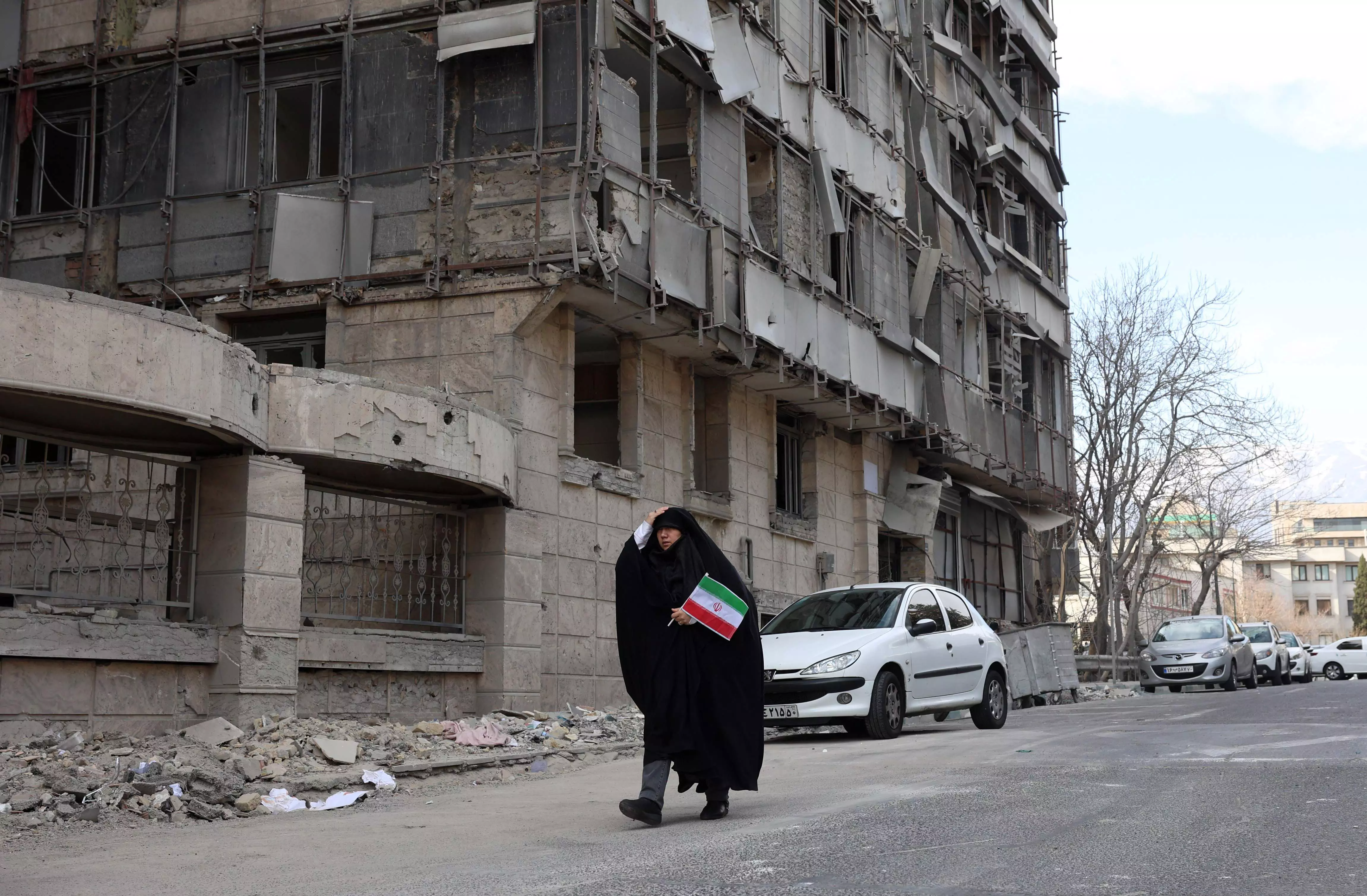
New York: World Health Organization Director-General Tedros Adhanom Ghebreyesus has warned that health systems across the Middle East are under severe strain as the conflict in the region enters its 13th day.
In a post on X, Tedros said the ongoing escalation has caused heavy casualties and intensified pressure on already fragile health infrastructure.
“More than ten days into the recent escalation of conflict in the Middle East, health systems are under immense strain. Reports indicate over 1,300 deaths and 9,000 injuries in Iran, at least 570 deaths and over 1,400 injuries in Lebanon, and 15 deaths with 2,142 injuries in Israel,” he said.
Tedros added that attacks on healthcare facilities were increasing. According to WHO verification, there have been 18 attacks on healthcare in Iran, 25 in Lebanon and two in Israel since February 28.
“These attacks not only claim lives but also deprive communities of critical care when they need it most,” he said.
He further warned that public health risks are rising rapidly as large numbers of people are displaced by the conflict.
According to the WHO chief, more than 100,000 people in Iran and up to 700,000 in Lebanon have been displaced, many facing deteriorating living conditions with limited access to clean water and sanitation.
Tedros said vulnerable groups, particularly women and children, face heightened risks of disease and health complications amid the worsening humanitarian situation.
The crisis has also led to the closure of several medical facilities. In Lebanon, 49 primary healthcare centres and five hospitals have shut down following evacuation orders.
Access to medical services has also become severely restricted in the occupied Palestinian territories and Gaza Strip.
Tedros said disruptions in medical supply chains caused by airspace restrictions are creating major backlogs in essential health supplies for more than 1.5 million people across 25 countries.
Calling for urgent action, the WHO urged all parties involved in the conflict to protect civilians and healthcare services.
“WHO calls on all parties to protect civilians and healthcare, ensure unimpeded humanitarian access, and work toward de-escalation. The urgency for action is critical to prevent the collapse of already fragile health systems and to support the recovery of impacted communities. Peace is the best medicine,” he said.
Meanwhile, the United Nations Security Council adopted a resolution condemning Iran’s “egregious attacks” against its regional neighbours amid rapidly escalating violence in the Middle East.
The 15-member council adopted Resolution 2817 (2026) with 13 votes in favour and none against, while China and the Russia abstained.
The resolution comes as the conflict, which began with joint airstrikes by Israel and the United States against Iran on February 28, approaches the two-week mark and has spread to several countries across the region.
Under the terms of the resolution, the council condemned “in the strongest terms” Iran’s attacks against Bahrain, Kuwait, Oman, Qatar, Saudi Arabia, the United Arab Emirates and Jordan, while reaffirming support for the sovereignty, territorial integrity and political independence of those nations.
