From Amenities to Aspirations: Inside Hyderabad’s Luxury Home Surge

A shift in mindset has birthed a new kind of housing—“resort-style living.” Cabana-style pools, lagoon-inspired landscapes, spa zones, hammams, gourmet restaurants, and co-working lounges are fast becoming part of the residential experience.
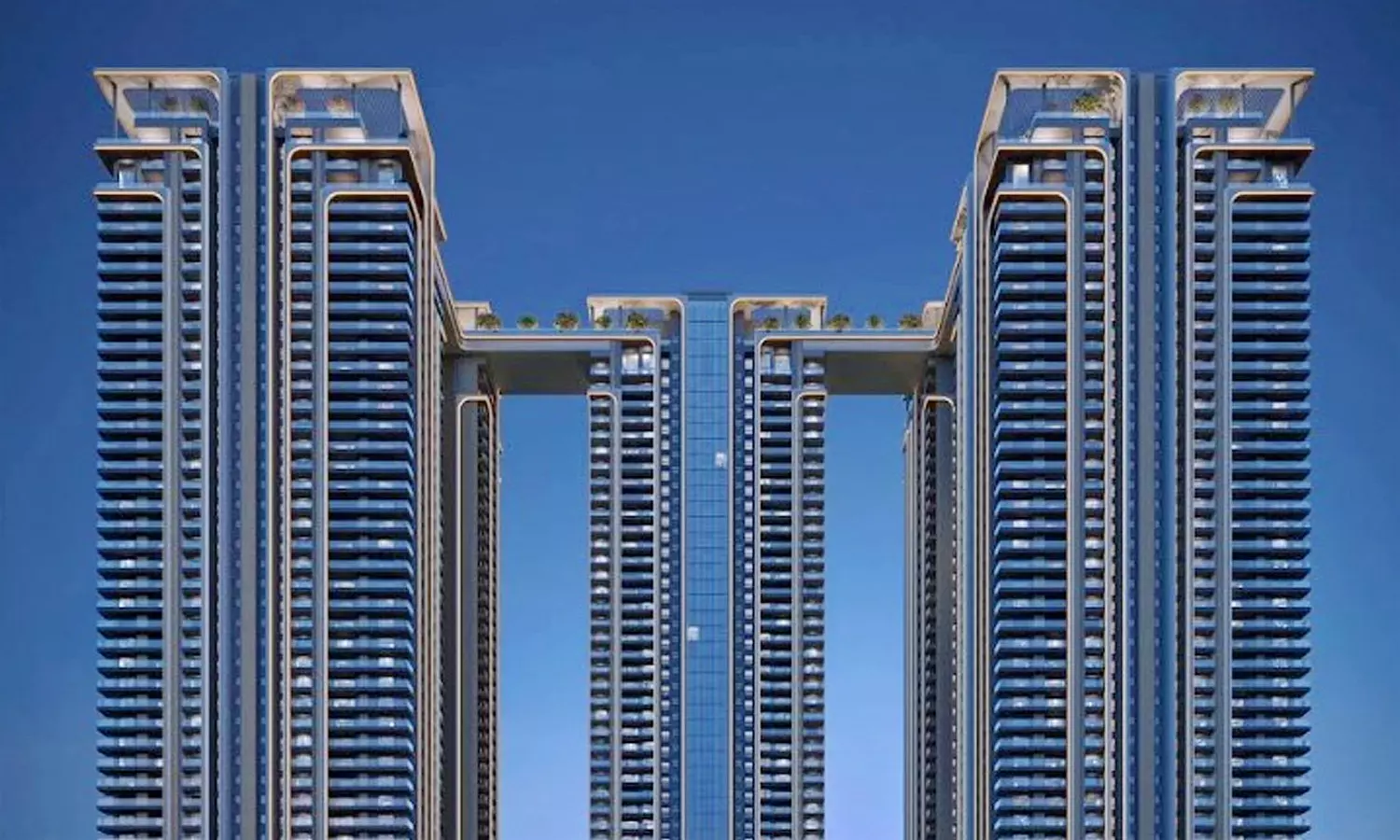
As Hyderabad continues to expand both in ambition and in skyline, one thing is clear—the future of real estate in South Indian cities is headed straight up. High-rises and luxury towers are no longer an anomaly in this part of the country; they are fast becoming the standard. “We believe the trend towards skyscrapers is here to stay,” says Sharat Ventrapragada, Designated Partner, GHR Lakshmi Urbanblocks Infra LLP (representing Urbanblocks Realty).
“There’s limited space in Hyderabad, land prices are rising rapidly, and only with a certain FSI per acre can you make these projects viable. That’s one of the reasons we are looking at going vertical.”
For Sharat, it isn’t just about economics or maximising returns—it’s also about aesthetics. “Just look at Manhattan or London. The skyline tells you a story of progress. It’s iconic. We feel Hyderabad deserves its own visual identity in the form of these high-rises.”
Urbanblocks Realty’s latest project—The Cascades Neopolis—is part of this evolution. Not content with simply building tall, the team wanted to build differently. Their approach? Bring in international architects with a strong portfolio of high-rises—firms that have already delivered 40 to 50-storey structures abroad. “Neopolis is an emerging location. The connectivity, the demand, the pricing—it all made sense. We didn’t want to follow traditional formats. We wanted something unique,” he says.
That uniqueness shines through in both design and detail. This isn’t luxury just by square footage. “A lot of builders talk about luxury when they mean homes that are 5,000 to 10,000 square feet. But what about a 2,560 or 4,800 square foot apartment that’s designed with as much care, with amenities that elevate daily living? That’s what we are trying to do—deliver genuine luxury at that sweet spot between aspiration and accessibility.”
Post-pandemic, the shift in buyer expectations has been dramatic. There’s a new appetite for space—not just inside homes, but around them. “People were stuck in houses with limited amenities for over two years. That’s when they realised the true value of what a luxury home should offer,” Sharat reflects. “If you had a gym at home, or wellness spaces, or even just open air to breathe—you were far more comfortable. That learning hasn’t gone away.”
That shift in mindset has birthed a new kind of housing—“resort-style living.” Cabana-style pools, lagoon-inspired landscapes, spa zones, hammams, gourmet restaurants, and co-working lounges are fast becoming part of the residential experience. “The idea is simple. People don’t have time to drive two hours to a luxury resort. So, why not bring that resort to them? Everything you need is in one place—why would you go anywhere else?” he asks.
But this resort-in-the-city approach doesn’t mean compromising on sustainability. “We follow IGBC norms. There’s a 100-point checklist to ensure you are building in an eco-sensitive way—everything from materials used to energy-saving designs are factored in.” With fuel and resource efficiency being the need of the hour, this push for green practices is no longer a niche concern; it’s a necessity.
And who are the buyers of such homes? “It’s a healthy mix,” says Sharat. “You have got aspirational buyers looking to upgrade their lifestyle, NRIs investing in high-quality living back home, HNIs looking for exclusive spaces—it’s not limited to one category anymore. The demand is real, and it’s across the board.”
The numbers reflect this rise. “Post-pandemic, the demand for luxury homes has jumped from 7% to nearly 26%. That’s a major shift in how people are choosing to live.”
Hyderabad’s transformation is well underway, and the city is redefining what urban living looks like in South India. Skyscrapers are more than just tall buildings—they are vertical communities, architectural landmarks, and lifestyle statements. With builders and developers realising this, the Hyderabad city skyline is set to get a lot more interesting.
