Amid a fresh spate of food poisoning cases in residential schools, health experts are warning that iron-deficient girls face greater vulnerability.
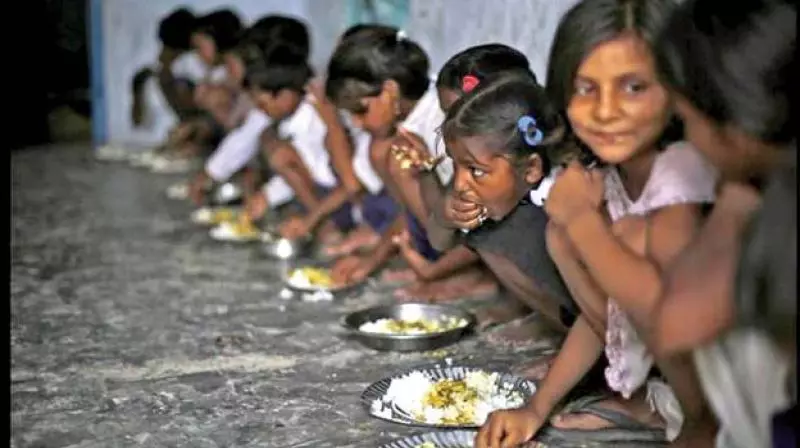
Hyderabad: In Telangana, a chronic health crisis has been persisting for years among women of all ages. As per the National Family Health Survey-5, nearly 58 per cent of women in the state are suffering from anaemia, with the condition disproportionately affecting rural adolescent girls and tribal communities.
Amid a fresh spate of food poisoning cases in residential schools, health experts are warning that iron-deficient girls face greater vulnerability. Not only are they more prone to infections, but their recovery is slower, further compromising health and school attendance.
Both national and state governments have been introducing key schemes to address the problem, the most recent one being 'Indiramma Amrutham', where the government has decided to distribute high-nutrition bars made from peanuts and millets to girls aged 14 to 18 in three districts identified as having the highest anaemia burden: Komaram Bheem Asifabad, Bhadradri-Kothagudem and Jayashankar Bhupalapally.
While the initiative has been welcomed, experts caution that the arrangement is a stopgap. “Supplements and fortified foods may temporarily improve iron levels, but they are not sustainable substitutes for dietary reform,” said Dr Y. Rajyalakshmi Devi, chief dietician and senior clinical nutritionist. She stressed that iron must be consumed consistently in small quantities across meals to have a lasting impact.
A balanced, iron-rich diet for adolescent girls, she said, should include green leafy vegetables like moringa, amaranth and spinach; pulses like rajma, chana and moong; millets such as ragi and bajra; and natural sources like jaggery, raisins, dates, black chana, sesame seeds and flaxseeds. For non-vegetarians, organ meats, fish and eggs are rich in heme iron.
“Simply eating iron is not enough,” Dr Rajyalakshmi noted. “Its absorption depends on dietary context. Vitamin C-rich foods like guava, lemon juice, raw mango and amla aid absorption, while tea, coffee and dairy hinder it if consumed during or right after meals,” she explained.
The recent school food poisoning episodes have further exposed anaemic girls to risk. Symptoms like vomiting and diarrhoea deplete existing iron reserves, while low haemoglobin levels delay tissue repair and suppress immune response.
Dr D. Ravi Sekhar Reddy, senior consultant physician and diabetologist, said iron deficiency has been associated with prolonged recovery from bacterial infections, especially gastrointestinal ones. Illness often leads to poor appetite, exacerbating iron loss.
Dr Rajyalakshmi advised that during infection, the focus should be on hydration through ORS, coconut water and light meals like moong dal broth or khichdi with greens. Iron-rich foods should be reintroduced gradually after recovery, with supplements only resumed three to five days later under medical supervision.
Anaemia in adolescent girls, she noted, is not caused by a single deficiency but is often rooted in childhood malnutrition. It worsens with the onset of menstruation and typically goes unnoticed until it affects daily functioning through fatigue, repeated infections or poor academic performance.
“Unless there is sustained nutritional support, regular deworming and screening, girls are likely to carry iron deficiency into adulthood,” said Dr Sowmya Bondalapati, senior consultant. “This increases maternal health risks and can affect future generations.”
While the Indiramma Amrutham scheme is a welcome move, public health experts emphasise that it must be integrated with school health programmes, midday meals and nutrition awareness campaigns. Parents, teachers and Anganwadi workers must be educated on iron-rich food planning at home. Schools should rework menus seasonally to include local, affordable ingredients—raw mango in summer, methi and sprouts during monsoon and sesame, jaggery or garden cress seeds in winter.
Doctors warn against measuring the scheme’s success merely by the number of bars distributed. “One nutrition bar a day may offer a buffer, but long-term change comes when iron-rich foods become staples, not supplements,” added Dr Rajyalakshmi.

